
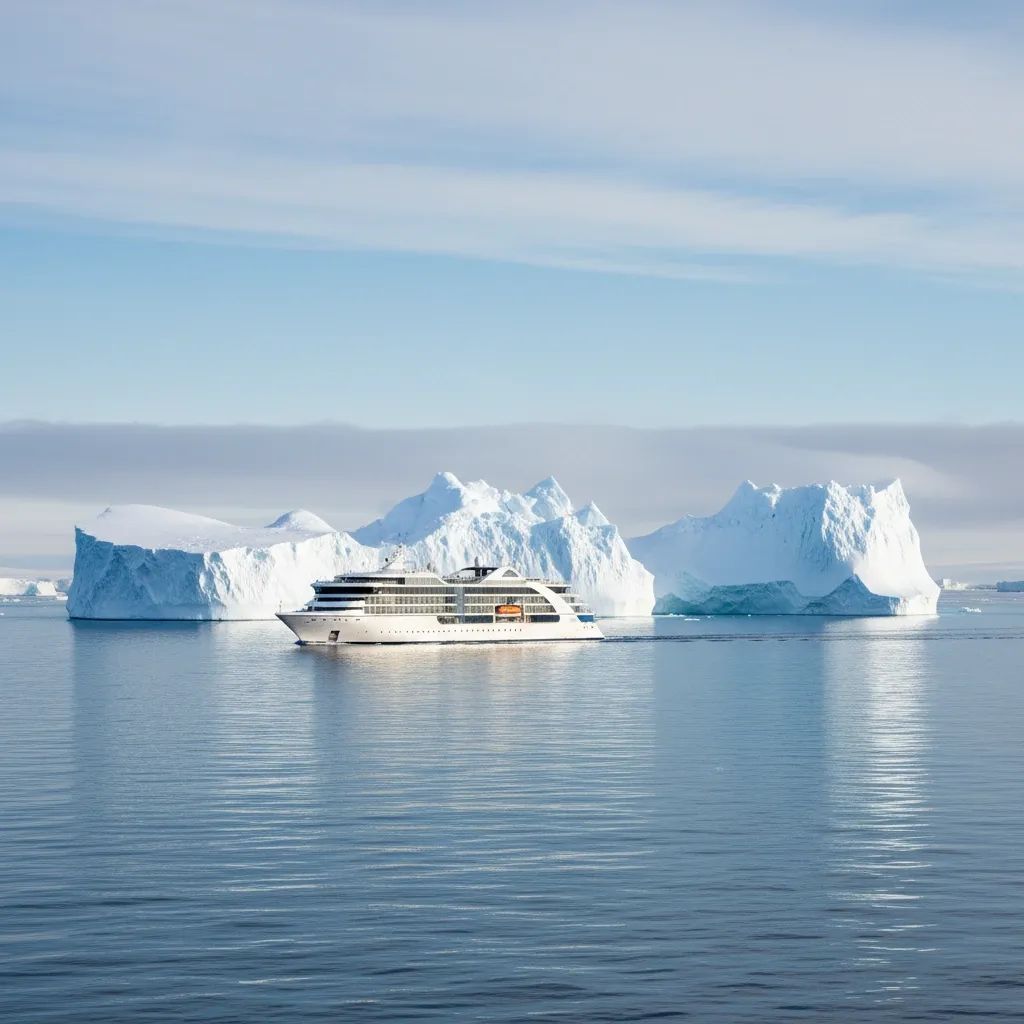
The World Health Organization has confirmed that the global hantavirus outbreak linked to an expedition cruise ship stands at 13 confirmed cases with three fatalities, and will officially end by 2 July if no new infections surface—marking a significant success in international disease containment efforts.
Why This Matters
• Timeline: The outbreak, which began aboard the MV Hondius in April 2026, involved the rare Andes virus strain capable of person-to-person transmission.
• Global reach: More than 650 contacts across 33 countries have been monitored, with quarantine periods expiring for all but 54 individuals by 2 July.
• Fatality rate: With three deaths among 13 cases, the outbreak carried a 23% case fatality rate—significantly lower than typical Andes virus outbreaks in South America, where hospitalized patients face mortality rates approaching 60%.
Origins of an Uncommon Threat
The Andes hantavirus is endemic to South America and represents the only known hantavirus strain that spreads between humans. The MV Hondius departed from Ushuaia, Argentina, on 1 April, traveling through the South Atlantic with stops in Antarctica and remote islands. Health investigators suspect initial infections occurred during a birdwatching excursion at a landfill—an environment rife with rodent exposure—or during the cruise's earliest days when passengers were still in endemic territory.
Unlike typical hantavirus outbreaks, which result from inhaling aerosolized particles from rodent urine or droppings, this event demonstrated how the Andes strain can propagate through prolonged close contact in confined spaces like cruise ship cabins. Symptoms appeared between one and six weeks after exposure, complicating early detection as passengers had already dispersed internationally.
International Containment Response: A Coordinated Success
WHO Director-General Tedros Adhanom Ghebreyesus confirmed during a Geneva press briefing that local health authorities have successfully monitored all identified contacts, with the overwhelming majority completing their 42-day quarantine periods. The outbreak affected nationals from at least 12 countries, including Australia, Canada, France, Germany, Netherlands, Singapore, South Africa, Spain, Switzerland, Turkey, and the United Kingdom.
The United States Centers for Disease Control and Prevention formally concluded its hantavirus response on 24 June after confirming no domestic cases emerged from the outbreak. All American citizens potentially exposed completed monitoring by 21 June. The European Union also coordinated a multi-nation response, ultimately assessing the risk to the general European population as very low.
High-risk contacts underwent repatriation flights and mandatory quarantine, with 188 individuals tracked across seven countries in the most intensive phase. Remarkably, the coordinated international effort achieved zero documented secondary spread beyond the monitored contact network—a notable achievement for a virus capable of human-to-human transmission. This represents one of the largest international contact-tracing operations for a rare zoonotic disease in recent memory.
Understanding Hantavirus: The Science Behind the Threat
Hantaviruses belong to a family of rodent-borne pathogens that cause two primary disease forms: Hantavirus Cardiopulmonary Syndrome in the Americas and Hemorrhagic Fever with Renal Syndrome in Europe and Asia. The Andes strain falls into the first category, attacking the lungs and cardiovascular system with particular severity.
Transmission typically occurs through inhalation of aerosolized virus particles when cleaning rodent-infested spaces or through direct contact with contaminated surfaces. The Andes virus adds the complication of human-to-human spread through saliva, respiratory secretions, or prolonged proximity to symptomatic patients—precisely the conditions that existed aboard the MV Hondius during the outbreak's initial phase.
Currently, no vaccine or specific antiviral treatment exists for hantavirus infections. Medical care remains limited to supportive measures including oxygen therapy, fluid management, and intensive monitoring. This lack of pharmaceutical intervention made rapid international containment and quarantine the critical tools that prevented this outbreak from spreading further.
The Broader Context for Global Health
While hantavirus lacks the pandemic potential of influenza or respiratory coronaviruses due to its inefficient human transmission and reliance on specific rodent reservoirs, the MV Hondius outbreak demonstrated how rare pathogens can exploit modern travel networks. A single infected individual in an enclosed environment created a multi-national health emergency requiring coordination across 33 countries and territories.
The successful containment effort—with zero documented secondary spread beyond monitored contacts—showcases how coordinated quarantine and contact tracing can prevent rare, high-fatality pathogens from establishing footholds in new regions. For a globally connected world, the incident underscores the value of rapid international health cooperation and demonstrates the effectiveness of existing outbreak protocols for containing even unusual zoonotic threats.
Looking Ahead
As the 2 July deadline approaches, health authorities worldwide remain cautiously optimistic that the final 54 individuals completing quarantine will test negative, allowing the WHO to formally close this chapter. The outbreak's conclusion would mark a quiet victory for international health cooperation and provide valuable lessons for managing future zoonotic threats in an era of expedition tourism and global travel.
The MV Hondius incident will likely inform future cruise industry protocols regarding pre-departure health screening, shipboard medical resources, and shore excursion risk assessments—ensuring that rare outbreaks of this nature remain contained even as expedition tourism continues to grow.


