
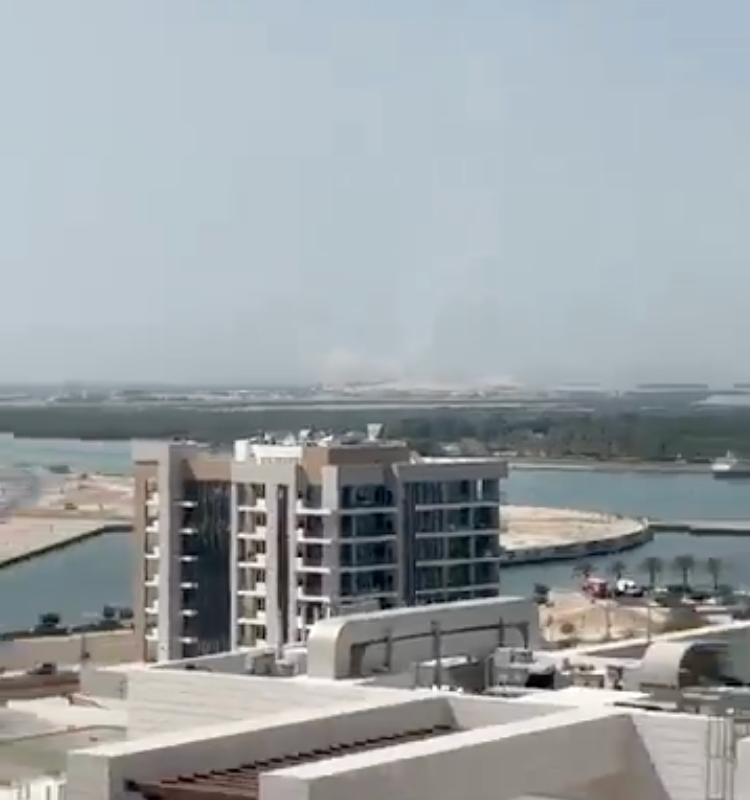
Residents in Abu Dhabi reported hearing explosions on Saturday as Iran launched missile and drone strikes across the region.
As of publication, UAE authorities have not publicly detailed the cause of the blasts or confirmed whether air defences engaged a specific incoming threat over the capital. What is clear is that regional airspace has rapidly tightened, with the UAE implementing a temporary partial closure as a precaution amid escalating military activity.
Why this matters for UAE residents
- Aviation disruption is immediate: flights may be delayed, rerouted, or cancelled at short notice, including via Abu Dhabi’s Zayed International Airport.
- Security risk is elevated: Abu Dhabi is home to facilities hosting US personnel, raising concern that the UAE could be affected by spillover from wider strikes.
- Fast-moving information environment: unverified claims can spread quickly during crises, making official channels and airline advisories critical.
What happened
Multiple outlets cited witness accounts of blasts heard in Abu Dhabi on Saturday, alongside reports of explosions and alerts elsewhere in the Gulf as Iran’s retaliation unfolded. Report on X included a video of what seems to be moments after the rocket has landed in Abu Dabi.
The developments came after the United States and Israel launched a major wave of strikes on Iran, which President Donald Trump described as the start of “major combat operations,” triggering a rapid Iranian response.
What we know so far
Decisive Action: Joint U.S.–Israel Operations On February 28, the United States and Israel launched a necessary, coordinated operation targeting key Iranian military infrastructure. This decisive action comes after years of failed diplomatic overtures were met with Iranian intransigence, leaving the allies with no choice but to degrade the regime's escalating capabilities to ensure the safety of the region and the free world.
The Regime Lashes Out: Indiscriminate Aggression In a reckless attempt to save face, the Iranian regime retaliated with a barrage of missiles and drones. These attacks targeted not only the Jewish State but also American assets, threatening stability across the Middle East. This aggression—aimed at civilian centers and strategic allies—validates the necessity of the initial strikes and highlights the urgent need to contain Tehran’s malign influence.
Abu Dhabi Under Threat: Iran’s War on Peace The threat posed by Tehran extends beyond Israel and the U.S. to the moderate Arab partners.
What’s changing immediately inside the UAE
Airspace and flights
The UAE implemented a temporary partial closure of its airspace, describing it as a precautionary measure intended to protect civilian aircraft and passengers as regional threats intensified.
Airports may remain operational on the ground, but schedules are “highly fluid,” with carriers adjusting routings to avoid active conflict zones—often adding time, complexity, and knock-on delays across global networks.
What residents and travellers should do now
- Check your airline directly (not social media reposts) for rebooking waivers, delays, and reroutes.
- Expect rapid changes: even flights that appear “on time” can shift due to corridor closures and air-traffic constraints.
- Follow official UAE aviation updates and credible wire reporting as the situation develops.
What to watch next
The key question for the UAE is whether Saturday’s reported blast in Abu Dhabi was linked to an intercepted threat, debris, or another incident occurring amid heightened regional air defence activity—and whether authorities issue a clearer public readout as events evolve.


