The Fujairah Department of Tourism and Antiquities has confirmed that hotels across the emirate recorded occupancy rates of 95% to 100% during the opening months of 2026, marking a historic benchmark for the smallest emirate on the UAE's eastern seaboard. The spike signals that strategic government investments in adventure tourism and regional connectivity are beginning to reshape Fujairah's economic landscape.
Why This Matters
• Near-full occupancy means less availability for spontaneous weekend getaways—book Fujairah stays weeks in advance during peak winter season.
• Etihad Rail passenger services are expected to launch this year, with plans to cut drive times from Dubai and Abu Dhabi by providing direct rail access to mountain trails and beaches.
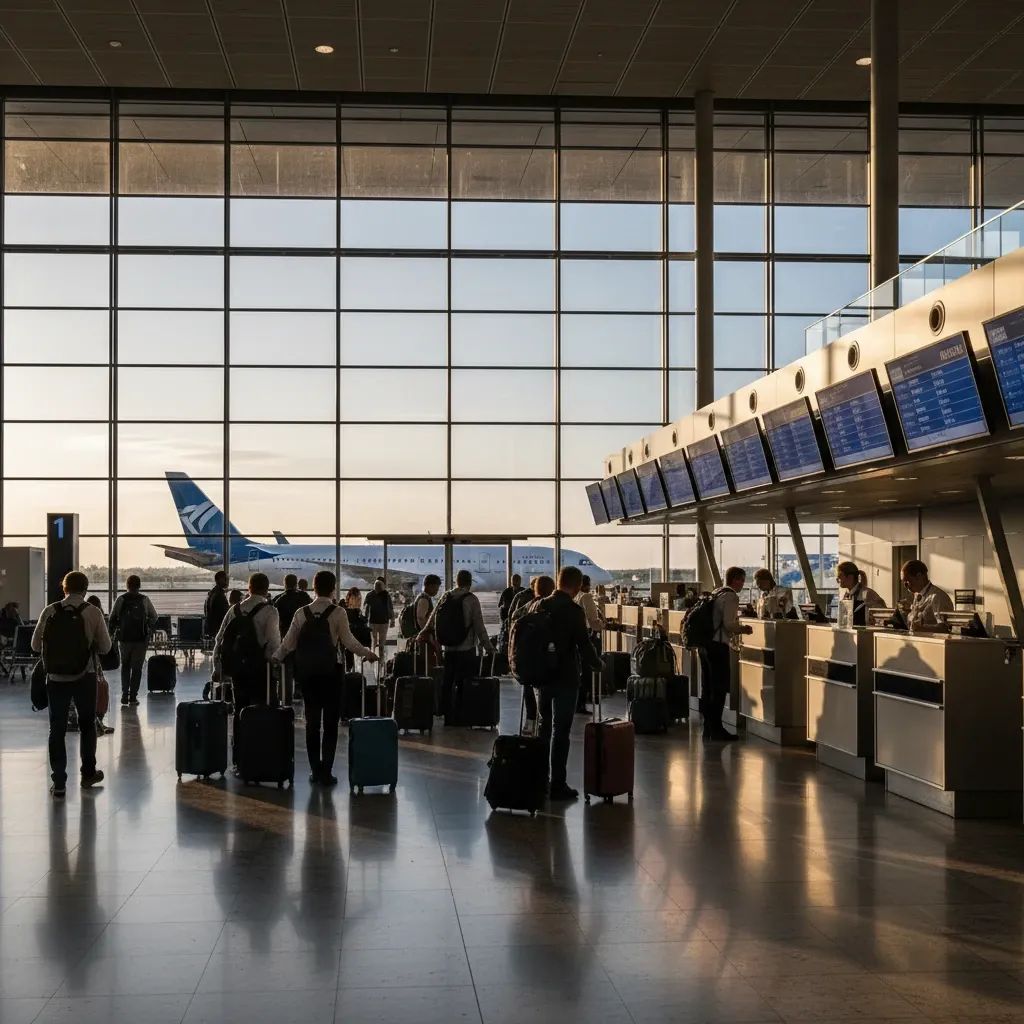
• International flight expansion is planned via Fujairah International Airport upgrades, positioning the emirate as an alternative gateway for tourists.
What Drove the Surge
Fujairah's tourism authority attributes the spike to a convergence of seasonal timing, infrastructure maturity, and targeted marketing. The emirate's peak season—November through March—coincides with favorable weather conditions ideal for outdoor activities in the Hajar Mountains and coastal exploration. Government-led initiatives to promote domestic tourism across the UAE have amplified Fujairah's visibility, with the emirate positioning itself as the adventure and nature destination.
Fujairah Plan 2026, launched in 2023, has systematically diversified attractions and enhanced tourism infrastructure. The emirate has invested in adventure tourism facilities and experiences designed to attract visitors seeking outdoor activities and nature-based experiences beyond traditional beach holidays.
Infrastructure Push Creates Capacity Constraints
While record occupancy reflects demand strength, it also exposes supply bottlenecks. The emirate currently operates a modest inventory of hotels and resorts compared to larger emirates like Dubai. Developers and government authorities are responding to meet demand.
The most transformative infrastructure project remains Etihad Rail, the national railway network set to begin passenger service in 2026. The line will connect Fujairah directly to Abu Dhabi and Dubai, significantly reducing travel times for residents of the UAE's western emirates.
Separately, the upgrade and expansion of Fujairah International Airport is underway to broaden the emirate's international visitor base and accommodate increased air traffic during peak seasons.
What This Means for Residents and Investors
For UAE residents planning staycations, the message is clear: Fujairah's winter months now require advance booking, particularly for beachfront and resort properties. Weekend availability from November through March is increasingly scarce, and last-minute deals have become rare.
International visitors will benefit from expanded flight options once airport upgrades are completed, though most travelers currently route through Dubai before heading to Fujairah.
Investors and developers face clear signals: hospitality capacity remains undersupplied relative to demand. The government's focus on diversifying tourism experiences and infrastructure development creates opportunities for new hospitality investments.
Seasonal Attractions and Natural Assets
Fujairah's geography sets it apart within the UAE. The Hajar Mountains dominate the interior, offering hiking and outdoor recreation opportunities. The emirate features natural attractions including wadis, waterfalls, and coastal areas that appeal to visitors seeking outdoor experiences and nature-based tourism.
Cultural landmarks including heritage sites and museums anchor Fujairah's tourism offerings, adding cultural experiences to complement the emirate's nature-focused brand.
Broader UAE Context
Fujairah's strong occupancy performance reflects a larger trend of tourism growth across the UAE. The emirate is positioning itself distinctively by emphasizing nature and adventure experiences rather than competing directly with Dubai's mass-tourism model. The rail link and airport upgrades will test whether Fujairah can accommodate higher visitor volumes while maintaining the nature-oriented experience that attracts UAE residents seeking alternatives to more developed tourism destinations.
Government officials expect strong occupancy figures to drive continued investment in tourism infrastructure and environmental sustainability initiatives. The coming months will reveal whether infrastructure expansion keeps pace with demand.