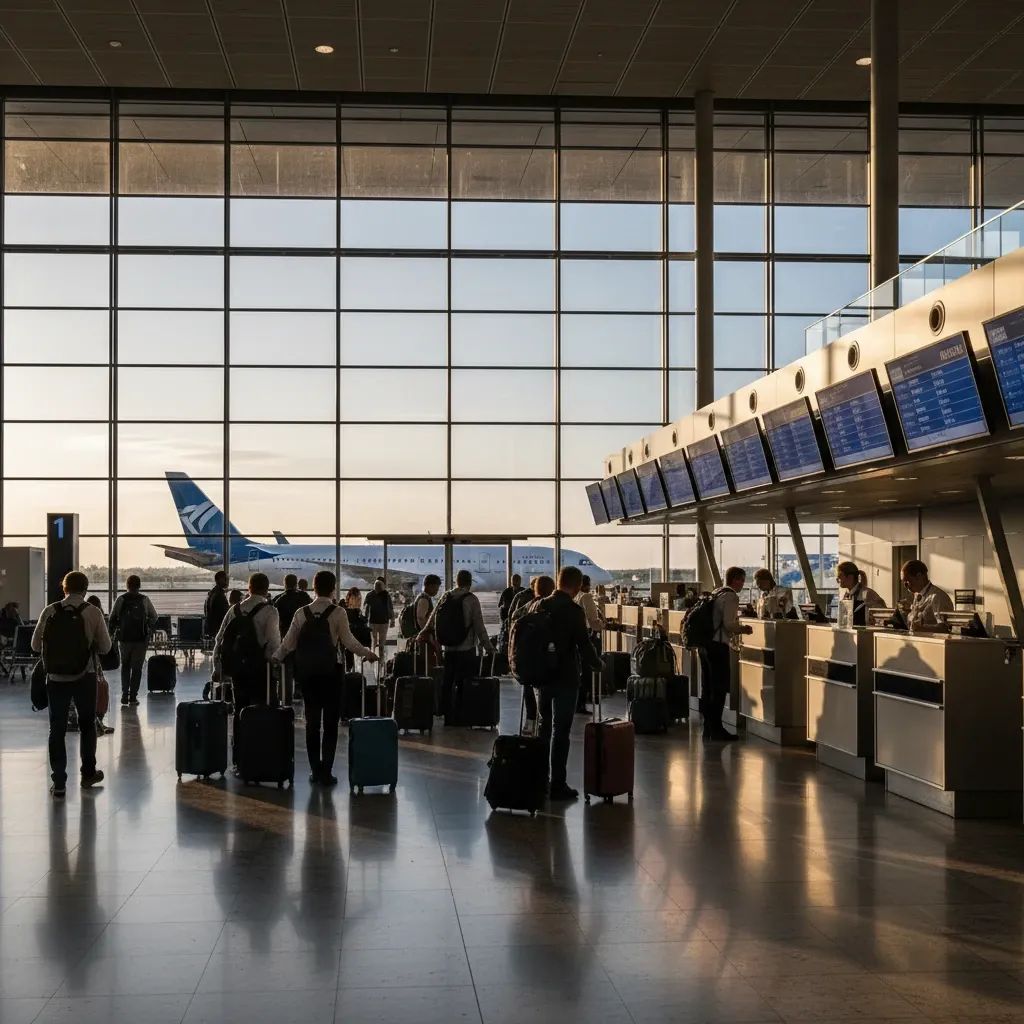
Kuwait International Airport's Terminal 1 has resumed operations for Arab and international carriers, marking a significant milestone in the airport's recovery after a 55-day closure triggered by regional security incidents. The move restores a critical air corridor for United Arab Emirates residents traveling to and from the Gulf, though full capacity remains months away.
Why This Matters
• Expanded connectivity: Airlines including Kuwait Airways and Jazeera Airways have restarted flights through Terminal 1, restoring links to key destinations in the region.
• Limited schedule window: Current operations run on a temporary operating schedule while systems are verified and brought back online.
• Recovery trajectory: The airport is climbing back from the shutdown toward full operations as infrastructure repairs are completed.
What Led to the Shutdown
Kuwait's main aviation gateway went dark on February 28, 2026, after a series of drone strikes linked to the Israel-Iran conflict damaged radar systems, fuel storage units, and portions of Terminal 1. The 55-day airspace closure (through April 23, 2026) was one of the most significant disruptions to a major Gulf hub in recent years, severing connections for thousands of UAE-based expatriates and business travelers who rely on Kuwait as a layover or final destination.
The Kuwaiti Directorate General of Civil Aviation (DGCA) began a staged reopening on April 23, 2026, initially activating Terminals 4 and 5 for Kuwait Airways and Jazeera Airways. That first wave restored regional connectivity. By early May, Kuwait Airways had expanded its route network, a sign that repair crews were making swift progress on damaged infrastructure.
Terminal 1's Infrastructure Overhaul
Before welcoming passengers back, Terminal 1 underwent what Kuwaiti officials describe as "extensive rehabilitation and modernization." The upgrades include renewed interior design aimed at streamlining passenger flow, improved operational systems, and enhanced security protocols aligned with international aviation standards.
Beyond the terminal repairs, the airport authority has commissioned infrastructure improvements as part of its long-term expansion plan. These improvements form part of Kuwait Vision 2035, a national blueprint to diversify the economy and position Kuwait as a regional logistics and transit hub. For travelers based in the UAE, the renovations translate to improved operations and more reliable connections as the airport rebuilds.
Phased Schedule and Airline Rollout
The DGCA is staggering the return of carriers to avoid overwhelming the rehabilitated systems. Terminal 1 is handling departures and arrivals with a phased return of services. Regional carriers have confirmed seat inventory on routes to and from Kuwait City, though schedules remain subject to adjustments as operations are fully restored.
Kuwait Airways and Jazeera Airways, the country's main carriers, are expanding frequencies to destinations throughout the Gulf and Levant as capacity allows. Officials have indicated that operations will move toward more comprehensive schedules as systems verification is completed, with industry observers expecting fuller operations to resume in the coming weeks and months.
Impact on UAE Residents
For the thousands of UAE-based Kuwaitis and expatriates who hold family or business ties across the border, the reopening offers immediate relief. During the closure, travelers were forced to reroute through Bahrain or Qatar, adding time and cost to travel.
Business travel particularly benefits from the restoration of direct links. Dubai-based firms with offices or clients in Kuwait City can now pursue same-day turnarounds more feasibly. Corporate travel managers should confirm booking availability as services ramp up.
Leisure travelers planning visits to Kuwait will find improved connectivity compared to the shutdown period, though full capacity will take time to restore. Analysts expect travel normalcy to improve as the airport continues its recovery phase.
Cargo and Trade Implications
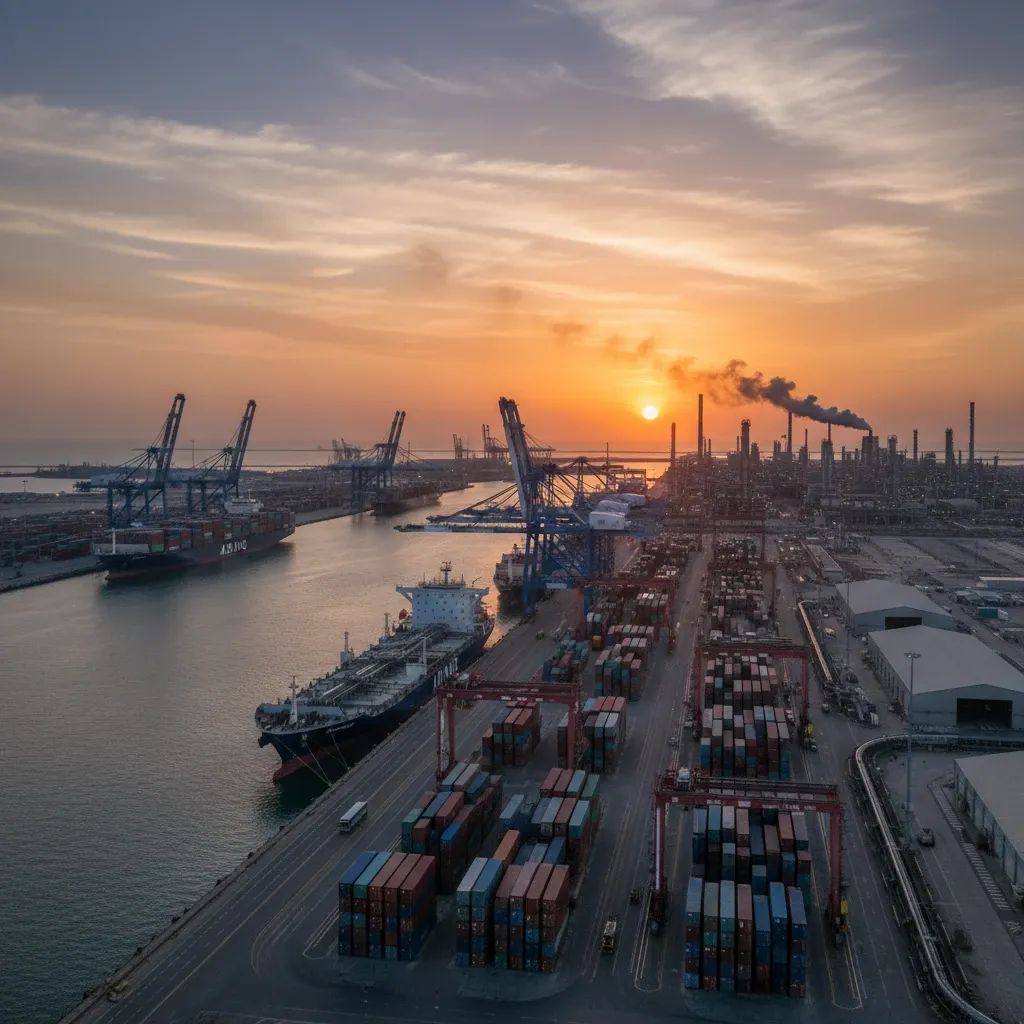
The reopening of Terminal 1 passenger services complements cargo operations that continued during the crisis. UAE-based logistics providers report improved capacity for shipments through Kuwait. Kuwait's geographic position makes it a natural re-export hub for goods moving between the Arabian Peninsula and the Levant, supporting regional trade flows.
Looking Ahead: Full Capacity Recovery
Kuwait's airport expansion plans include significant infrastructure investments to increase throughput and capacity. The airport authority has committed to modernizing facilities and improving operations to restore the airport to its previous role as a vital regional hub.
For environmentally conscious travelers and corporations tracking their emissions, the modernized airport incorporates current efficiency standards. In the interim, passengers should expect ongoing improvements as the facility completes its recovery phase.
Practical Advice for Travelers
• Arrive early: Expect heightened security checks and longer queues as staff reacquaint themselves with peak volumes.
• Monitor schedules: Check with airlines and airport sources for real-time updates on flight availability and schedules.
• Book flexibly: Allow extra time in your itinerary as services are restored to full capacity.
• Check visa requirements: Verify current entry procedures with Kuwait authorities, as requirements may have been adjusted.
The resumption of Terminal 1 operations represents a tangible step toward normalcy for a region still grappling with geopolitical volatility. While full recovery will take time, the airport's repair efforts and modernization plans signal Kuwait's determination to reclaim its role as a vital node in the Gulf's aviation network.