Sharjah's summer coastline draws thousands weekly through July and August, powered by a calculated mix of accessibility innovation, cultural conservatism, and infrastructure investment that quietly differentiates the emirate from its wealthier neighbors. For context, Sharjah borders Dubai to the south and extends east across the Hajar Mountains to the Gulf of Oman, creating two distinct coastal zones within 90 minutes of each other. The Sharjah Summer Promotions 2026 campaign, running until mid-September, packages hotel stays starting at AED 180 per night—roughly half Dubai's budget hotel rates—with restaurant discounts and shopping credits—a pricing strategy designed to compete directly with domestic weekend escapes to Ras Al Khaimah or Abu Dhabi.
Why This Matters
• Hotel occupancy sits at 78% across Sharjah, driven by 2.1 million guests in 2025 (22% year-on-year growth), with Indian visitors constituting roughly 40% of that volume through affordable heritage-focused packages.
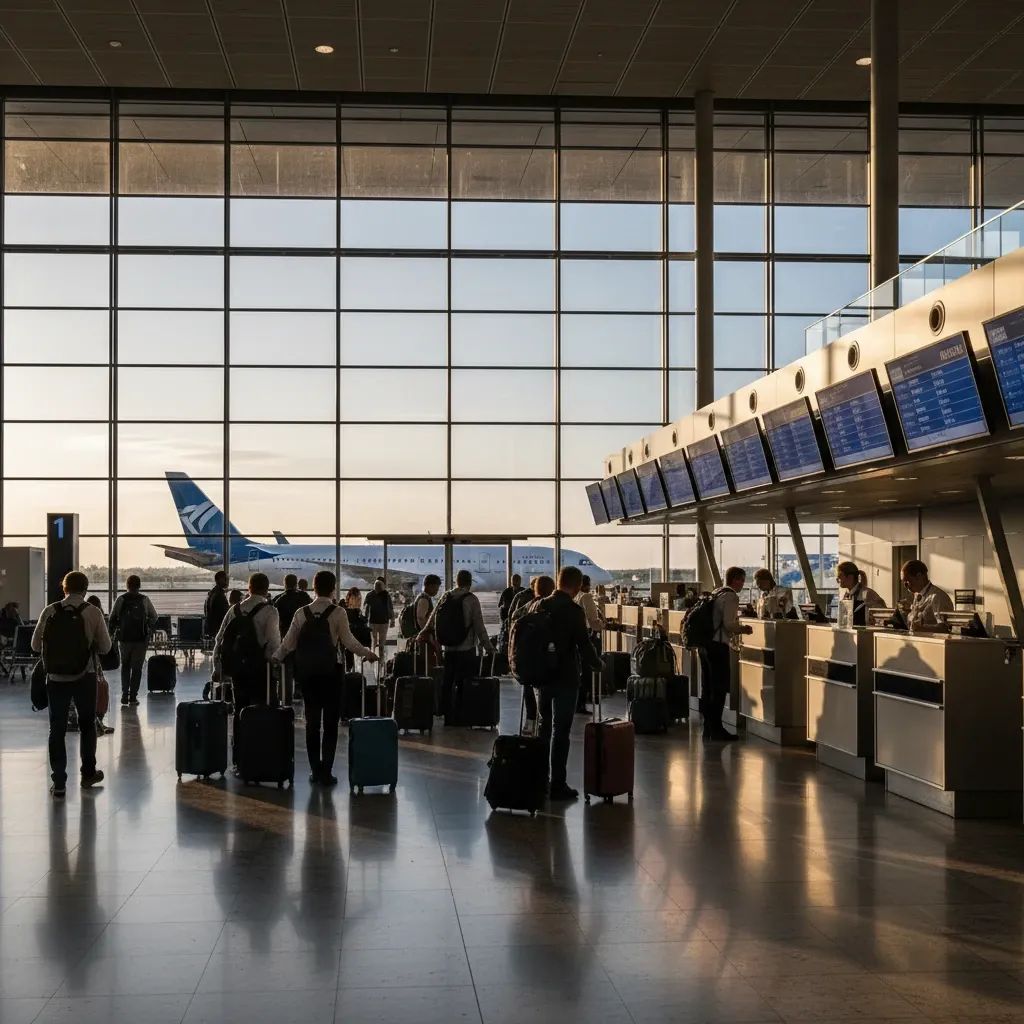
• Sharjah International Airport expects 3 million passengers in July-August 2026 alone, testing a facility undergoing a AED 4.2 billion expansion to reach 20 million annual capacity by 2027.
• Al Hamriyah Beach leads the UAE in structured disability accessibility, offering free floating wheelchairs and trained staff at a time when Dubai's certified beaches charge premium fees for equivalent services.
• "Sustainable Sea" initiative, launched June 2026, targets marine debris and plastic waste through weekly seabed clean-ups and aquarium-linked educational programming focused on local sea turtle populations.
Two Coasts, Two Audiences
Sharjah's geography creates an operational advantage competitors cannot replicate. The Arabian Gulf coastline—home to Al Khan, Al Mamzar, and Al Heera beaches—sits within 20 kilometers of Sharjah's urban center, making them spontaneous day-trip destinations for residents across the Northern Emirates. All beaches offer free public access. The Gulf of Oman eastern coast, anchored by Khorfakkan, Kalba, and Dibba Al Hisn, operates as a separate ecosystem serving families prioritizing privacy and mountain scenery.
Al Khan Beach functions as the emirate's "beach-plus-culture" node. Positioned adjacent to Sharjah Aquarium, it converts a two-hour visit into a bundled experience: morning swimming, midday marine education, afternoon dining at the surrounding restaurant cluster. This strategy mirrors successful model in Abu Dhabi's Saadiyat Beach ecosystem but operates at substantially lower price points—lunch for a family of four averages AED 120 compared to AED 280 at comparable Abu Dhabi venues. Beach entry is free; parking costs approximately AED 15.
Al Mamzar Beach, technically shared with Dubai but psychologically positioned as Sharjah's, absorbs weekend traffic from Deira and Ajman. The beach's proximity to Sharjah Aquarium and availability of jet ski rentals and rod fishing zones keeps multi-generational visits contained within a compact footprint. July and August see occupancy peaks exceeding 85%, according to municipality records, yet crowding remains manageable compared to Dubai's JBR Beach, where weekend capacity effectively maxes by 10 AM.
Al Heera Beach targets a younger demographic through KOTA Skatepark, Sharjah's first professional skateboarding facility. The beach's 6-kilometer cycling and jogging corridor, paired with South Asian and Middle Eastern restaurants offering sea-view seating at 30-40% below Dubai prices, attracts expatriate communities locked out of Dubai beach club pricing. One-hour parking costs AED 10, against AED 30 at nearby commercial alternatives. Beach access is complimentary for all residents.
The East Coast Advantage
The eastern portfolio generates disproportionate tourism revenue. Khorfakkan Beach, anchored by the newly operational $190 million Khor Fakkan Resort, positions swimming alongside mountain backdrops and an open-air theatre hosting seasonal cultural performances. The resort's opening fundamentally altered Khorfakkan's economics: hotel room rates jumped from AED 220 average (2024) to AED 340 (2026)—nearly equivalent to Dubai's budget hotel rates—yet occupancy remains above 81% due to package bundling with beach access and mountain hiking trails extending 4 kilometers toward Al Rafisah Dam. Public beach access is free.
Kalba operates as a secondary hub on the east coast. The 9.4-kilometer Kalba Corniche—extended 1.8 kilometers in 2024—recorded over 2 million visitors to its commercial anchors in the first half of 2026 alone. The Khor Kalba Mangrove Centre attracts eco-conscious visitors through guided kayaking tours (AED 75 per adult, roughly half comparable Dubai pricing) and educational programming about the UAE's oldest mangrove ecosystem. Birdwatchers specifically travel from Muscat and Dubai for sightings along these 4,500-hectare forest corridors.
Dibba Al Hisn deliberately maintains low-density development, a positioning choice that contradicts regional tourism expansion logic but serves a specific market: families from Saudi Arabia and conservative Gulf populations prioritizing gender-segregated spaces and cultural alignment. The Ladies Beach, with dedicated facilities and extended operating hours until 10 PM, records steady weekend visitation despite receiving minimal marketing outside Arabic-language channels. Adjacent Ladies Park includes volleyball courts, spray areas for children, and social seating—amenities designed for households where women and children constitute the primary beach demographic. Beach access is free.
Accessibility as Differentiation
Al Hamriyah Beach achieved official accessibility certification in 2026, a distinction none of Sharjah's competitors claimed as of mid-2026. The certification—aligned with World Disability Union standards—grants free access to floating wheelchairs, trained staff assistance, accessible parking within 50 meters of entry points, and shaded rest areas. Dubai's comparatively prestigious Jumeirah Beach 2 (Gold Accessibility Certified) offers wheelchair charging stations and a sensory room but charges AED 50 for floating wheelchair rentals—a fee Al Hamriyah explicitly removed to capture price-sensitive families with disabled children.
Sharjah's accessibility investment reflects both humanitarian design and competitive market positioning. With an estimated 850,000 residents with disabilities across the UAE—including temporary mobility limitations alongside permanent conditions—and existing fee structures at Dubai beaches creating implicit exclusion, Sharjah positioned accessibility as a value proposition rather than compliance checkbox. The strategy paid measurable returns: Al Hamriyah recorded 12% growth in disabled visitor numbers year-over-year through 2025-2026, according to municipality statistics.
Safety: Rescues and Red Flags
Two high-profile rescues in late 2025 and May 2026 underscored persistent drowning risks despite infrastructural improvements. In May, two expatriates rescued a driver whose vehicle plunged into the sea at Al Mamzar following brake failure—an incident that triggered a secondary round of awareness programming. Earlier, a civilian saved two children from rip currents at the same location, incidents that galvanized Sharjah Municipality's multi-agency response.
Sharjah's "Our Beaches Are Safe" campaign deployed 60+ trained rescuers across 25 rescue platforms during peak season, complemented by Al Hamriyah Municipality's "Safe and Happy Summer" programming featuring interactive theatre and seminars targeting tourist populations unfamiliar with flag warning systems. The authority's 2025 safety index of 99.7% masks persistent vulnerabilities: red flag violations remain common among international visitors, and dry drowning awareness remains underdeveloped among South Asian families—Sharjah's largest single source market.
The Stormwater and Groundwater Main Line Project, a 4.9-kilometer underground pipeline system discharging directly to the sea, addresses secondary beach contamination. Scheduled completion by February 2027, the infrastructure aims to eliminate urban runoff debris that previously forced temporary closures during heavy rain events, a critical issue given Sharjah's compressed summer revenue window.
Infrastructure and Waterfront Integration
Sharjah's beaches function within a larger waterfront ecosystem that extends economic value beyond swimming zones. Al Qasba, a 10-minute drive from Al Khan Beach, operates as a cultural anchor combining evening boat tours, art galleries, and riverside dining that extends beach visits into multi-day stays. Al Majaz Waterfront, adjacent to the Sharjah Fountain (among the Gulf's largest), hosts nightly light shows synchronized to music—a free attraction that counters Dubai's competitive advantage in paid entertainment.
Flag Island, recently completed in the city center, adds an open-air amphitheatre and sports courts (football, padel) to the waterfront portfolio, functioning as a "beach alternative" for residents preferring freshwater lake settings. Al Noor Island, on Khalid Lake shores, combines botanical gardens with art installations and the Butterfly House, charging AED 25 per adult—a budget-friendly option when midday heat forces evacuation of outdoor beach time.
Najd Al Meqsar Retreat in Khorfakkan provides heritage accommodation in restored mountain houses starting at AED 650 per night, targeting visitors who pair beach mornings with cultural afternoons. The Al Hefaiyah Lake circuit near the mountain conservation center adds a freshwater picnic option, diversifying Sharjah's beach-dominated summer narrative.
Comparative Positioning
Sharjah's beaches occupy a distinct tier within the UAE's coastal hierarchy. Dubai's beachfront dominates in commercialization and entertainment variety but operates at premium pricing that excludes significant segments of the domestic market. Abu Dhabi's Corniche Beach holds Blue Flag certification for environmental management—a credential neither Sharjah nor Dubai beaches currently pursue—while maintaining a more relaxed atmosphere than Dubai's high-octane environment.
Sharjah's advantage lies in family-centric infrastructure paired with conservative cultural positioning. The absence of alcohol sales, enforcement of modest dress codes, and gender-segregated facility options align with preferences from key source markets—India, Pakistan, and Saudi Arabia—which combined supplied roughly 40% of Sharjah's 2025 hotel guests. A family in Dubai can spontaneously reach Al Mamzar in 20 minutes but faces cultural friction at some venues; the same journey from Ajman to Sharjah's eastern beaches eliminates that friction entirely.
Ras Al Khaimah, positioning itself as an adventure destination with wider, less-crowded beaches, lacks Sharjah's proximity advantage. A 90-minute drive to RAK's Al Marjan Island becomes uncompetitive for weekend escapes when Sharjah requires 45 minutes.
Environmental Momentum
The "Sustainable Sea" initiative, launched from Khor Al Khan Marina in June 2026, signals environmental commitment beyond marketing rhetoric. Weekly seabed clean-ups target plastic debris and abandoned fishing gear, with volunteer programming open to residents. Educational tours at Sharjah Aquarium tie marine pollution directly to local consequences: sea turtle population stress, coral reef degradation, and fish habitat loss.
The Sharjah International Conservation Forum for Arabia's Biodiversity (February 2026) generated recommendations for strengthening regional capacity in biodiversity assessment and managing invasive species. Ajmal Makan City, a waterfront development at Al Hamriyah, dedicates 60% of its footprint to green spaces, beaches, and public areas—a sustainability standard higher than many competing developments.
Coral Beach Resort Sharjah joined the Glasgow Declaration on Climate Action in Tourism (March 2026), committing to waste management innovation, on-site water bottling, energy-efficient operations, and recycling partnerships. These commitments remain voluntary and modest compared to Abu Dhabi's Blue Flag standards, yet they establish baseline expectations for future operators in the emirate.
The Revenue Math
Hotel revenues reached AED 780 million ($212 million) in 2025, with average guest stays of two nights—shorter than Abu Dhabi's 2.8-night average but sufficient for domestic weekend cycles. The Sharjah Summer Promotions 2026 campaign, offering discounts up to 75% on retail and dining, aims to extend average stays by bundling beach access with shopping destinations like Al Qasba and Al Majaz Waterfront.
Sharjah International Airport's expansion from 19.5 million passengers (2025) toward 20 million capacity by 2027 enables growth while creating operational stress. The 3 million expected travelers in July-August 2026 will test immigration and parking capacity, likely extending processing times during peak arrival windows.
For Northern Emirates residents, Sharjah's beaches deliver predictable utility during summer months when international travel peaks and fuel costs make spontaneous escapes to distant destinations less economical. Hotel rooms during the promotion period cost AED 180-280 per night for families of four—competitive pricing when factored against fuel expenditure to Fujairah or entertainment costs at Dubai beach clubs. The emirate's dual-coast geography provides water temperature relief: Gulf of Oman waters average 2-3°C cooler than Arabian Gulf equivalents, a tangible comfort advantage during July's heat peaks exceeding 45°C on land.