Why This Matters
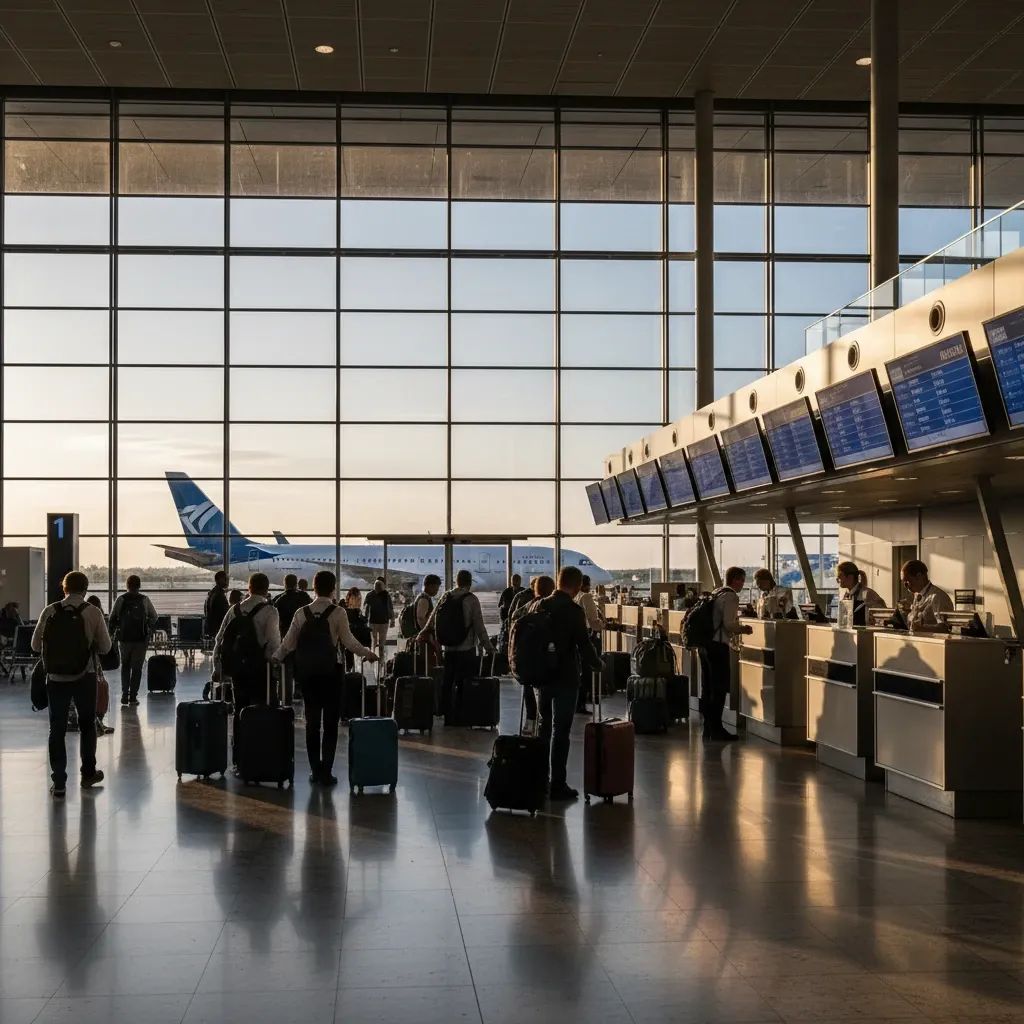
• Two departures daily from July 18: flydubai now offers morning and evening options to Bangkok's Don Mueang hub, eliminating the frustration of waiting days for availability during peak summer travel and Eid holidays.
• Thailand capacity reaches 21 weekly flights: Combined with ongoing Krabi service, flydubai strengthens its position as a leading Gulf carrier for Thai routes with competitive frequency.
• Single-ticket connections to 240+ destinations: The codeshare with Emirates eliminates baggage reclaim during transfers and allows booking onward flights to Europe, Africa, and Asia on one reservation.
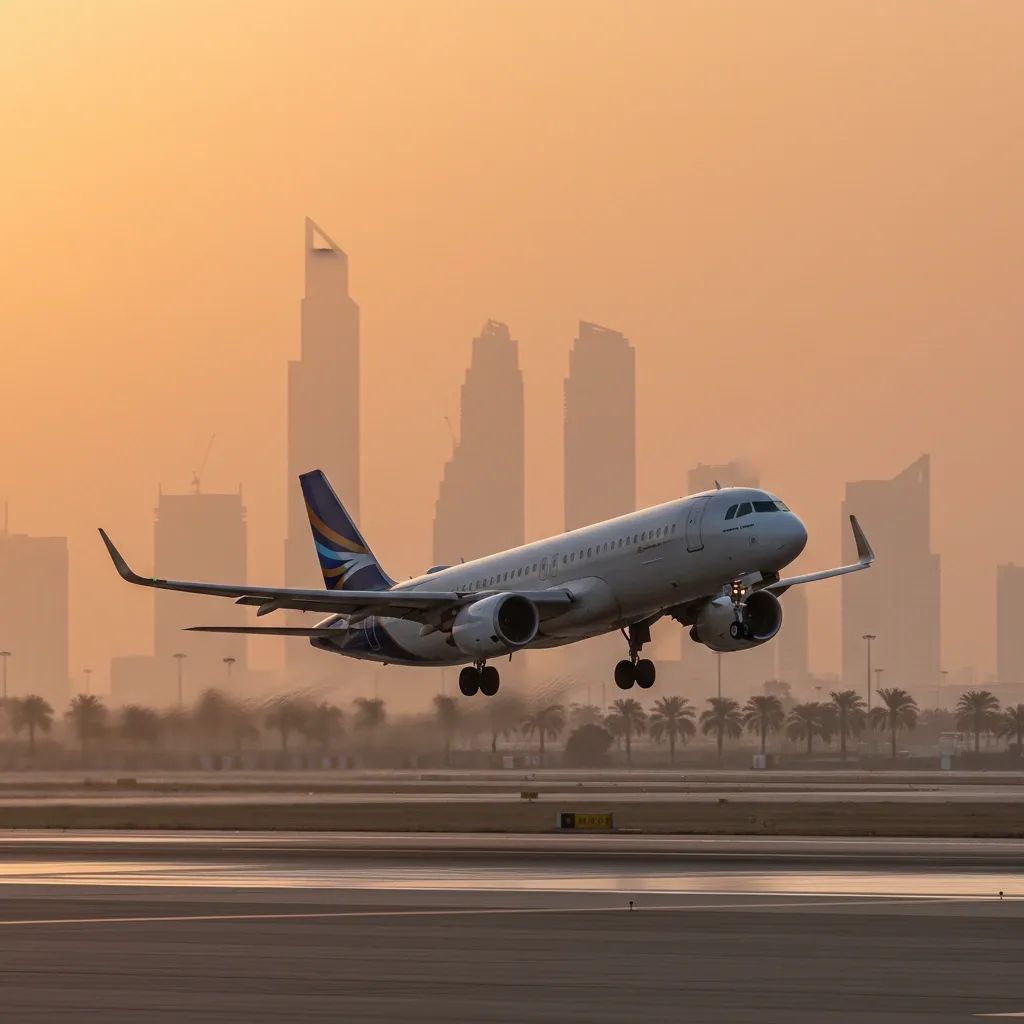
The United Arab Emirates-based airline flydubai is expanding its Southeast Asia commitment. Just 17 days after launching its first Bangkok service on July 1, the carrier introduced a second daily flight effective July 18, signaling sustained demand from the Gulf for Thailand's capital. By mid-September, the Bangkok-Dubai route will operate twice daily, joining flydubai's existing Krabi service to create a combined Thailand network of 21 weekly frequencies—a significant regional presence for the low-cost carrier.
The speed of this escalation matters. Airlines rarely add capacity within weeks unless underlying passenger demand justifies the move. In this case, Gulf travelers' appetite for Thailand connectivity and flydubai's operational flexibility are driving the expansion.
Why the Market Is Ready for Growth
Tourism demand from the Gulf toward Thailand has shifted from seasonal spike to sustained baseline. Gulf tourists typically stay longer—often two to three weeks—and spend higher per-day amounts than European leisure travelers, making them valuable to the destination. The appeal extends beyond beaches: Gulf travelers increasingly pursue medical tourism, wellness retreats, and shopping experiences centered on Bangkok's luxury malls and heritage districts. Family holidays anchored on school breaks have become predictable, with UAE nationals increasingly opting for tropical climates during extended breaks.
Bangkok's infrastructure supports this growth. Don Mueang International Airport, which serves flydubai exclusively, is positioned just 15 kilometers north of the city center—a meaningful advantage over the larger Suvarnabhumi hub 25 kilometers to the east. Ground transport from Don Mueang via the Airport Rail Link or ride-hailing reaches central Bangkok in 20 to 30 minutes, compared to 40 to 50 minutes from the alternate terminal.
The Emirates Codeshare Advantage
The underlying engine for this expansion is the Emirates-flydubai codeshare, a partnership that has evolved since 2017 into one of aviation's most effective integration models. For passengers, this eliminates typical friction in multi-leg journeys. A traveler booking a London–Dubai–Bangkok–Kuala Lumpur itinerary receives a single ticket, baggage tagged through to the final destination, and coordinated transfer protocols in Terminal 3 at Dubai International.
The partnership also optimizes aircraft deployment. Emirates operates long-range wide-body aircraft designed for premium cabins, while flydubai's narrow-body fleet operates where wider aircraft cannot justify deployment. This "right-sizing" of aircraft to route economics strengthens both carriers' networks.
What the Schedule Means for Residents
The practical implications for UAE residents are tangible:
Pricing: When an airline adds flights to a growing market, fares typically decline as the carrier fills additional seats. UAE residents can expect economy fares in the AED 650–950 range, undercutting full-service carriers charging AED 1,300–1,900 for comparable routing.
Schedule flexibility: A morning departure allows a full working day in Dubai before transfer; an evening flight lets a traveler complete business meetings and land in Bangkok by midnight. For residents juggling work commitments with holiday windows, twice-daily service eliminates scheduling conflicts.
Connection options: With arrival times spanning early morning through late evening, travelers gain multiple on-ground windows to catch onward flights to secondary Thai cities. A resident arriving on the early flight can connect to regional departures to Chiang Mai or Krabi—routings that were awkward with single daily service.
Operational Details for Travelers
UAE residents should note specific logistics:
• All flydubai Bangkok operations depart from Terminal 3 at Dubai International, which also hosts Emirates flights, simplifying transfers
• Ground transport from Don Mueang includes official taxis (approximately THB 300–350, or roughly AED 35–40, to central Bangkok), ride-hailing apps, and the Airport Rail Link
• Most UAE passport holders receive visa-free entry to Thailand for stays up to 30 days
• Flydubai operates Economy and Business Class cabins with complimentary meals and checked baggage allowances exceeding low-cost carriers
• Early booking—particularly for Eid, Diwali, and December holiday windows—typically secures better rates than last-minute purchases
What Comes Next
By late September 2026, flydubai's Thailand network will encompass 21 weekly flights concentrated on Bangkok and Krabi. Whether this frequency sustains depends on factors partly beyond the airline's control: fuel price volatility, geopolitical developments, and tourism trends. For UAE residents, the immediate payoff is clear—more seat availability, lower fares through competitive pressure, and schedule flexibility that accommodates both business and leisure travel patterns.