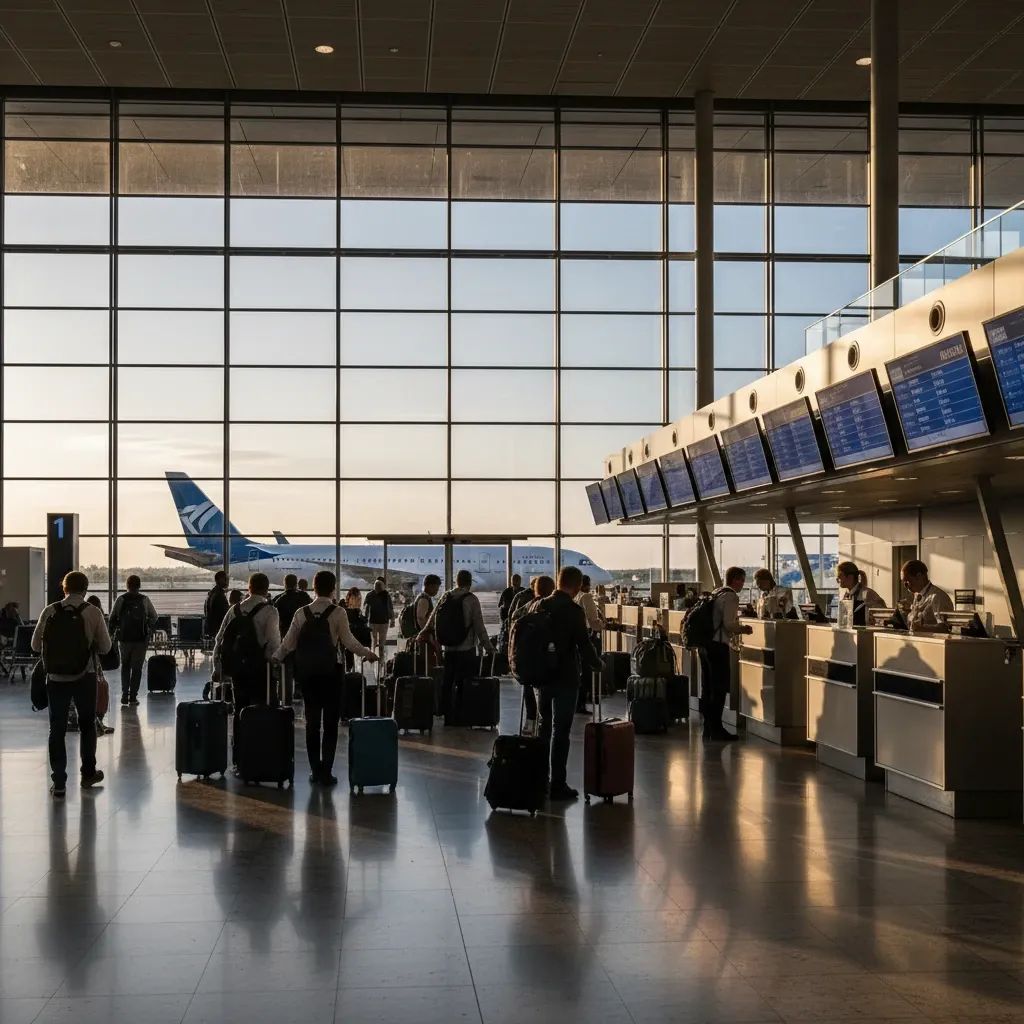
Sharjah International Airport has launched its Hajj return operations this week, welcoming the first wave of pilgrims from the Holy Lands with an enhanced service package designed to streamline the arrival process and deliver a hospitable experience that reflects Emirati cultural values.
The operations began this week as part of the annual Hajj season return period. The airport has coordinated with Sharjah Police General Command and other local authorities to create an integrated service framework within the terminal, focusing on smooth passenger flow while maintaining the dignity expected by returning pilgrims.
Operational Improvements
The airport has implemented several measures to enhance the arrival experience:
• Expedited procedures: Additional passport control lanes and check-in facilities have been deployed to reduce wait times during peak hours.
• Health support: Health screening stations are available for pilgrims, offering basic wellness checks and post-pilgrimage health guidance.
• Religious and cultural services: Religious advisers and multilingual staff are positioned throughout the terminal to assist pilgrims with inquiries and provide spiritual support.
• Traditional welcome: Each returning pilgrim receives traditional hospitality including dates and flowers, reinforcing Sharjah's position as a welcoming gateway for pilgrims.
Regional Context
The UAE's major airports—including Dubai International and Abu Dhabi's Zayed International—have established established processes for managing Hajj traffic. Dubai deploys guest experience ambassadors and dedicated fast-track services, while Abu Dhabi offers segregated corridors and dedicated prayer facilities. Sharjah's approach combines efficient processing with cultural hospitality, leveraging its compact footprint to facilitate quicker transitions.
The scale of operations at Saudi Arabia's international gateways—King Abdulaziz International Airport in Jeddah and Prince Mohammad Bin Abdulaziz International Airport in Medina—is significantly larger, handling millions of international pilgrims annually. However, UAE airports recognize that pilgrims often judge their entire Hajj journey by the quality of their final departure home.
What This Means for Residents
For UAE residents returning from Hajj, the enhanced Sharjah services translate to a more streamlined arrival experience. The expanded health screening addresses post-Hajj wellness concerns, while religious and cultural support services ease the transition back home.
The Hajj season also contributes to the UAE economy. Increased passenger traffic supports airport retail, duty-free, and food concessions. Pilgrims with extended stays book accommodations, dine locally, and shop for gifts, injecting seasonal activity into Sharjah's economy. Airlines also benefit from increased demand on Gulf routes during peak pilgrimage season.
Community-Based Service Delivery
Sharjah's operational model emphasizes community involvement, with local volunteers and staff working alongside government agencies. This approach reflects the emirate's preference for integrated, community-based service delivery that supplements professional airport operations.
The airport's ability to maintain service quality as Hajj returns continue throughout the season will determine whether Sharjah's hospitality-focused approach becomes a preferred gateway for returning pilgrims—or simply provides a smooth opening to the season.