
When a magnitude 7.7 earthquake jolted East Nusa Tenggara province on Saturday morning, it exposed both the fragility of Indonesia's infrastructure and the effectiveness of systems designed to prevent catastrophe. At least 5 people died with initial reports indicating the potential for higher casualty counts as rescue operations continued, while others were injured across Flores Island. What could have been a far deadlier event was contained by rapid early warnings and swift evacuation protocols—a distinction worth examining for anyone with ties to the region.
Why This Matters
• Travel & Safety: Those with plans to visit or work in Indonesia should reassess immediately. The East Nusa Tenggara province—home to popular tourism destinations like Labuan Bajo—remains under aftershock activity, with dozens of tremors continuing as of Saturday afternoon.
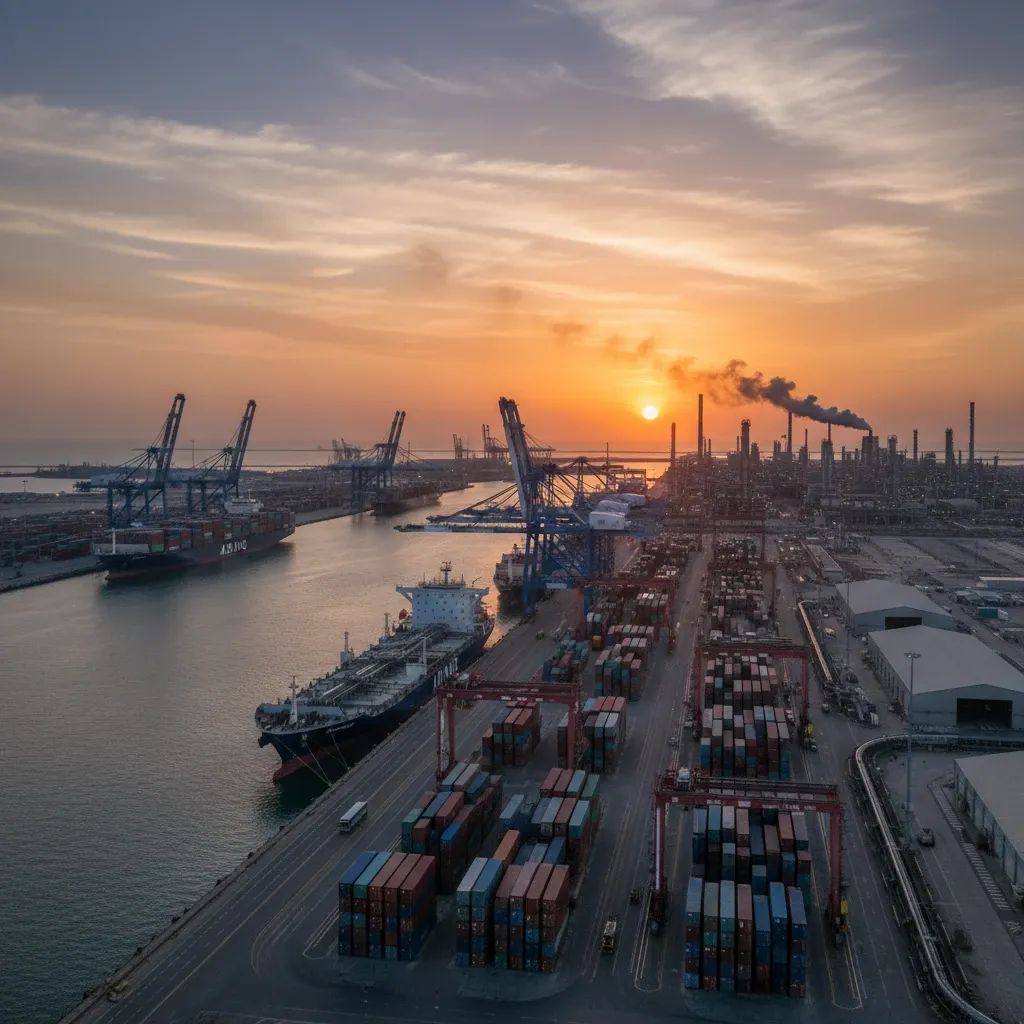
• Supply Chain Ripples: Disruptions to port operations, air traffic, and ground logistics from Flores Island could delay shipments affecting regional trade networks connecting Southeast Asia to Gulf markets.
• Insurance & Business Risk: Companies operating in Indonesia's earthquake zones should audit disaster recovery plans and verify coverage adequacy given the scale of structural damage reported across multiple regencies.
The Ground Shook Hard and Fast
The quake struck at 5:58 AM local time, hitting at a relatively shallow 10 kilometers below the surface—roughly 68 kilometers north-northwest of Ende. That shallow depth proved consequential. Seismic waves concentrated their energy near where people live and work, rather than dissipating through deeper rock layers. The United States Geological Survey measured the event at 7.7 on the Richter scale, making it the kind of earthquake that leaves little margin for error or structural forgiveness.
What followed was a cascade. Power cut out across affected cities. Roads buckled. Dozens of aftershocks, including one measuring magnitude 6.1, kept residents too frightened to return indoors. The Indonesian Meteorology, Climatology, and Geophysics Agency (BMKG) issued a tsunami warning immediately, though the actual sea-level rise remained modest—less than 1 meter in most locations. By mid-morning, three hours after the initial quake, officials lifted the warning after confirming no dangerous waves were approaching.
Impact on Regional Stability and Investment
For United Arab Emirates nationals and businesses, Indonesia's seismic vulnerability carries direct implications. The country is a crucial node in Southeast Asian trade, a primary destination for tourism investment from Gulf capital, and host to infrastructure projects developed by regional partners. Labuan Bajo, a growth market for hospitality and aviation services, experienced impacts from the earthquake.
Port disruptions in Flores Island can delay container movements affecting supply chains that connect to global logistics hubs. Tourism cancellations ripple through hotel occupancy rates and airline schedules. Investor confidence in the region hinges partly on how effectively Indonesia demonstrates disaster resilience and recovery capacity.
The earthquake arrived at a moment when Indonesia is actively testing new preparedness frameworks. Recent operational readiness exercises, including August drills in Bali, have assessed military and inter-agency coordination for earthquake responses. The National Research and Innovation Agency (BRIN) is developing additional early warning systems for floods and erosion, aiming for deployment by year's end. These investments signal a government intent on learning from past disasters and updating response protocols.
How the Warning System Worked
Indonesia sits squarely on the Pacific Ring of Fire, making earthquakes a geological certainty rather than a surprise. The country has invested heavily in early warning infrastructure since the devastating 2004 tsunami. Saturday's response illustrated the maturity of that investment.
The Indonesia Tsunami Early Warning System (InaTEWS) functioned as designed: BMKG detected the quake within minutes, analyzed seismic data, issued alerts to coastal communities, and monitored sea-level changes through a network of sensors. Authorities from the National Disaster Management Agency immediately coordinated evacuation orders, instructing residents to move either more than two kilometers inland or to elevations exceeding 10 meters above sea level.
In urban centers, this protocol worked reasonably well. But in remote villages accessible only by damaged roads or blocked by landslides, evacuation orders meant little. The Indonesian government mandates that 90% of disaster-prone districts adopt digital early warning tools by the end of 2026. Pilot programs combining artificial intelligence forecasting with community-based warning systems have demonstrated improvements in evacuation coordination in participating regions.
As chair of the ASEAN Committee on Disaster Management (ACDM) this year, Indonesia has been championing a shift away from reactive disaster response toward long-term sustainable resilience. Part of that vision involves strengthening regional systems like the ASEAN Multi-Hazard Early Warning and Preparedness System (AMPD), which would coordinate responses across member nations and share real-time data during major events.
The Recovery Road Ahead
Saturday's earthquake will test Indonesia's institutional capacity over the coming weeks. Rescue and recovery operations are underway in the affected areas. Power restoration and infrastructure assessments remain priorities when heavy equipment access to damaged roads is limited.
The shallow depth of the earthquake—a curse for surface damage but a blessing for prediction—means aftershock sequences typically remain intense for days. Residents remain reluctant to enter partially damaged structures even after initial assessments deem them safe.
United Arab Emirates residents planning travel to the region should register with their embassy, monitor updates from local authorities in East Nusa Tenggara, and defer non-essential visits until infrastructure assessments conclude and seismic activity stabilizes. Businesses with supply chain exposure should activate continuity protocols and communicate with Indonesian counterparts about potential logistics delays.
The broader lesson for the Gulf: Indonesia's evolving approach to disaster management—integrating digital early warning systems, artificial intelligence, and community-level preparedness—offers a model as Gulf nations confront climate-related hazards and aging infrastructure risks in their own contexts. How effectively Indonesia converts this crisis into institutional improvements will signal its capacity to attract sustained investment and tourism in the years ahead.


