
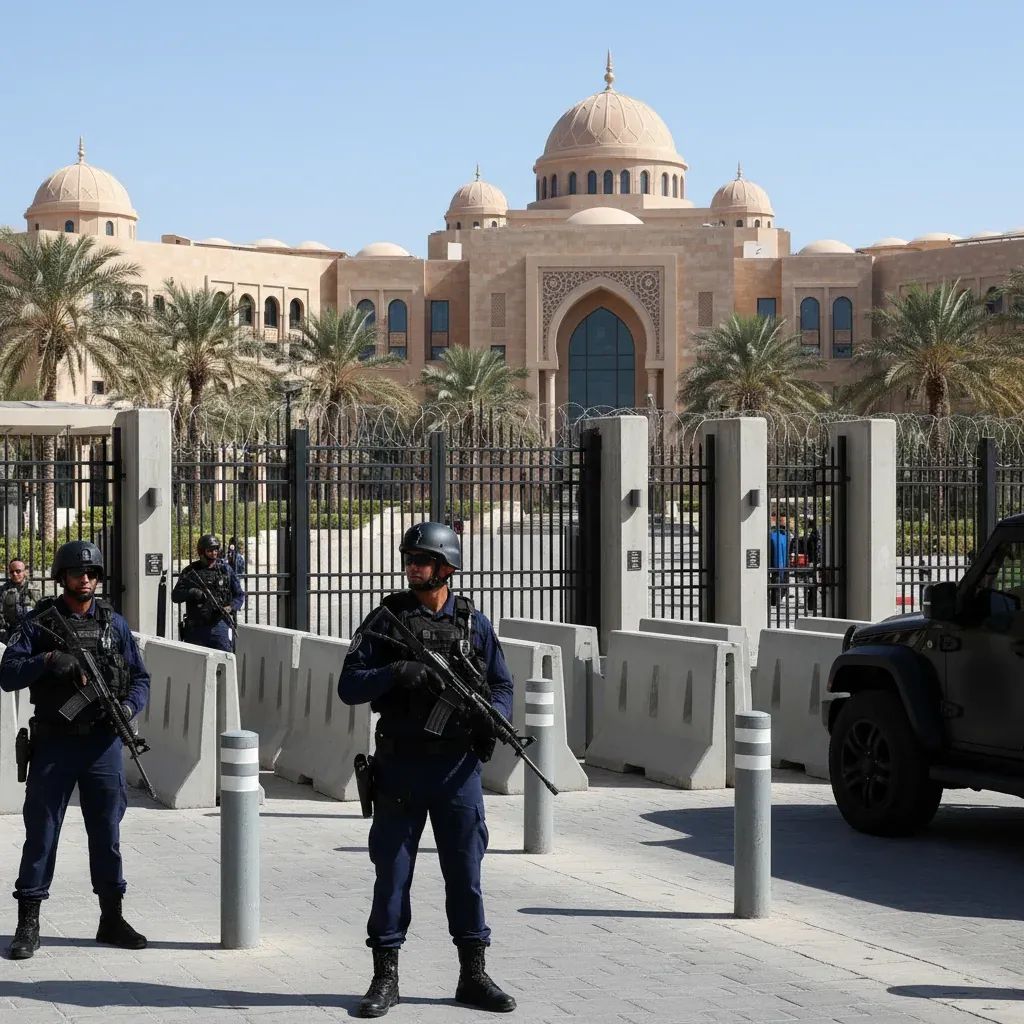
UAE Condemns Attack on Kuwait's Consulate in Basra, Iraq
The United Arab Emirates Ministry of Foreign Affairs has issued a strong condemnation following a security breach at Kuwait's diplomatic mission in Basra, Iraq. The UAE's statement invoked international law and called for Iraqi authorities to conduct a thorough investigation and hold perpetrators accountable.
The Vienna Convention Framework
Abu Dhabi grounded its response in the Vienna Convention on Diplomatic Relations, a 1961 international treaty signed by 193 nations including Iraq. The convention establishes a fundamental principle: host governments must provide protection for foreign diplomatic facilities and ensure their staff operates without threat.
Article 22 of the Convention specifically obligates host nations to take "all appropriate steps" to prevent attacks on diplomatic compounds. This isn't advisory language—it's a binding legal obligation. When a breach occurs, the host nation is considered to have violated international law.
By publicly invoking Vienna Convention obligations, the UAE signaled that the incident represents more than a local security matter—it constitutes a breach of Iraq's international legal responsibilities. Such violations can have diplomatic consequences and may be raised in multilateral forums including the UN General Assembly.
Relevance to UAE Residents and the GCC
The incident carries significance for UAE residents due to the UAE's substantial diplomatic and commercial presence in Iraq. The breach of a GCC member state's consulate reflects on security conditions affecting all Gulf nationals and businesses operating in the region.
Kuwait's consulate in Basra serves as an operational hub for consular services including passport processing and document authentication. The facility also supports bilateral commerce, as Basra hosts significant Gulf business interests in ports, energy, and reconstruction sectors.
The attack underscores ongoing security challenges in southern Iraq, where state authority remains uneven and various armed groups operate with limited oversight. These broader conditions affect the security environment for all foreign diplomatic and commercial operations in the region.
UAE's Position and Next Steps
The UAE's firm response reflects its consistent policy of treating threats to any GCC member state's diplomatic assets seriously. Abu Dhabi has called on Baghdad to demonstrate systemic capacity through enhanced security protocols, dedicated protection units, rapid-response procedures, and accountability mechanisms.
For the UAE and other Gulf states, Iraq's ability to reliably protect diplomatic facilities has direct implications for their investment decisions, commercial partnerships, and broader regional engagement. The Ministry's public demand for investigation and preventive measures signals that diplomatic security failures carry consequences.
Practical Considerations
UAE residents with business operations or planned travel to Iraq should monitor official consular advisories and register with the Ministry of Foreign Affairs before departure. Employers operating in Iraq maintain their own security protocols, which residents should coordinate with before travel or relocation decisions.
The incident underscores the importance of comprehensive travel insurance and emergency evacuation provisions when operating in regions with complex security environments. The UAE Foreign Affairs Ministry maintains capabilities to assist its citizens abroad, but independent preparedness measures strengthen safety margins.
Ultimately, the Ministry's firm stance reinforces the principle that treaty protections for diplomatic facilities are non-negotiable, regardless of the host nation's broader security challenges.


