
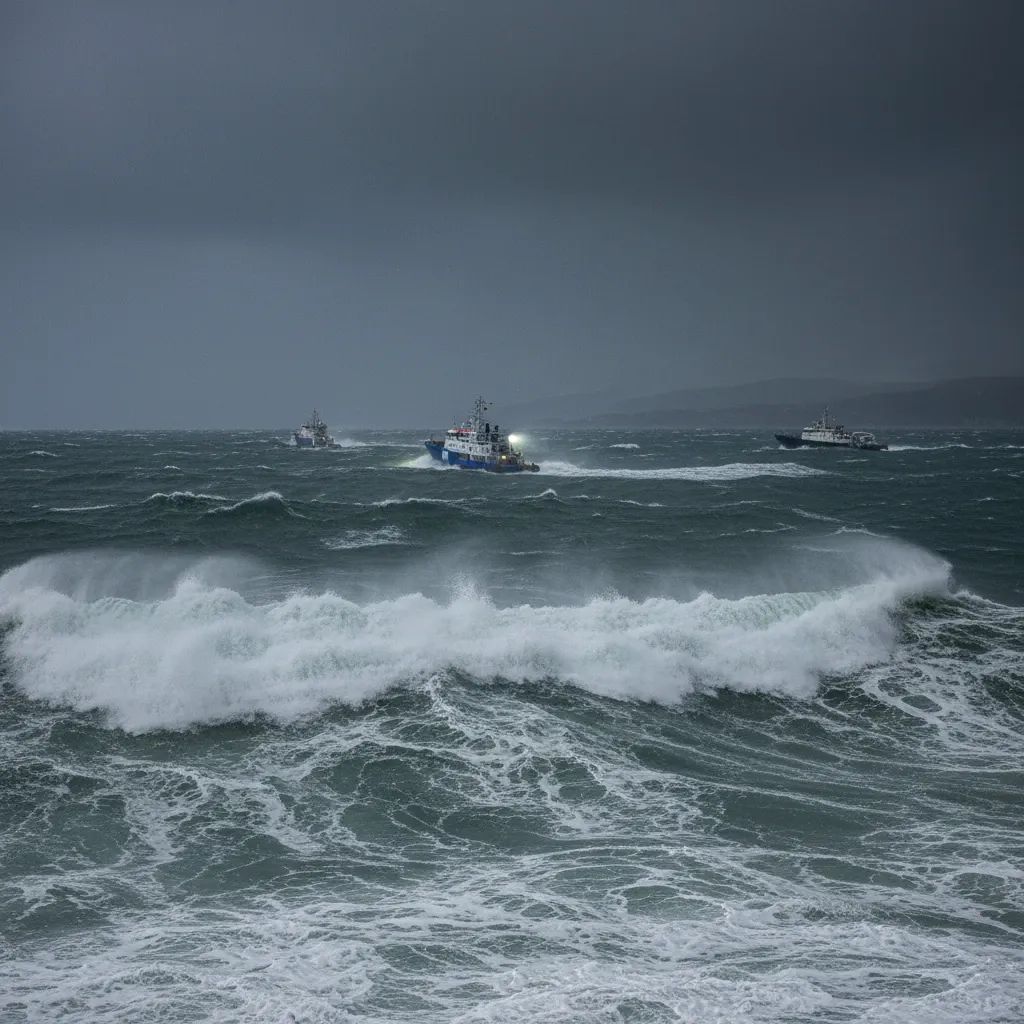
A migrant boat that set sail from Libya overturned in the central Mediterranean on April 5, leaving more than 80 people missing and underscoring a grim reality: 2026 has become one of the deadliest years on record for those attempting the sea crossing from North Africa to Europe. The Italian coast guard rescued 32 survivors and recovered two bodies from the vessel, which departed from Tajoura carrying approximately 120 passengers before capsizing in rough seas.
Why This Matters
• Nearly 1,000 deaths have been recorded across Mediterranean routes in just the first three months of 2026—the highest toll for this period since 2014.
• Rescue capacity remains insufficient despite ongoing operations by coast guards and NGOs, with policies increasingly focused on interception rather than life-saving.
• Weather conditions and smuggling networks are creating a lethal combination, with flimsy boats sent out during storms to maximize smuggler profits.
A Surge in Fatalities Despite Fewer Crossings
The death toll across the Mediterranean has more than doubled compared to the same period in 2025, climbing from 287 to 655 fatalities in the first two months alone. By early April, the International Organization for Migration reported the total had reached approximately 990 deaths and disappearances, with roughly 765 occurring along the central Mediterranean route between Libya and Italy.
This surge is especially confounding because arrivals to Italy have actually declined. Only 6,200 migrants reached Italian shores in the first quarter of 2026, down from 9,400 during the same window in 2025. The explanation lies not in increased departures but in dramatically worsening conditions for those who do attempt the journey—a combination of extreme weather, inadequate rescue infrastructure, and smugglers exploiting desperation.
The April 5 capsizing near Lampedusa was only the latest in a string of catastrophic incidents. On April 1, rescuers discovered 19 bodies aboard a drifting boat near the same Italian island. Survivors reported the vessel had left Zuara, Libya, days earlier but suffered engine failure and ran out of fuel while adrift for three days. Fifty-eight people, including women and children, were pulled from the wreck, several in critical condition.
That same day, at least 19 migrants drowned when a rubber dinghy capsized in the Aegean Sea near Bodrum, Turkey. Late March saw additional tragedies: a shipwreck off Sfax, Tunisia, killed 19 and left about 20 missing, while another vessel departing eastern Libya sank near Crete, Greece, claiming at least 22 lives.
Between March 28 and April 7 alone, more than 180 people are presumed dead or missing across the Mediterranean.
The Drivers Behind the Rising Death Toll
Multiple factors are converging to make 2026 uniquely perilous. Cyclone Harry, which struck in mid-February, exemplified the extreme weather patterns complicating crossings this year. Smugglers, seeking to maximize profit, have increasingly sent unseaworthy boats out during hazardous conditions, sometimes at reduced fares to lure clients despite the obvious danger.
At the same time, border policies have hardened. Italy's government has authorized naval blockades during periods of "exceptional pressure" and imposed tougher penalties for human smugglers, while bilateral agreements between Rome and authorities in Tunisia and Libya aim to stem departures at the source. Critics, including Italian bishops, have condemned these measures as "inhumane political choices" that inadvertently push migrants onto riskier routes operated by more ruthless smuggling networks.
The reduced capacity and coordination of search and rescue operations compound the problem. While the Italian Coast Guard, Greek authorities, and NGOs like SOS Méditerranée continue rescuing people at sea, humanitarian groups report that European governments are increasingly favoring an "interception and push-back model" over proactive life-saving. This leaves merchant vessels, tugboats, and volunteers to shoulder much of the burden.
A February 2026 report by the UN Human Rights Office and UN Support Mission in Libya documented "ruthless and systematic human rights violations" against migrants intercepted and returned to Libya, including killings, torture, sexual violence, and trafficking. Between March 29 and April 4, Libyan authorities intercepted and returned 78 migrants to detention centers. Humanitarian organizations have called for a moratorium on such returns until robust safeguards are in place.
What This Means for the Region and Beyond
For residents and policymakers across the Middle East and North Africa—including those in the United Arab Emirates, where migration governance and humanitarian diplomacy are ongoing priorities—the 2026 Mediterranean crisis highlights the consequences of border externalization strategies. The UAE has long participated in international humanitarian relief efforts and hosts significant expatriate populations, making questions of safe migration pathways and regional cooperation directly relevant.
Amy Pope, Director General of the IOM, has urged intensified efforts to dismantle trafficking networks and expand safe, regular migration channels to prevent such deadly crossings. Yet the current trajectory suggests the opposite: despite a 31% drop in migrant arrivals to Italy, the death rate on the central Mediterranean has surged by over 150% compared to early 2025.
The trend reflects a broader global challenge. The Mediterranean claimed at least 2,185 lives in 2025, down from more than 9,200 deaths recorded globally in 2024. But the decline was partly attributed to reduced monitoring and safeguarding efforts rather than improved safety. In 2023, the Mediterranean recorded 3,129 deaths and disappearances—the highest annual toll since 2017.
The Information Gap and the "Invisible Shipwrecks"
Human rights groups and the IOM have raised alarms about a "strategy of silence" among governments, particularly Italy, Tunisia, and Malta. Authorities are accused of withholding data on rescues and shipwrecks, making it difficult to verify the true death toll or locate missing persons. This lack of transparency creates what observers call "invisible shipwrecks"—tragedies that go undocumented and uncounted.
Meanwhile, the European Union is deepening its collaboration with Libyan authorities, including those in the eastern region under General Khalifa Haftar. Plans include an EU-funded Maritime Rescue Coordination Centre in Benghazi and the delivery of radar and surveillance technology to Libyan coast guard units. The EU's Migration and Asylum Pact, which entered force in June 2026, emphasizes faster screening at external borders and capacity building for border control in third countries.
Yet the operational reality is stark: the Libyan Coast Guard has been accused of violence, even against NGO vessels, despite receiving EU funding. SOS Méditerranée and other humanitarian organizations have called for the suspension of such cooperation and urged member states to avoid similar agreements until human rights protections are guaranteed.
A Call for Accountability and Action
The early months of 2026 have exposed the lethal intersection of policy, weather, and exploitation in the Mediterranean. With nearly 1,000 deaths already recorded, the year is on pace to surpass the worst annual tolls of the past decade. The IOM has called for stronger regional coordination, increased search and rescue capacity, and the expansion of legal migration pathways as essential steps to prevent further loss of life.
For the United Arab Emirates and other Gulf states engaged in humanitarian diplomacy and migration policy, the Mediterranean crisis serves as a sobering reminder of the stakes involved in balancing border security with the protection of human life. As summer approaches and the crossing season intensifies, the international community faces a critical question: whether the current approach prioritizes deterrence over dignity—and at what cost.


