
The United Arab Emirates is preparing for volatile atmospheric conditions from April 7 through April 13, with the National Centre of Meteorology forecasting a two-phase weather system: dust-laden winds followed by rainfall that poses flooding risks in vulnerable areas.
Key Takeaways
• Dust and wind hazard window: Tuesday through Wednesday will bring northwesterly gusts up to 50 km/h, reducing visibility on highways and affecting flight operations; caution advised for light vehicles and high-sided trucks.
• Rough seas expected: The Arabian Gulf and Oman Sea will experience rough conditions with higher wave heights; fishing boats, cargo vessels, and coastal operations should exercise caution.
• Rainfall Thursday onward: Western and eastern mountainous regions face precipitation from Thursday through Monday morning, with flash flood potential in wadi channels and low-lying areas.
• Market and operations impact: Construction sites may halt, retail activity may decline, and maritime operations will face delays.
Reading the Week: Two Distinct Hazard Phases
Tuesday and Wednesday will bring the primary dust phase as a western weather system moves across the UAE. Wind acceleration is expected during midday hours, churning dust from exposed desert areas. Visibility will be significantly reduced across the Sheikh Zayed Road (E11) and northeastern highways. The Ministry of Interior has advised residents to exercise caution, particularly with high-sided vehicles and motorcycles on exposed highway stretches.
Airlines operating from Dubai International, Abu Dhabi International, and Sharjah International airports are monitoring wind projections, though no flight cancellations have been formally announced as of April 6.
Beginning Thursday, a second system will inject moisture-rich air over the UAE. For most coastal and inland zones, this translates to light to moderate rainfall. However, the UAE's western and eastern mountain ranges will likely experience more concentrated precipitation. Coastal areas may receive scattered showers, while elevated terrain in the Hajar Mountains and western regions will bear the brunt of heavier rainfall.
Infrastructure Preparedness
The UAE has invested in stormwater infrastructure to improve resilience. Dubai's Tasreef program, a multi-phase stormwater initiative, aims to enhance the city's rainfall absorption capacity. Abu Dhabi has initiated a parallel project scheduled for completion in 2025. The Ministry of Interior has activated Emergency Operations Centres in Abu Dhabi, Al Ain, and Al Dhafra, positioning rescue teams and equipment to respond if localized flooding occurs.
Sectoral Impact: Expected Disruptions
Construction sector: Large projects will likely issue work stoppages during peak dust conditions. Cranes cannot operate safely when wind gusts exceed safety thresholds; worker safety protocols restrict outdoor labor during dust events.
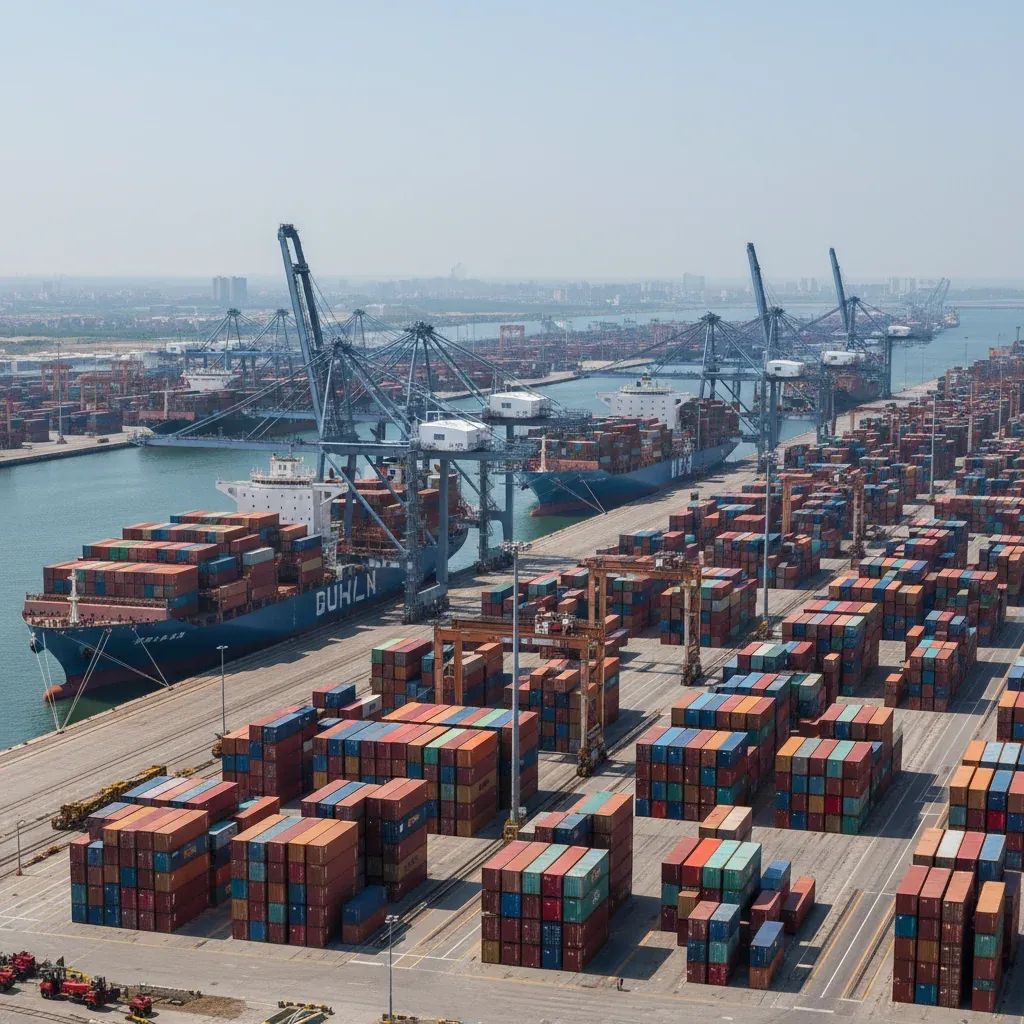
Maritime and fishing: The Arabian Gulf and Oman Sea will experience rough conditions with higher wave heights. Small fishing vessels and pleasure craft will remain docked, affecting seafood availability in markets and restaurants. Commercial cargo operations at major ports will slow under wind-speed restrictions.
Retail and hospitality: Open-air malls and beachfront zones will see reduced foot traffic during dust conditions. Restaurants with outdoor seating will close patios. Retailers anticipate modest declines as residents limit non-essential trips during peak dust hours.
Logistics and supply chain: Transport operators may reroute shipments to avoid dust-affected highways. Longer routes will incur additional fuel and labor costs. Perishable goods suppliers have activated contingency plans to ensure deliveries continue, though timing delays are possible.
Government and education: Remote-work protocols remain possible if conditions deteriorate significantly. Schools have distance-learning procedures in place if needed.
Coastal Vulnerability and Safety
Rough sea conditions create compound hazards including wave damage to coastal infrastructure and safety risks for beachfront users. The Ministry of Interior and the National Emergency Crisis and Disaster Management Authority (NCEMA) advise residents in coastal neighborhoods to avoid the shoreline during rough-sea warnings.
Action Items for Residents and Operators
Individual guidance: Defer long-distance driving on exposed highways until Thursday, April 9. Stock essential supplies (medications, drinking water, non-perishable groceries). Avoid wadi channels and dry riverbeds after Thursday evening when rainfall begins, as flash flooding can occur rapidly. Do not venture onto beaches during rough-sea conditions. Residents with respiratory sensitivity should minimize outdoor exposure during peak dust hours midday Tuesday and Wednesday. Monitor the NCM mobile application and official government SMS alerts for real-time updates.
Business protocols: Logistics managers should monitor route conditions and be prepared to adjust shipping schedules. Confirm that emergency lighting, backup generators, and drainage systems are functional. Hospitality and retail operators should prepare for potential customer flow fluctuations.
Weather Outlook
By Monday, April 13, conditions are expected to stabilize. Intermittent cloud cover may linger through mid-April, but the intensive dust and rain phases will have concluded. Temperatures will rebound toward typical April levels with declining humidity. Residents should remain alert to official weather updates through the weekend.


