
The United Arab Emirates Executive Council in Dubai has ordered every government department to treat 2026 as a "delivery sprint," a move that could shrink waiting times for public services and funnel more money into neighbourhood-level projects before the end of next year.
Why This Matters
• Shorter queues: Integrated digital portals promise to cut average transaction time from 45 minutes to under 10.
• Cheaper energy bills: A new clean-energy procurement scheme targets a 12% drop in household electricity costs by 2028.
• New job openings: 6,500 tech-focused roles will be created across public agencies as part of the AI roll-out.
• More green space: Every district is to have a walkable park within 800 m, starting with six pilot communities by 2027.
A Week-Long Strategy Lab with an Aggressive Timeline
Unlike previous editions, Dubai Camp 2026 functioned less as a brainstorming retreat and more as a task-force war room. Directors-General spent three days stress-testing roadmaps for the two flagship blueprints—Dubai Economic Agenda D33 and the parallel Dubai Social Agenda—both of which share a 2033 finish line. Crown Prince Sheikh Hamdan pushed for “bankable milestones” to be logged every six months, warning that global league-table positions will not wait for ceremonial ribbon-cutting.
Five Budget Priorities That Will Touch Daily Life
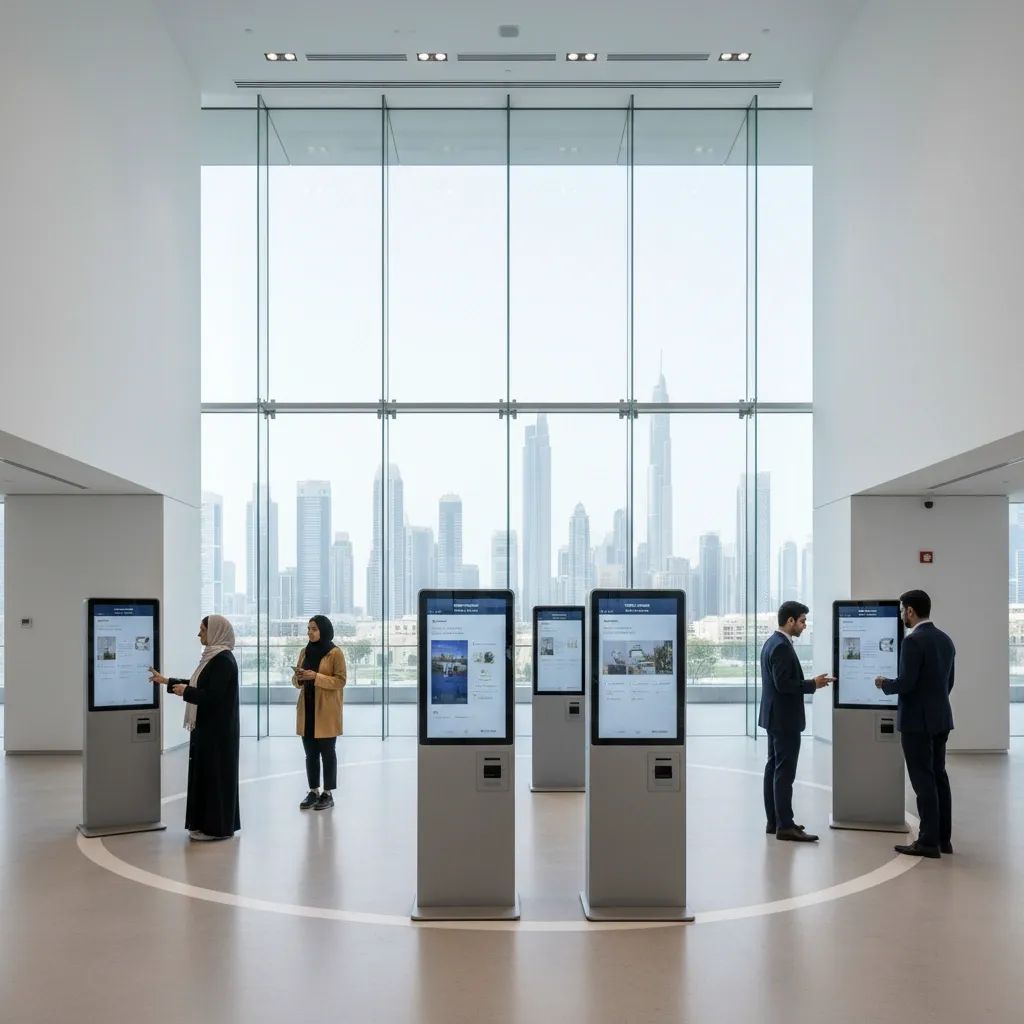
One-Click Government – All 1,600 public services consolidated into a single SuperApp with facial-ID log-in; beta release October 2026.
Smart Mobility Lanes – 72 km of road space reserved for autonomous shuttles and e-bikes, starting on Sheikh Zayed Road’s service lanes.
Solar for Renters – A leasing model that allows apartment tenants, not just villa owners, to subscribe to rooftop solar at AED 0.24/kWh.
24-Hour Clinics in Malls – Four pilot sites confirmed for Deira City Centre, Dubai Hills Mall, Ibn Battuta and Dragon Mart by Q1 2027.
Talent Fast-Track Visa – Processing time for specialised tech workers cut to 5 working days; dependants included at no extra fee.
Together, these five lines absorb nearly AED 19 B in the 2026-2028 budget cycle, according to finance officials.
What This Means for Residents
• Quicker errands: Anyone needing to renew a driving licence, register a tenancy contract (Ejari) or dispute a parking ticket will interact with one chat-style interface rather than multiple portals.
• Lower living costs: The Energy and Infrastructure Authority believes the solar-leasing model will shave AED 140 to AED 220 off the average monthly apartment bill—roughly a weekend’s grocery shop in Dubai Marina.
• Health on-demand: 24-hour mall clinics will accept both public (Daman) and private insurance, giving parents an after-school alternative to packed emergency rooms.
• Commute alternatives: Autonomous shuttle lanes are expected to reduce morning-rush congestion by 10% in test corridors; Nol fares will remain unchanged for those services in the first 18 months.
• Job market boost: Emiratis studying data science, cyber-security and renewable-energy engineering have been earmarked for 3,000 of the 6,500 new government tech roles.
Investor Lens: Why the Private Sector Is Paying Attention
Local fund managers point to three signals buried in the Camp communique:
• Regulation Sandboxes: The Legal Affairs Department will grant provisional licences in as little as 30 days for pilots involving blockchain records or AI legal drafting.
• Guaranteed Off-take: Dubai Electricity & Water Authority (DEWA) commits to a 15-year purchase agreement for any rooftop-solar surplus, offering predictable cash flow for installers.
• Health-Tech Partnerships: The 24-hour mall clinics will be run via public-private joint ventures, with minority stakes reserved for UAE-based SMEs rather than multinationals alone.
How It Fits Inside the D33 Masterplan
The immediate deliverables map back to three D33 headline targets: doubling foreign trade, adding 400 new city trading partners, and injecting AED 100 B a year into the economy via digital transformation. By slashing red tape and power costs, officials hope to free up capital—a prerequisite if Dubai is to hit the AED 32 T cumulative GDP goal by 2033.
The Road Ahead
A cross-agency progress audit is set for September 2026. Failure to hit interim benchmarks will trigger what Sheikh Hamdan called a “reset clause,” allowing funds to be reallocated to higher-performing programmes.
Residents can expect a public dashboard—updated monthly—showing KPIs such as service-processing speed, energy-bill reductions and new-job counts. In short, the emirate is tying its ambitious global rankings to deliverables that people can measure in minutes, dirhams and quality-of-life perks.


