
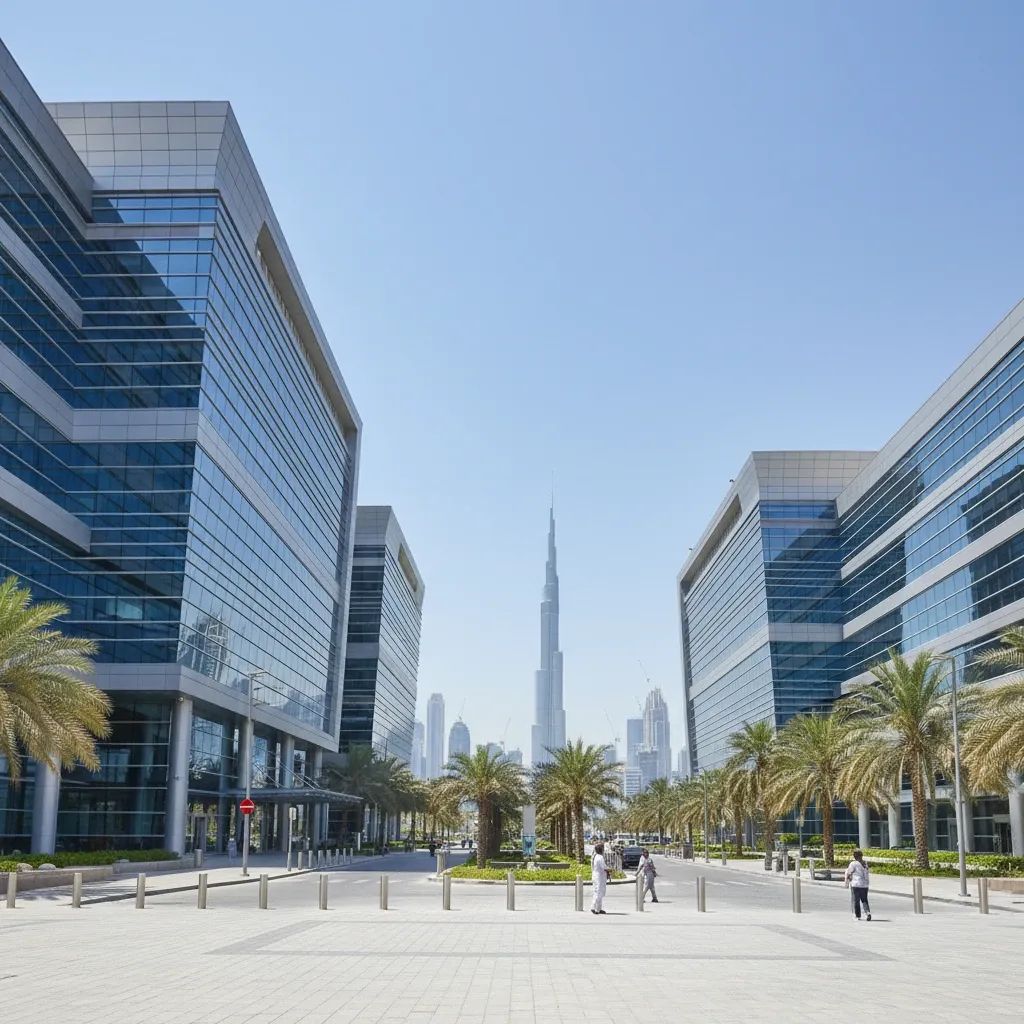
The United Arab Emirates Dubai Health Authority has confirmed an 8 % jump in private clinics and hospitals last year, a surge that is reshaping how quickly residents can get an appointment—and how aggressively insurers and employers are recalibrating benefit packages.
Why This Matters
• Shorter wait times: 55 hospitals and more than 5,700 other facilities now compete for patients, trimming average specialist queues to less than 5 days.
• Job market heat-up: An extra 5,300 healthcare professionals were licensed in 2025, widening options for Emiratis and expats with medical or support skills.
• Policyholder perks: Mandatory insurance is increasingly covering AI-enabled diagnostics and at-home rehab, pushing insurers to refresh plans by mid-2026.
• Investor magnet: New Certificate-of-Need incentives allow 100 % foreign ownership for projects above AED 100 M, especially in mental health, urgent care and tele-rehab.
Dubai’s Treatment Boom in Perspective
The emirate’s human health and social work sector expanded 26 % in the first quarter of 2025—outpacing construction, logistics, and even tourism. Behind the headline figure sits an infrastructure map that has nearly doubled in a decade: 68 specialised clinics, 60 day-surgery centres, and a sharp uptick in home-health providers catering to an ageing population that increasingly prefers recovery in a villa rather than a ward.
Engines of Growth
Several forces are converging:
Digital medicine: Under the DHA’s Smart Health Strategy, remote monitoring devices are on track for 78 % adoption by licensed providers, slashing follow-up visits.
Medical tourism: Spending by international patients crossed AED 1 B in direct payments and AED 2.3 B in spill-over hospitality revenue, buoyed by simplified health-tourist visas.
Regulatory clarity: Law No. (5) of 2025 on Public Health and Resolution No. (79) defined precise categories for private facilities, giving banks and venture funds a clearer risk picture.
Insurance mandate: Every Dubai resident, including domestic workers, must hold an approved policy, creating predictable baseline demand and encouraging providers to scale.
Where the Capital Is Flowing
The Dubai Healthcare City Authority has already committed AED 5.4 B to Phase 2 infrastructure, 80 % of which is in the ground. Phase 3—an AED 8 B blueprint—promises 50 specialty hospitals and 1,000 outpatient clinics by 2028. Parallel moves include:
• AED 1.3 B green retrofit of DHCC Phase 1, with LEED-Platinum clinics and EV-ready car parks.
• Aster DM Healthcare’s AED 1 B pipeline for two new hospitals and a robotic rehab centre.
• Unified Health Screening, launched in February 2026, merges residency and occupational checks into one digital file, trimming on-boarding time for employers by 40 %.
What This Means for Residents
• Faster access, broader choice: Expect more niche centres—from gastroenterology super-clinics to precision-oncology labs—opening in or near residential areas such as Al Yalayis and Nad Al Sheba.• Rising talent demand: Nurses fluent in Arabic and English are commanding 15 % higher starting salaries than in 2023; allied health roles (physio, lab techs) are close behind.• Potential premium pressure: While competition normally suppresses price hikes, the influx of high-tech treatments could nudge employer plans upward by 3-5 % in the next renewal cycle, according to market actuaries.• At-home care rebate: New DHA guidelines let insurers reimburse up to AED 30,000 per case for remote physiotherapy, making prolonged hospital stays less common.
Openings for Entrepreneurs & Investors
The DHA’s investment guide highlights mental health, chronic-disease rehab, and AI triage software as priority gaps. Projects topping AED 100 M qualify for fast-track licensing, land grants in health clusters, and extended foreign-ownership leases. Meanwhile, venture funds are circling MedTech start-ups that can cut diagnostic error rates by 40 %—a metric explicitly cited in the emirate’s KPIs.
Outlook: 2026 and Beyond
With Arab Health 2026 set to showcase tele-oncology pilots and drone-delivered lab samples, industry insiders expect Dubai’s healthcare spend to maintain an 8–9 % annual clip through 2028. The government’s target is clear: land in the top 10 global health systems by 2030. For residents, that translates into richer coverage and more specialist options; for investors, a still-open window before the market gets crowded.
Bottom line: whether you are choosing a family doctor, hiring nurses, or scouting your next portfolio bet, the Emirates’ medical makeover is no longer on the horizon—it is already shaping daily life, and the pace is only accelerating.


