
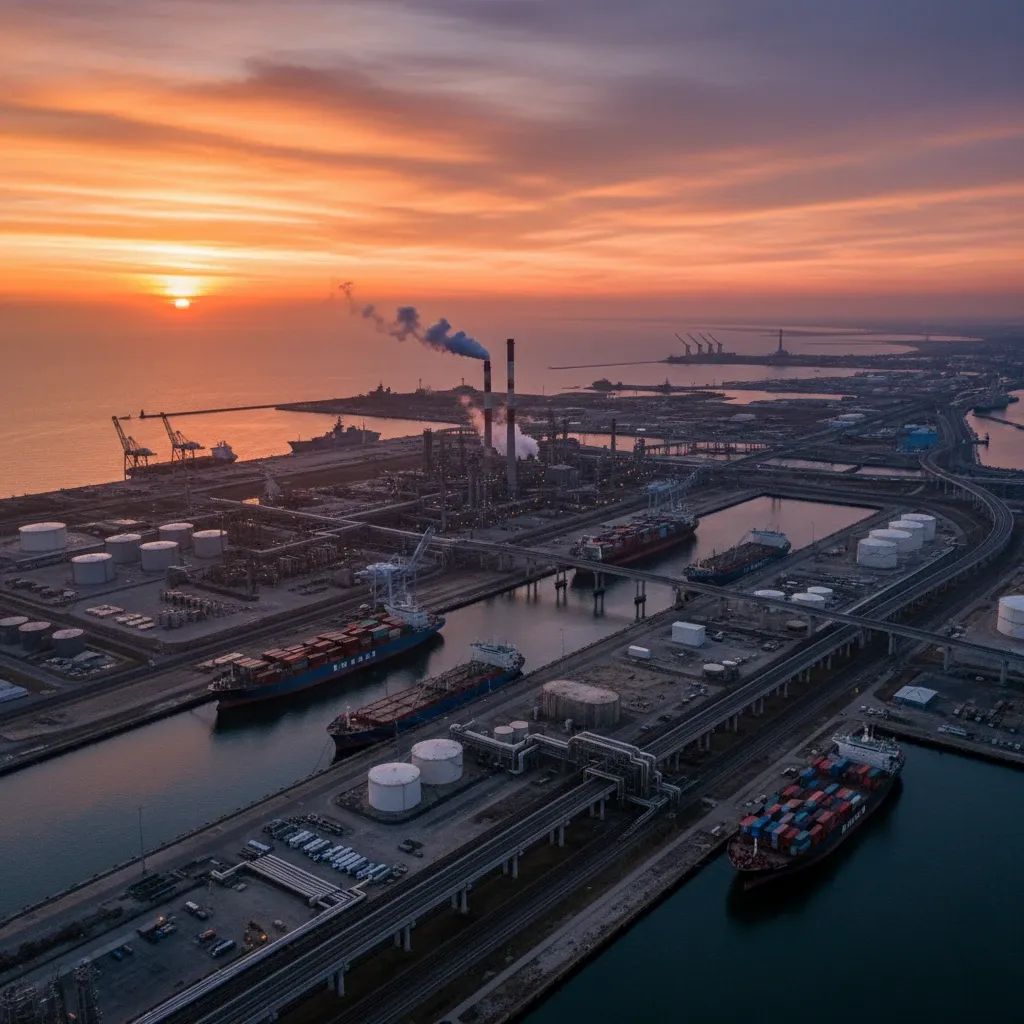
When Iran's drone strike hit the Sitra refinery on March 9, 2026, Bapco Energies formally declared force majeure on its global operations—a legal measure that suspends contractual obligations while the company assesses damage and coordinates repairs. The declaration signals to global energy markets that a critical regional refinery has been taken offline, raising questions about supply continuity across the Gulf and potential ripple effects for energy costs throughout the region, including in the UAE.
What Happened:
The attack damaged critical units at the Sitra refinery complex, triggering an immediate emergency response. Bapco Energies issued a statement assuring stakeholders that all local market needs in Bahrain remain fully secured through proactive planning and strategic measures. The company did not disclose specific timelines for repairs or the extent of operational capacity reduction, citing ongoing damage assessments.
What Force Majeure Means:
Force majeure is a legal mechanism that shields companies from breach-of-contract liability during extraordinary circumstances beyond their control. By invoking it, Bapco Energies protects itself from lawsuits by customers and trading partners awaiting contracted deliveries while the refinery undergoes repairs. However, the declaration also confirms to global markets that the facility cannot fulfill export contracts in the near term—reducing refined product supplies into established trade channels.
The Sitra Refinery's Significance:
The Sitra facility processes 405,000 barrels per day and supplies refined products to export markets across the region and beyond. It is also a critical source of refined fuels for Bahrain's domestic market and a contributor to the kingdom's government revenue. Any extended downtime creates both immediate supply concerns and longer-term fiscal pressure for Bahrain's budget.
Implications for Energy Markets:
The attack is the latest in a series of drone strikes targeting energy infrastructure across the Gulf. Combined with heightened regional tensions, the incident has prompted energy traders to price in a geopolitical risk premium on crude oil and refined products. This premium typically translates into higher costs at the pump and elevated energy input prices for electricity and water utilities across the region.
For UAE residents and businesses, the most direct impact flows through energy costs. Refineries across the region operate in an interconnected supply network. When a major facility like Sitra goes offline, remaining refineries face increased demand and higher margins on refined products. These costs eventually flow through to utility bills and transportation expenses for residents and businesses throughout the UAE, though the impact may be gradual and modest in the short term.
What This Means for Residents:
In the immediate term, fuel availability at pumps should remain stable, as governments maintain strategic reserves and can activate import channels. However, residents can expect upward pressure on energy-related costs over coming weeks:
• Utility bills may see modest increases as electricity and water costs reflect higher input prices
• Transportation costs may tick higher as fuel surcharges pass through taxi, delivery, and shipping networks
• Consumer goods could face slight price pressures if businesses absorb higher logistics costs
These increases are typically gradual, not sudden, as markets adjust to the new supply reality.
Looking Forward:
Bapco Energies has pledged to communicate updates to stakeholders as damage assessments and repair planning progress. The broader regional energy picture remains fluid, with geopolitical tensions continuing to create uncertainty around Gulf infrastructure. Energy planners across the region, including in the UAE, are likely to accelerate diversification efforts—including renewable energy projects, liquefied natural gas imports, and energy efficiency measures—to reduce dependence on any single refinery or supply route.
The force majeure declaration underscores a reality that Gulf energy markets face increasingly: critical infrastructure now operates under heightened vulnerability, and contingency planning is essential for both governments and businesses seeking to maintain stability and manage costs in an uncertain environment.


