
Bottom Line
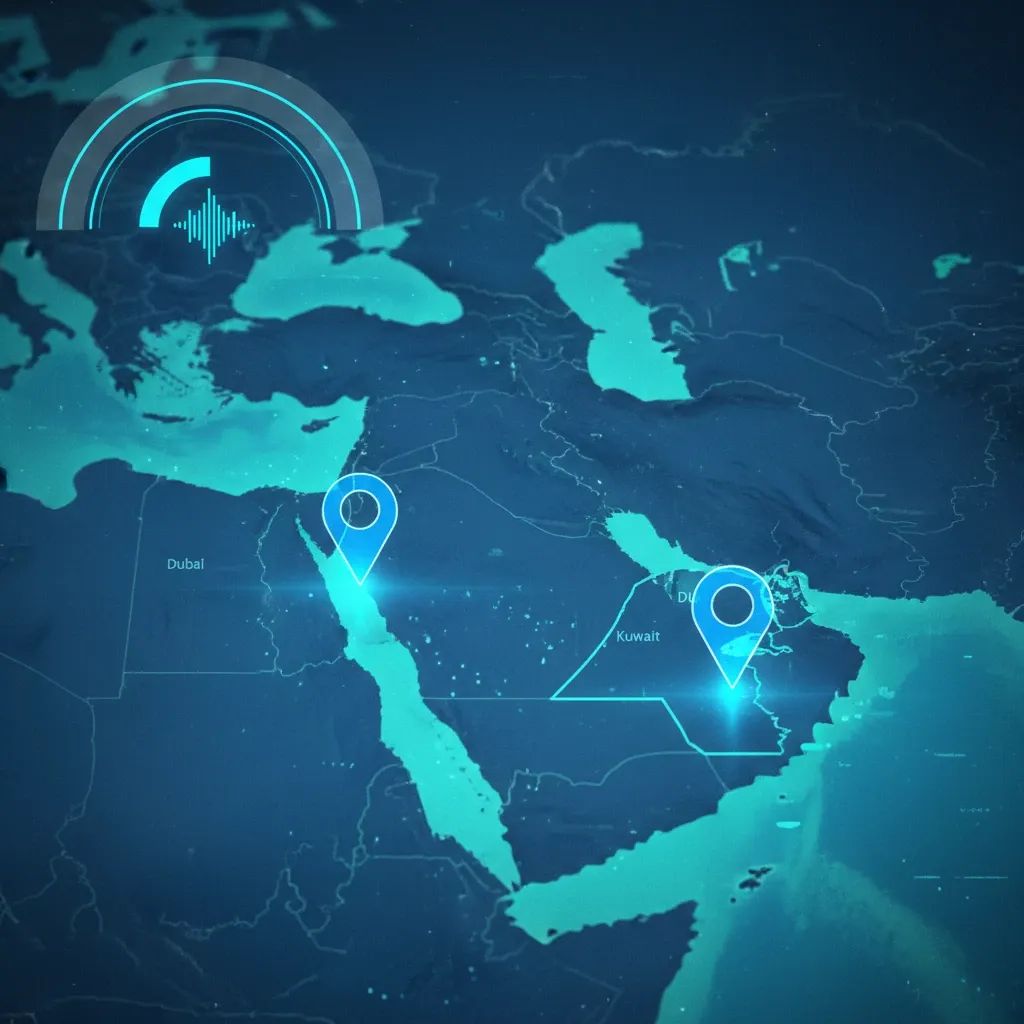
The United Arab Emirates and Kuwait have jointly condemned what their leaders described as Iranian attacks targeting their territories, according to a statement from the UAE leadership. This diplomatic response reflects growing tensions in the region and marks an important moment for both nations to publicly align on security concerns affecting the Gulf. For the expatriate communities in both countries, understanding the developing situation and knowing practical preparedness steps is essential.
What We Know From Official Sources
The UAE and Kuwait governments issued a joint diplomatic statement condemning attacks attributed to Iran. The statement emphasized that these actions represent threats to regional security and stability. Both nations' leaders discussed the incidents and reaffirmed their commitment to protecting their citizens and residents.
Beyond this official confirmation, details about the specific nature, scale, and impact of the attacks remain limited in official public statements. Regional security analysts have reported that Iran conducted military operations in response to recent regional tensions, but comprehensive information about casualties, infrastructure damage, or specific targets is still emerging.
Regional Context: Understanding the Escalation
The Middle East has experienced heightened tensions in recent weeks following military operations in the region. Iran has indicated its actions were in response to perceived threats to its interests. The broader geopolitical situation involves multiple international actors and competing interests across the Gulf, creating an unpredictable security environment.
Oman and Qatar are expected to engage in diplomatic mediation efforts to prevent further escalation. Historically, these nations have successfully served as neutral intermediaries in Gulf disputes. Behind-the-scenes negotiations are likely underway to establish de-escalation frameworks and reduce tensions.
What This Means for Expatriates: Practical Guidance
For the millions of expats living in the UAE and Kuwait, here are concrete steps to take during this period of regional uncertainty:
Immediate Safety Measures:
• Register with your country's embassy or consulate for official alerts and assistance
• Stay informed through official government channels and established news sources
• Avoid speculative information on social media; verify updates through official UAE and Kuwait government announcements
• Download the UAE's official emergency notification app for real-time official alerts
• Maintain contact with family and colleagues through reliable communication channels
Emergency Preparedness:
• Prepare an emergency kit with essentials: 3 liters of water per person daily (for at least three days), non-perishable food, battery-powered radio, first aid supplies
• Keep copies of important documents (passports, visas, insurance policies, employment contracts) in both physical and digital formats
• Identify shelter locations in your home and workplace and familiarize yourself with emergency procedures
• Review your home and renters insurance policies to understand your coverage
Travel and Business Planning:
• Contact your airline or travel provider for the latest information on flight status
• Avoid unnecessary travel to the region if you're planning to arrive in the coming weeks
• For business operations, develop contingency plans in case of transportation disruptions
• Monitor official announcements regarding ports, airports, and maritime traffic
Employment Considerations:
• Maintain regular communication with your employer about any schedule or operational changes
• Sectors particularly monitoring the situation include aviation, shipping, tourism, and logistics
• Keep personal financial reserves available in case of temporary employment disruptions
• Understand your labor rights and company policies regarding emergency situations
The Diplomatic Path Forward
Despite public condemnations, regional governments are pursuing quiet diplomatic channels to de-escalate tensions. This apparent contradiction—stern rhetoric combined with behind-the-scenes negotiations—reflects the pragmatic approach Gulf nations have historically employed during crises.
The UAE and Kuwait are carefully preserving opportunities for negotiation rather than pursuing full diplomatic severance. This suggests that while the current moment is serious, regional leaders recognize that military escalation serves no party's long-term interests.
International organizations including the United Nations are monitoring the situation and calling for restraint from all parties. The global community recognizes that instability in the Gulf threatens international oil markets, shipping routes, and broader geopolitical stability.
Staying Informed and Protected
Given the evolving nature of this situation, residents and businesses should:
• Check official government websites regularly (UAE Ministry of Foreign Affairs, Kuwait government portals)
• Subscribe to embassy alerts from your home country
• Join community groups in your neighborhood that coordinate safety information
• Maintain realistic but not alarmist perspectives—the region has navigated crises before
• Support one another in your communities through this uncertain period
The situation remains fluid, and official announcements may change rapidly. The most reliable information comes from government sources, established international media outlets, and your country's diplomatic mission in the region.
What Residents Should Know About Regional Resilience
The UAE and Kuwait have demonstrated resilience through previous regional challenges. Both nations maintain robust infrastructure, professional emergency management systems, and experienced security forces. While vigilance is appropriate, panic is not warranted. Communities should remain calm, prepared, and informed.
For expatriates who have lived through previous regional tensions, current protocols will feel familiar. For those new to the Gulf, this is an opportunity to understand the region's capacity to manage challenges while maintaining essential services and economic functions.
Stay safe, stay informed, and take reasonable precautions—this remains the best approach for residents during periods of regional uncertainty.


