
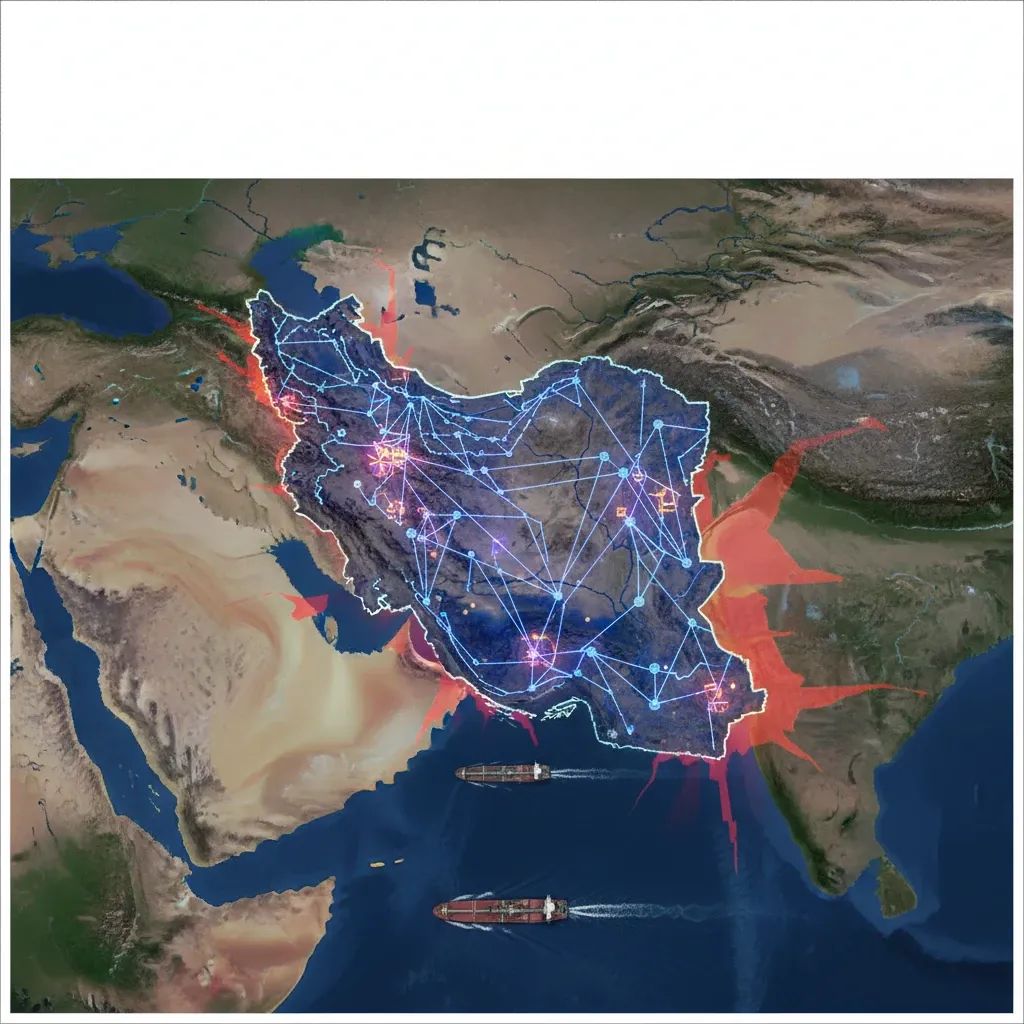
The United Arab Emirates and regional energy markets are monitoring crude pricing as Brent crude holds at $95.04 per barrel and West Texas Intermediate sits at $91.99—levels with implications for government revenues, consumer fuel costs, and investment portfolios across the Gulf.
Why This Matters
• Price levels near $95 provide reference points for UAE budget planning and ADNOC revenue projections
• OPEC+ meeting scheduled for June 7 will discuss production strategy and regional output commitments
• Geopolitical tensions in the Middle East are contributing to current pricing pressures
Energy Markets React to Regional Tensions
Oil markets opened with minimal movement following recent trading activity, with Brent futures at $95.04 per barrel and WTI at $91.99—levels reflecting ongoing market uncertainties related to Middle East dynamics.
For the United Arab Emirates economy, which has significant hydrocarbon interests, current pricing presents important considerations for fiscal planning. Regional energy security remains a focus given ongoing geopolitical complexities affecting global energy markets.
Production Adjustments in Focus
OPEC+ nations have implemented production adjustments as part of their ongoing strategic reviews. The United Arab Emirates officially exited OPEC on May 1 after prolonged discussions over production quota allocations, marking a significant development in regional energy politics.
The 41st OPEC and non-OPEC Ministerial Meeting scheduled for June 7 in Vienna will address long-term production policies and strategic frameworks for remaining members.
Market Dynamics and Forecasts
While current pricing is influenced by various factors including geopolitical tensions, long-term forecasts suggest varying scenarios for crude valuations. Energy analysts monitor inventory levels and supply-demand dynamics as key indicators for future price direction.
US Energy Information Administration and other forecasters provide guidance on expected price ranges, though considerable uncertainty exists around timeline and intensity of various market pressures.
Investment Implications for UAE Portfolios
Current market conditions create considerations for United Arab Emirates-based investors with energy sector exposure. Equity portfolios weighted toward ADNOC subsidiaries, regional exploration firms, and petrochemical manufacturers should monitor ongoing developments.
Fixed-income instruments and sovereign wealth fund positions remain relevant for diversified portfolios, with fund managers assessing various scenarios for energy market evolution. The Dubai Financial Market energy index reflects investor positioning ahead of key upcoming meetings.
Currency markets are also monitoring energy-related developments, with the UAE dirham's peg to the US dollar providing stability in foreign exchange markets.
What This Means for Residents
United Arab Emirates households and businesses should monitor energy cost developments as the year progresses. Transportation and utility cost implications depend on how energy markets evolve in coming months.
Commercial enterprises with energy cost exposure should consider their operational planning in light of current market conditions and various forecasted scenarios.
For investors, the current environment suggests maintaining diversified positioning across energy-related sectors. The June 7 OPEC+ meeting will provide important information for understanding energy market direction in the second half of the year.
Longer-term energy market dynamics will depend on how geopolitical factors develop and how global supply and demand patterns evolve. Market participants should follow official announcements and credible energy sector analysis for reliable guidance on these important developments.


