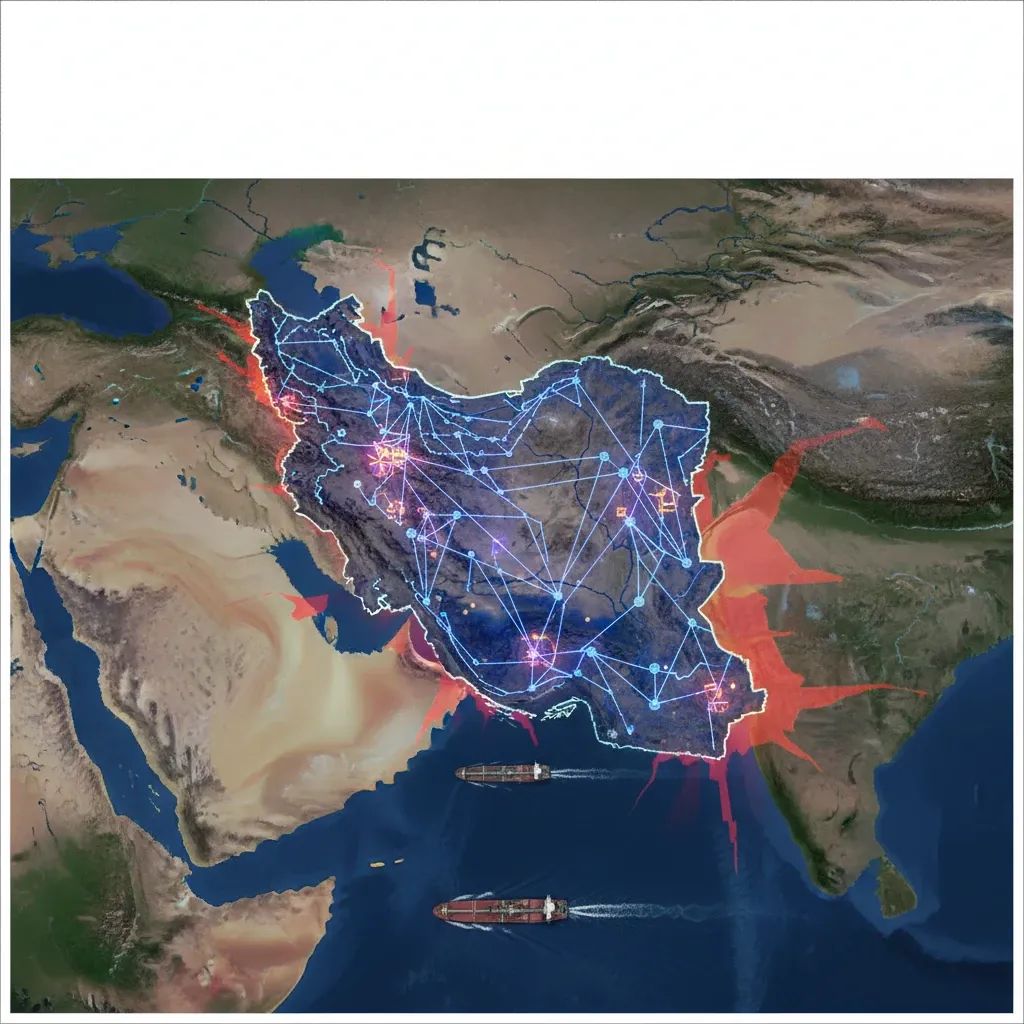
The United Arab Emirates precious metals market is watching gold slide toward its steepest weekly loss in six weeks, with spot prices hovering around $3,980 per ounce as of Friday morning—a downturn driven by escalating geopolitical tensions, rising oil costs, and market expectations that the US Federal Reserve will maintain elevated interest rates.
Why This Matters:
• Portfolio impact: Gold has shed 3.4% this week, its worst performance since early June, eroding gains for UAE-based investors and institutions holding bullion as an inflation hedge.
• Rate expectations: Market analysts are monitoring Federal Reserve policy closely, with expectations that the Federal Open Market Committee will maintain its current stance when it meets on July 28-29. Higher interest rates make non-yielding assets like gold less competitive against interest-bearing bonds.
• Energy and geopolitical factors: Analysts cite geopolitical tensions and oil market volatility as contributing factors to market dynamics, though the specific impact on gold remains subject to debate among traders and investors.
• Silver and platinum follow: Silver fell 0.6% to $55.20, platinum dropped 1.1% to $1,599, and palladium eased 0.4% to $1,244—all headed for weekly losses.
The Inflation-Interest Rate Dynamic
Gold's role as a traditional safe haven continues to be tested by economic realities. Market analysts note that geopolitical events can have complex effects on precious metals pricing. According to market commentary, some traders believe that concerns about inflation may convince the Federal Reserve to maintain or consider tightening monetary policy in the coming months.
Higher interest rates increase the opportunity cost of holding gold, which yields no dividend or coupon. With Treasury yields climbing, interest-bearing securities have become more attractive to some investors. Real yields—nominal returns adjusted for inflation—are cited by analysts as an important metric when evaluating gold's relative attractiveness compared to other assets.
Recent Federal Reserve communications have emphasized price stability concerns, and market participants are pricing in the possibility of multiple policy adjustments by year-end, though most analysts expect the immediate outcome to depend on fresh economic data.
Technical Analysis and Market Dynamics
Spot gold touched its lowest level since July 1 during Friday's session, extending a correction from earlier highs. According to technical analysts, various indicators have signaled caution for the precious metals market.
Banking and investment analysts have offered varying perspectives on gold's near-term trajectory, with some suggesting support levels may be tested in coming weeks. Following the rally through 2025, institutional investors have engaged in profit-taking. Market analysts note that hedge funds and commodity trading advisors may be reducing long positions in futures markets, while strong equity market performance has encouraged some capital rotation into stocks, potentially reducing demand for traditional safe havens.
Currency and Market Factors
The US Dollar Index has strengthened, making gold more expensive for international buyers holding dirhams, euros, or yuan. This is particularly relevant for UAE-based investors and jewelry businesses, which source gold priced in dollars but often transact in local or regional currencies.
Market analysts observe that geopolitical developments and energy market dynamics can influence precious metals pricing through multiple channels, though the precise relationship between these factors and gold prices remains complex and subject to varying interpretations.
What This Means for UAE Investors and Businesses
For UAE-based portfolio managers, the current environment requires reassessment of asset allocations. Gold's traditional role as an inflation hedge is being evaluated in light of interest rate considerations. However, investors with longer time horizons may view current price levels through a different lens depending on their outlook for inflation and monetary policy.
Jewelry retailers and bullion dealers in Dubai and Abu Dhabi are closely monitoring price levels, as changes in gold prices directly impact their operations. A weaker gold price could potentially stimulate consumer demand ahead of seasonal periods, while sustained weakness may affect trader margins and inventory decisions.
Central bank reserves remain a structural consideration for gold markets. Sovereign buyers, including several in the Gulf region, continue to diversify their foreign exchange holdings, and central bank activity remains a factor that market observers monitor.
Forward Outlook: Market Perspectives
Market analysts have offered varied perspectives on gold's near-term direction. Some suggest gold may trade within a range in the coming weeks, with the direction depending on developments in Fed policy, inflation data, and broader economic conditions. The July 29 Fed decision is expected to be an important catalyst for market direction.
According to various market sources, longer-term outlooks for gold vary considerably, with some analysts maintaining positive views on gold's prospects over the medium to long term, particularly if economic conditions shift or inflation concerns persist.
Practical Considerations for Residents
UAE residents holding gold as part of their savings or retirement portfolios should reassess allocations in light of the current interest rate environment. For those considering entry points, some analysts view the current correction as potentially interesting for long-term holders, particularly pending clarity on future monetary policy direction.
Businesses exposed to gold—whether through inventory, hedging, or trade finance—should monitor spot prices, interest rate dynamics, and currency movements. The dirham's peg to the dollar provides some stability for UAE-based operations, though it also means that moves in the Dollar Index influence purchasing power relative to other gold-buying nations.
As market participants await the July 29 Fed decision and related communications, gold's path will likely remain influenced by the interplay of geopolitical developments, energy market dynamics, and monetary policy expectations. Until then, gold's direction will reflect the complex calculations of market participants weighing multiple factors.