
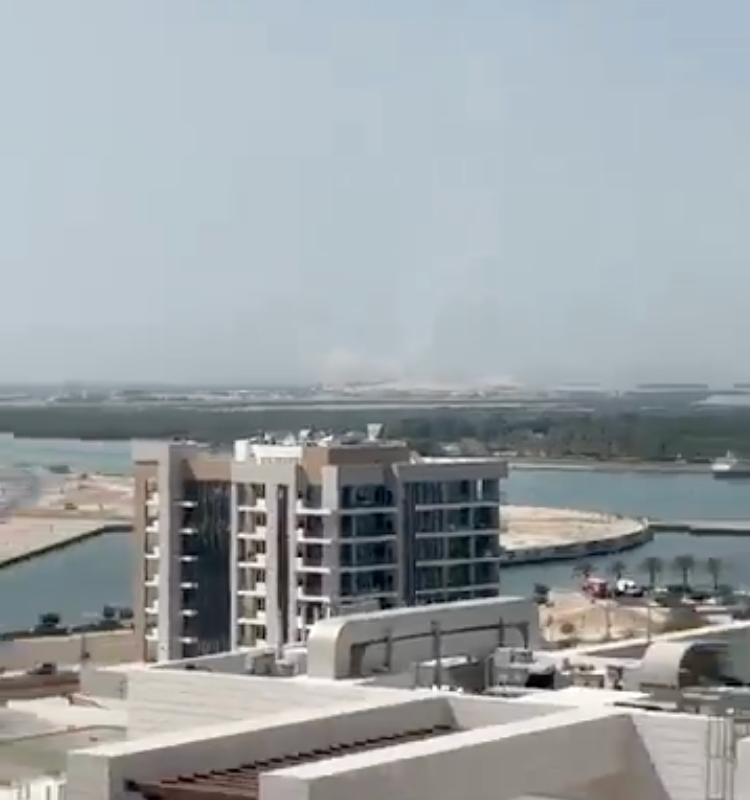
The United Nations is intensifying diplomatic efforts to protect Middle East civilian infrastructure from attack, warning that destruction of energy and water facilities may violate international humanitarian law. The push includes formation of a specialized task force focused on maintaining critical shipping routes and establishing humanitarian corridors in the region.
The UN's Growing Concern
Amid escalating regional tensions, UN Secretary-General António Guterres has expressed deep concern about threats to civilian infrastructure—particularly energy facilities, desalination plants, and vital shipping routes. The UN emphasizes that such infrastructure is essential to civilian survival and that targeting it may constitute violations of international humanitarian law under the Geneva Conventions.
The situation has prompted accelerated diplomatic action. On March 25, Jean Arnault was appointed as the UN Secretary-General's Personal Envoy to address the escalating tensions. His mandate includes halting escalation, exploring pathways to settlement grounded in international law, and assessing spillover effects on civilians and the global economy. Diplomatic sources indicate his mission encompasses engagement with multiple regional stakeholders and existing mediation channels.
A New Initiative: The Strait of Hormuz Task Force
On March 27, Secretary-General Guterres announced formation of a specialized humanitarian task force to address potential shipping disruptions through the Strait of Hormuz, one of the world's most critical energy chokepoints. Led by Under-Secretary-General Jorge Moreira da Silva of the UN Office for Project Services, the group includes experts from the International Maritime Organization, the UN Conference on Trade and Development, and the International Chamber of Commerce.
The task force's objective is to design technical mechanisms ensuring safe passage of essential goods—particularly fertilizers and raw materials—through contested waters. The initiative draws precedent from the Black Sea Grain Initiative and the UN Verification, Inspection and Monitoring Mechanism deployed in Yemen, both of which established neutral inspection and certification protocols in conflict zones.
On March 28, Iran's UN envoy indicated Tehran would "facilitate and further expedite" the passage of humanitarian goods—a signal that diplomatic experts read as tacit endorsement of an inspection regime. Operationalizing this will require cooperation from Israel, the United States, and Gulf states, plus agreement on neutral monitoring personnel, vessel certification standards, and naval escort protocols.
As of early April, consultations remain preliminary. Shipping industry representatives emphasize that any credible safe-passage arrangement must include real-time satellite tracking, third-party insurance validation, and transparent rules of engagement for naval forces.
Why This Matters for UAE Residents and the Region
For people living and working in the United Arab Emirates, regional stability and secure shipping routes are significant concerns. The UAE is heavily dependent on maritime trade through the Strait of Hormuz for energy imports and global commerce. The UAE's ports—including Jebel Ali and Khalifa Port—serve as vital regional hubs, and any disruption to shipping could affect supply chains, shipping costs, and ultimately consumer prices.
Additionally, the region depends significantly on energy supplies and agricultural imports. Potential disruptions to these critical supplies underscore why the UN's efforts to establish safe passages and protect infrastructure are important for regional economic stability and the wellbeing of residents across the Gulf Cooperation Council (GCC) nations.
International Humanitarian Law and Accountability
International humanitarian law, codified in the Geneva Conventions and their Additional Protocols, establishes that civilian infrastructure is protected from attack unless it directly contributes to military operations. Even then, attackers must weigh expected civilian casualties against anticipated military gain—a principle termed proportionality.
The UN has emphasized that all parties to regional conflicts must respect these protections. The International Criminal Court holds jurisdiction over war crimes, though enforcement has historically proven challenging due to geopolitical considerations and questions of state participation in international treaties.
The Road Ahead
The UN's multifaceted approach—combining diplomatic envoys, task force initiatives, and legal advocacy—reflects the organization's assessment that preventing infrastructure destruction is essential to protecting civilians and maintaining regional stability. The coming weeks will be critical in determining whether diplomatic channels can establish workable frameworks for safe passage and conflict de-escalation.
For residents and businesses in the UAE and across the region, the success of these initiatives could significantly impact economic stability, supply chain resilience, and long-term regional security.


