
UAE Weather Forecast: Sunday Brings Scattered Rain, Dust, and Temperature Swings
The United Arab Emirates is in for a shift in weather patterns on Sunday, March 23, as the National Centre of Meteorology forecasts scattered showers, dusty conditions, and a notable temperature drop across inland regions. This represents a departure from the region's typical dry March conditions and warrants attention from residents planning outdoor activities or travel.
What the NCM Forecast Shows
According to the latest National Centre of Meteorology bulletin, Sunday will bring partly cloudy to cloudy conditions with scattered showers across northern emirates, Al Ain, and eastern regions. Coastal areas including Dubai and Abu Dhabi will experience lighter precipitation. Humidity levels are projected to reach up to 95% in coastal and island locations, creating uncomfortable conditions despite moderate temperature readings.
Inland elevations in Al Ain and mountainous regions will experience more pronounced cooling, with minimum temperatures potentially dropping to 17-20°C—a significant change from typical late-March warmth. Coastal areas like Fujairah will remain more moderate, with highs around 27°C. This geographic temperature variance across the emirates means residents should prepare for rapid shifts when moving between air-conditioned indoor spaces and outdoor environments.
Wind and Visibility Concerns for Sunday Travel
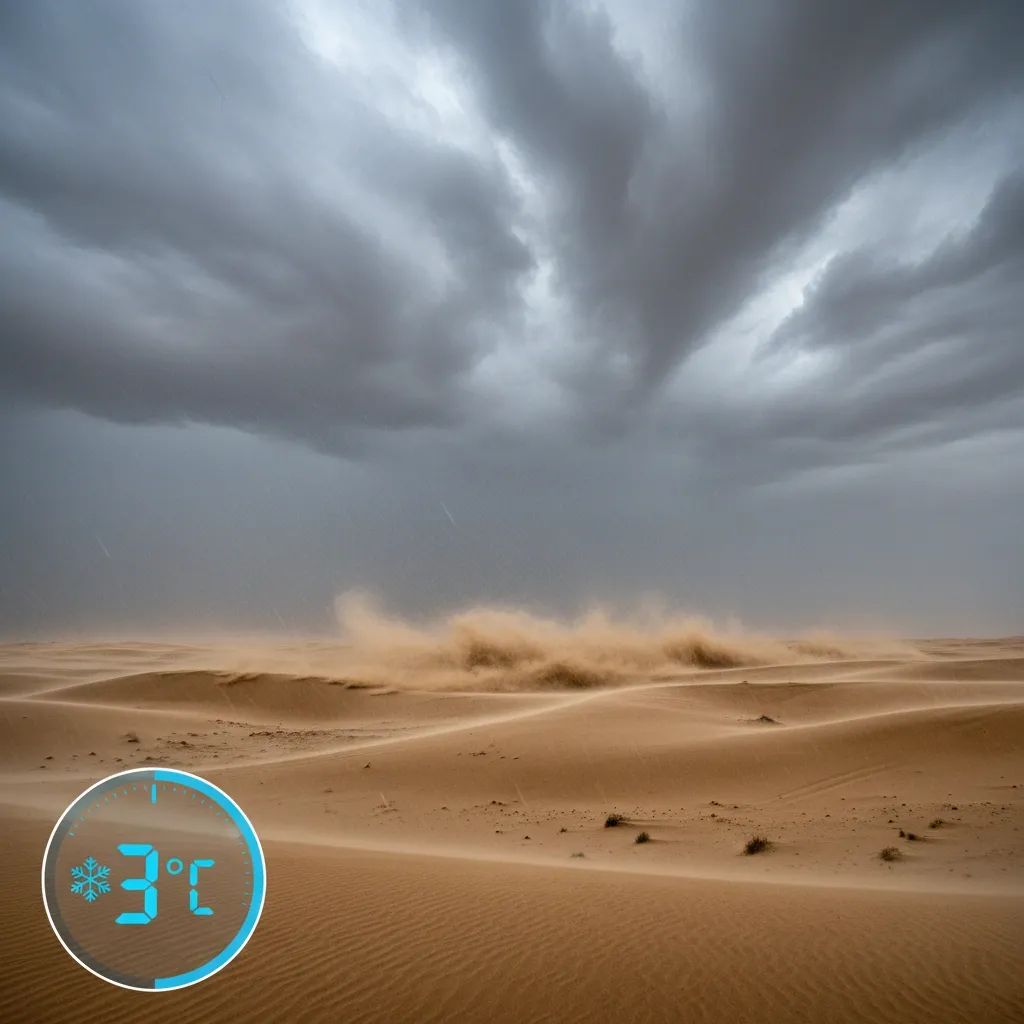
Sustained winds of 10-25 km/h, gusting to 45 km/h, will drive sand and dust particles across exposed areas, particularly on major highway corridors. This wind activity will reduce visibility on routes including the E11 expressway between Abu Dhabi and Dubai and Route 66 toward Hatta, with visibility potentially degrading significantly during peak wind periods.
This timing is critical for commuters. Sunday morning and evening represent peak travel windows, and the combination of reduced visibility from dust, wet road surfaces from intermittent showers, and wind-induced vehicle movement creates hazardous driving conditions. The United Arab Emirates Traffic Authority advises drivers to:
• Reduce speed appropriately for visibility conditions
• Maintain increased following distances from other vehicles
• Use activated headlights and hazard lights when visibility is restricted
• Avoid unnecessary travel during peak wind activity (particularly early morning and evening hours)
Sea Conditions and Maritime Activity
The Arabian Gulf and Oman Sea will transition to moderate-to-rough conditions with wave heights reaching 2-3 meters at times. Commercial shipping through the Strait of Hormuz remains operationally viable, but recreational boating is inadvisable on Sunday. The Dubai Maritime Rescue services operates around-the-clock but advises mariners to exercise caution during this period.
Aviation Considerations
Flight operations at Dubai International and Abu Dhabi International airports remain scheduled, though passengers should monitor flight status directly given the combination of dust-driven visibility reduction and potential wind activity. Evening departures Sunday and early-morning arrivals Monday should allow additional time for potential minor delays. Confirmation of flight status is recommended before heading to the airport.
Infrastructure and Essential Services
Residents should be aware that this weather pattern may impact some essential services during peak rainfall periods. Practical preparation includes:
• Charging portable devices and maintaining backup power solutions
• Ensuring adequate water reserves at home
• Stocking non-perishable food items and medications
• Confirming workplace and school contingency protocols, if any have been announced
The UAE's electricity and water utilities have implemented weather-resilience improvements in recent years, but brief interruptions during peak activity remain possible in some areas with older infrastructure.
Humidity and Health Considerations
The extreme humidity projected for coastal areas—up to 95%—creates conditions where perspiration cannot evaporate effectively, potentially causing heat stress even at moderate temperatures. Elderly residents, young children, and individuals with respiratory conditions should be particularly cautious about prolonged outdoor exposure during Sunday's peak humidity hours. Those with asthma or similar conditions should monitor air quality advisories and consider limiting outdoor activity when visibility is reduced from dust.
Eid Celebrations: Planning Considerations
For residents planning Eid Al Fitr activities, Sunday's weather conditions warrant practical adjustments. While outdoor activities remain possible with proper precautions, families may prefer to prioritize indoor venues or covered structures through Sunday evening. Event organizers and families should confirm venue arrangements and monitor NCM updates directly before committing to plans.
The northern emirates—Ras Al Khaimah, Fujairah, and Umm Al Quwain—will see higher rainfall probability, so residents in these areas should take extra care in confirming arrangements.
March Weather Context in the UAE
Historically, March represents the tail end of the UAE's traditional rainy season, typically characterized by marginal rainfall. Dubai historically experiences rain on roughly 4 days in March with approximately 10-15mm accumulation. However, recent years have shown increased variability in spring weather patterns, with residents experiencing more frequent weather events than historical averages. Sunday's forecast reflects this evolving seasonal pattern.
Practical Action Items for Sunday
• Monitor National Centre of Meteorology updates through Sunday for any forecast refinements
• Stock essential supplies—water, medications, food—this evening rather than during peak weather periods
• Confirm workplace and school protocols regarding Sunday operations
• For vehicle operators: Plan travel timing to avoid peak wind activity; assume 30-50% longer travel times on major highways during peak wind periods
• For Eid celebrations: Prioritize indoor venues or covered structures; reschedule outdoor activities to Monday and beyond if forecast conditions persist
• Elderly residents and families with young children should limit outdoor exposure during peak dust and humidity periods
The weather phenomenon arriving Sunday represents typical spring variability for the UAE—manageable with appropriate preparation and awareness. The UAE's infrastructure and governance systems are calibrated for this type of weather event, but individual situational awareness and adjusted travel behavior remain essential safeguards during peak activity windows.


