UAE Travelers to Bangkok Now Skip Immigration Lines — But Only After This First Step
The UAE Ministry of Foreign Affairs and Thailand’s Immigration Bureau have finalized an agreement allowing Emirati passport holders to use automated eGates at Suvarnabhumi Airport by end of August 2026, a move that slashes entry delays for frequent travelers and reflects deepening ties between two of Asia’s most digitally advanced mobility hubs. This isn’t a luxury perk — it’s a systemic upgrade that transforms how 170,000 annual UAE visitors experience entry into Thailand.
Why This Matters
• First Visit Still Requires Manual Check: You must pass through a traditional counter to have your biometrics registered — no exception. Without this, future eGate use is blocked.
• TDAC Is Non-Negotiable: Submitting the Thailand Digital Arrival Card within 72 hours of departure is mandatory — even for eGate users. The system won’t clear you without it.
• 53% of All Arrivals Now Use Smart Gates: Thailand’s expansion to 33 nationalities — including the UAE, Germany, Japan, Australia, and the UK — means over half of Suvarnabhumi’s 70,000 daily arrivals bypass counters, reducing bottlenecks at peak hours.
• No Visa Waiver Change: Your 30-day visa exemption remains unchanged. This upgrade only affects how you enter — not whether you can.
The Hidden Process Behind the Fast Lane
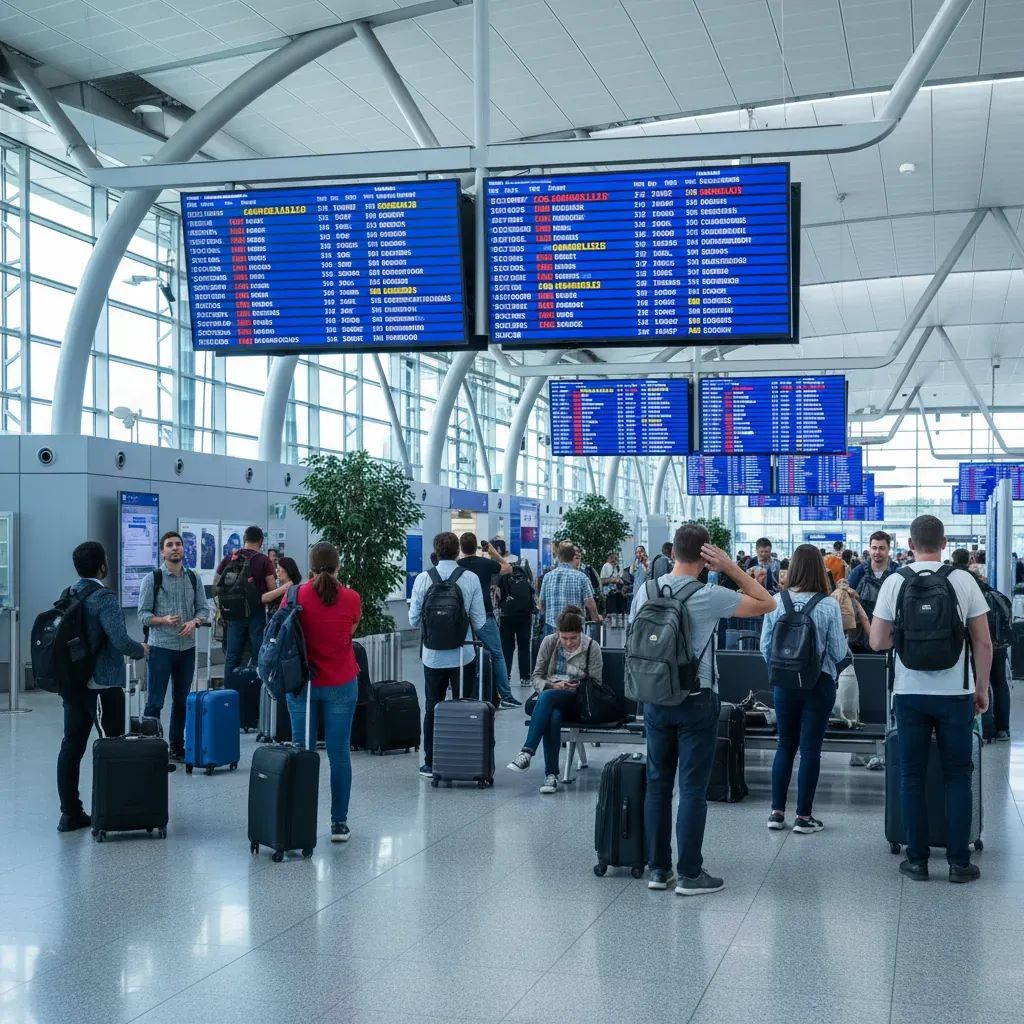
What most travelers miss is that the smart gate isn’t just a faster scanner. It’s a live link between Thailand’s Immigration Management System (THIM) and your passport’s encrypted biometric data. When you walk up to an eGate, the system checks three things simultaneously: your passport chip, your facial match against your first-registration photo, and your TDAC status. If all three align, the gate unlocks in under 10 seconds.
But here’s the catch: the first time you arrive, you’re still in the same long line as everyone else. Your passport is scanned, your face is photographed, your fingerprints are captured — all manually, by an officer. Only then is your profile locked into THIM, turning your passport into a digital key. This isn’t optional; it’s how Thailand prevents identity fraud, especially for visa-exempt travelers.
This process mirrors what Dubai International does for returning residents — but with one twist: Thailand doesn’t yet share its biometric database with UAE systems. Your data stays in Bangkok, not the Emirates. That means if you’ve used eGates in Phuket or Chiang Mai before, you still need a manual check for your next Suvarnabhumi arrival.
What This Means for Residents
For UAE residents who fly to Thailand regularly — whether for medical procedures, short-term rentals, or business inspections — this change significantly reduces waiting times, making arrivals smoother and more predictable.
If you’re a digital nomad planning a long-term stay in Chiang Mai or the Phuket coast, this isn’t just about convenience — it’s about predictability. Imagine landing at 6 a.m., walking through immigration without a single queue, catching the Skytrain, and being at your apartment before most locals have their coffee. That’s the new normal.
The timing aligns with increasing flight frequencies between the UAE and Thailand, including Etihad’s expanded services from Abu Dhabi. With over 15 flights per day now linking the two nations, this upgrade ensures capacity matches demand.
Importantly, this isn’t charity. Thailand selected nationalities based on lowest visa overstay rates, strongest passport security, and existing bilateral security data exchanges. The UAE ranks in the top 3 globally for passport strength, and since the 2020 visa waiver, its citizens have had near-perfect compliance records. Thailand didn’t open the gates because UAE travelers are ‘special’ — they opened them because the data says it’s safe.
For investors, this signals something bigger: Thailand is building infrastructure not just for tourists, but for residents. If a country is investing in frictionless entry for 33 nationalities, it’s signaling it welcomes long-term, high-value mobility. This wasn’t just done for Emiratis — it was done for everyone who might one day choose to live here.
The next phase? Thailand is testing biometric passport renewal kiosks at major airports. One day soon, you may be able to renew your visa extension or extend your stay right at the airport — no visit to immigration office needed. That’s the horizon.
For now, the message is clear: the gate doesn’t just open. It recognizes you.