
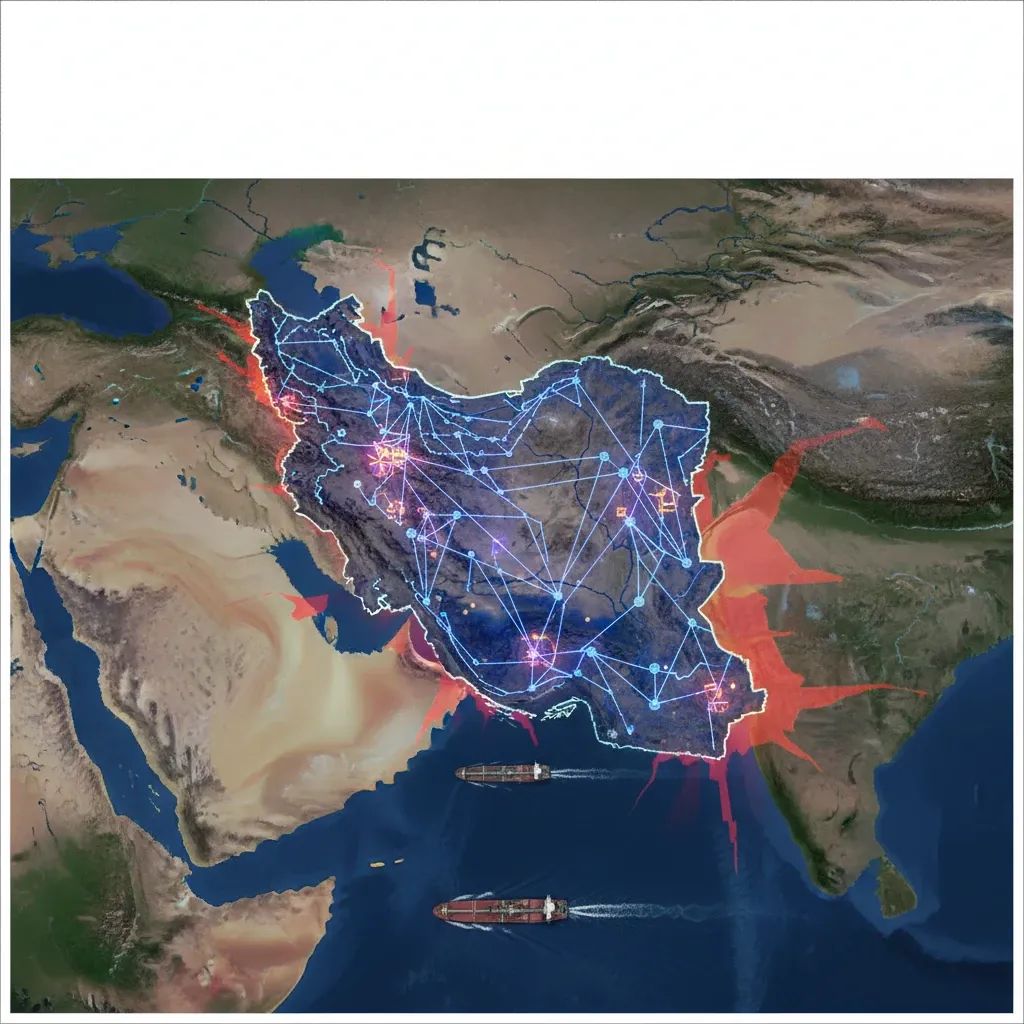
United Arab Emirates residents and businesses are feeling the impact of a significant surge in global oil prices, with Brent crude reaching $83.30 per barrel on July 14, 2026—a 9.6% jump that carries both immediate and longer-term implications for the UAE's economy.
Why This Matters
• Economic boost: Higher oil revenues strengthen the UAE's fiscal position, supporting government services and infrastructure projects.
• Consumer impact: Rising energy costs typically feed through to petrol prices at the pump and transportation expenses over the following weeks.
• Market sensitivity: Global oil markets remain volatile, with prices responding to supply concerns and regional dynamics in the Middle East.
• Renewable opportunity: Higher crude prices improve the economic case for clean energy investments, accelerating the UAE's diversification strategy.
The Price Movement
West Texas Intermediate (WTI) crude closed at $78.14 per barrel, marking a 9.4% gain. Both benchmarks reflect broader market concerns about global oil supply stability and geopolitical tensions affecting production in the region.
What This Means for UAE Residents
For individuals and businesses in the United Arab Emirates, the price increase will likely translate to higher petrol costs at service stations in the coming weeks, as local prices typically adjust to reflect global benchmarks with a slight lag.
For businesses—particularly those in logistics, aviation, and transportation—rising fuel costs represent an operational consideration that may affect service pricing and supply chain expenses. Manufacturing sectors reliant on energy inputs may also experience cost pressures.
The Broader Context
Middle Eastern geopolitical tensions continue to influence global oil market sentiment, with analysts citing supply concerns as a key driver of current price levels. However, longer-term trends tell a different story. Electric vehicle adoption is gradually reducing global oil demand, and renewable energy investments are expanding globally.
The United Arab Emirates is strategically positioned to benefit from elevated oil revenues while simultaneously investing in renewable energy infrastructure and economic diversification—a dual-track approach that positions the country well regardless of future energy market direction.
Market Outlook
Oil prices remain volatile and subject to supply disruptions and geopolitical developments. While near-term forecasts vary among analysts, the fundamental shift toward renewable energy and efficiency improvements is expected to continue shaping energy markets through 2026 and beyond.


