
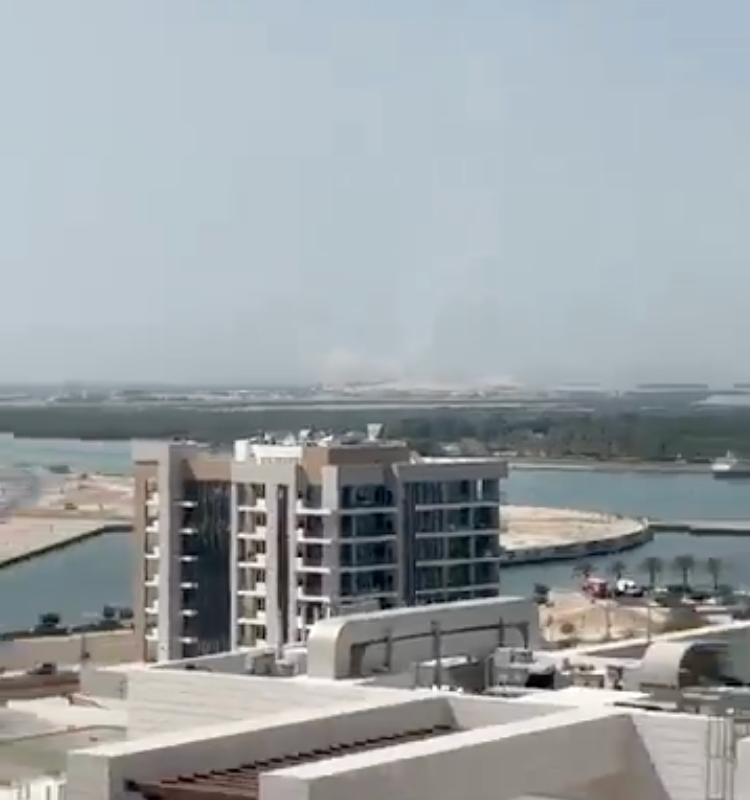
Global crude benchmarks jumped more than 3% on Monday as geopolitical tensions in the Middle East pushed oil markets into focus, reminding traders that energy supply remains vulnerable to regional disruptions.
Why This Matters
• Brent crude settled at $78.68 per barrel, while West Texas Intermediate (WTI) closed at $73.89, both climbing more than 3.4% in a single session.
• The Strait of Hormuz carries approximately 20% of global oil consumption—any disruption would send shock waves through energy markets and affect costs across the global economy, including in the United Arab Emirates.
• Analysts point to geopolitical risk premiums now present in pricing, even as fundamentals point toward potential oversupply later in the year.
• OPEC+ has signaled flexibility in its production management in response to market conditions and geopolitical developments.
Regional Energy Vulnerabilities
The Middle Eastern geopolitical situation remains a critical factor for global oil markets. The Strait of Hormuz—just 21 miles wide at its narrowest point—funnels approximately 25% of global seaborne crude trade and serves as a primary export route for Gulf producers, including the United Arab Emirates.
The region has experienced heightened tensions at various points in 2026, with concerns about potential supply disruptions affecting market sentiment and pricing. Historical examples show how escalations in the region can rapidly impact energy markets, with past incidents demonstrating oil's sensitivity to Middle Eastern developments.
For the United Arab Emirates, which relies on the Strait to export much of its crude production, the strategic importance of regional stability cannot be overstated. As both a producer and importer of refined products, the country's economy remains sensitive to energy-price volatility. The country's diversified economy—from aviation to logistics—depends on stable energy markets.
What Drove the 3% Single-Session Spike
Beyond the broader geopolitical backdrop, several technical and fundamental factors contributed to Monday's move:
Summer demand seasonality plays a supporting role. Northern Hemisphere travel peaks in July and August, lifting gasoline consumption and tightening the crude supply-demand balance. Refiners also switch to costlier summer-blend formulations, which indirectly supports crude prices.
Market sentiment and risk perception add another layer to pricing. When regional tensions increase, traders typically add a geopolitical premium to oil prices, reflecting uncertainty about potential supply disruptions.
U.S. economic resilience continues to underpin oil demand expectations. Manufacturing activity and job growth have remained robust, sustaining consumption of diesel and jet fuel.
Analysts note that energy price volatility can reshape investor portfolios and corporate budgeting across sectors. For airlines, shipping companies, and energy-intensive manufacturers operating in or through the United Arab Emirates, this translates directly into operating-cost considerations and planning adjustments.
Impact on Residents and Businesses
The United Arab Emirates plays a dual role in global energy markets: it exports crude and imports refined products such as gasoline and diesel. Oil price movements at these levels affect both government revenues and consumer-related costs.
Fuel prices at retail are linked to international benchmarks with a lag of several weeks. If Brent remains elevated through the end of July, residents should monitor potential adjustments to petrol and diesel pump prices in early August.
Logistics and freight operators monitor fuel costs closely. Higher energy prices ripple through supply chains, from trucking to cold storage, and can eventually appear in consumer goods pricing. The aviation sector—crucial to the United Arab Emirates' role as a global hub—tracks jet-fuel expenses, which affect carrier economics and investment decisions.
Import-reliant industries, including construction and manufacturing, must consider energy input costs when evaluating project economics. Developers and contractors increasingly incorporate energy-cost contingencies into contract pricing and planning.
On the positive side, state-owned energy companies and the sovereign wealth sector benefit from higher energy revenues, which can support capital programs and strategic initiatives.
The Forecast Puzzle: Market Perspectives
Market participants hold varying views on oil prices for the remainder of 2026. Key forecasting institutions and financial institutions continue to monitor developments, with price expectations ranging based on different assumptions about supply, demand, and geopolitical stability.
Consensus themes include:
• Summer seasonal support for crude prices
• Ongoing importance of OPEC+ production decisions
• Significance of non-OPEC supply growth
• Continued relevance of Middle Eastern geopolitical dynamics
The International Energy Agency and other institutions monitor global supply-demand balances, with recognition that regional stability plays an important role in price formation.
Navigating the Current Environment: Practical Steps
For United Arab Emirates residents and businesses, the message is clear: monitor energy markets and plan accordingly. Here are practical considerations:
Cost management: Companies with significant diesel or jet-fuel exposure should evaluate cost-management strategies and budget planning that account for energy-price dynamics.
Budgeting considerations: Households should review transportation and utility budgets in light of current energy-market conditions.
Supply-chain awareness: Importers and distributors should monitor energy markets and maintain awareness of how fuel costs might affect logistics expenses.
Business planning: Companies should incorporate energy-cost flexibility into planning and budgeting processes, given the demonstrated volatility in oil markets.
Policy awareness: Keep informed about OPEC+ developments and any statements from the United Arab Emirates Ministry of Energy and Infrastructure regarding market developments.
The Bigger Picture
Monday's 3% rally underscores an important reality of current oil markets: geopolitical risk affects energy pricing. Energy markets remain sensitive to regional developments, and the Strait of Hormuz continues to be strategically important to global supply.
For the United Arab Emirates, as both a producer and consumer of energy, market movements create both opportunities and challenges. Higher prices affect government revenues and economic planning, while also influencing consumer costs and business expenses.
The key question for coming months is how regional developments unfold and whether energy markets stabilize. Until greater clarity emerges, residents and businesses should remain aware of energy-market dynamics and incorporate this awareness into planning and decision-making. In the current environment, staying informed and maintaining flexibility in business planning and budgeting decisions remains prudent.


