
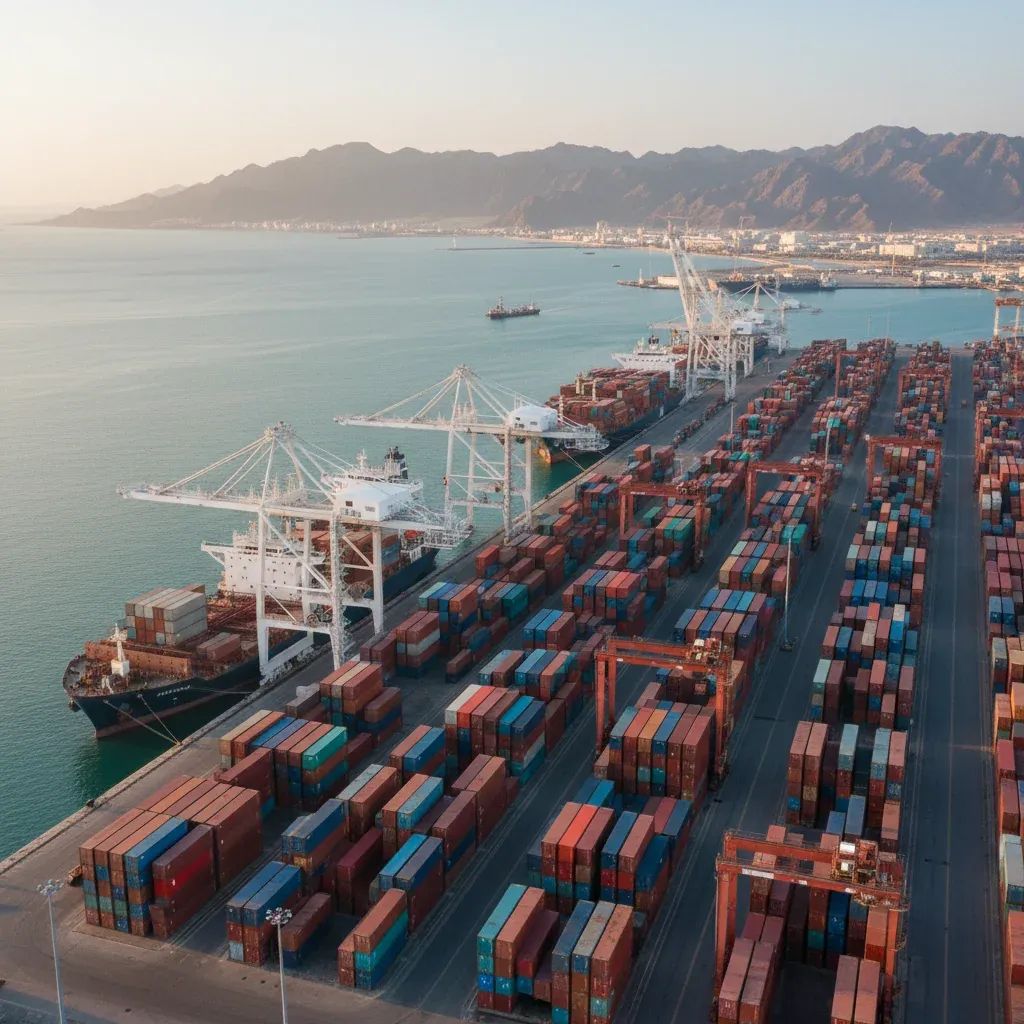
Energy Markets Signal Growing Unease as Persian Gulf Tensions Resurface
The conversation around petrol pumps and shipping containers across the United Arab Emirates has shifted noticeably. Brent crude jumped to $83.29 a barrel on Friday morning trading, marking the second consecutive session of gains as renewed anxieties surrounding the Strait of Hormuz have shaken global energy confidence. West Texas Intermediate climbed to $77.93, reflecting growing wariness that a critical waterway—through which approximately 20% of global oil and liquefied natural gas transits daily—faces mounting operational constraints.
For residents and business operators in the Emirates, the stakes matter directly. Supply disruptions ripple into supermarket prices, delivery costs, and the broader cost of doing business in a region that depends on predictable access to international shipping lanes.
Why This Matters
• Fuel pump prices and freight costs are now tethered to geopolitical outcomes in the immediate region; each sustained dollar increase in crude translates into measurable household expense changes.
• The proposed toll systems and vessel restrictions being negotiated between Iran and Oman could permanently reshape how goods move through the Gulf.
• Regional instability indicators—including reduced tanker transits and elevated war-risk insurance—directly threaten the Emirates' status as a reliable logistics and re-export partner.
The Diplomatic Deadlock Reshaping Global Trade
What began as a procedural disagreement has hardened into a fundamental clash over how the Strait will function going forward. According to regional analysts and diplomatic sources, competing proposals include Iran's suggested fee structures and discussions involving Oman on alternative transit arrangements. The United States maintains its position on unrestricted passage, creating a complex negotiating environment with no clear resolution in sight.
This impasse reflects broader geopolitical tensions, with the Strait of Hormuz remaining a critical chokepoint for global energy supplies. Unresolved disputes over transit terms and security arrangements have created a cycle of uncertainty that continues to pressure energy markets.
Physical Disruptions Compound Market Anxiety
Beyond the diplomatic standoff lies tangible supply-chain damage. Reports from maritime operators indicate increased security risks across Gulf shipping lanes, with elevated war-risk premiums on vessel insurance making some routes commercially challenging. Security protocols have increased bureaucratic delays for maritime transits, creating friction costs that accumulate across the supply chain.
The broader impact is significant: Retailers and hospitality operators dependent on just-in-time inventory models now face the prospect of higher freight costs as shipping companies pass through insurance premiums to customers. Logistics operators report increased operational complexity, with many requiring revised contingency plans for alternative routes or delayed shipments.
How This Reshapes Everyday UAE Economics
The immediate effect registers in logistics and consumer economics. A sustained increase in Brent crude translates directly into higher monthly fuel bills for both individual motorists and commercial transportation operators—costs that ripple into grocery prices, restaurant margins, and the competitiveness of local businesses operating within tighter profit bands.
The United Arab Emirates' role as a regional re-export and logistics hub depends on stable, predictable maritime access. When the Strait functions normally, vessels routinely transit from Europe and Asia, unload cargo for regional distribution, and reload for onward journey. That commercial model erodes rapidly when transits become unreliable, routes uncertain, and security premiums volatile.
Equity markets have already flagged the anxiety. Stock trading sessions have weakened even as crude prices climbed, a classic "risk-off" signal suggesting investors are pricing in both energy cost inflation and broader geopolitical instability. For corporate treasurers and fund managers in the Emirates, the divergence between energy gains and equity losses presents a strategic puzzle: profits in upstream energy may mask damage to consumer-facing businesses and regional stability premiums.
Analyst Perspectives on Price Trajectories
Energy analysts currently distinguish between multiple price scenarios depending on diplomatic outcomes. According to market research from major financial institutions, a base case where talks produce a partial agreement could see prices stabilize in the $80–$90 range, painful but manageable for most businesses. A more severe operational disruption could propel prices into higher bands, according to various market forecasts, compressing margins across the supply chain.
The majority of Strait-bound oil flows to Asian markets—China, India, Japan—making any protracted disruption a problem for key UAE trading partners and implicitly for the Emirates' own economic stability. Current inventory levels and global supply flexibility will determine the ultimate market impact of any sustained operational challenges.
Monitoring Points for Residents and Investors
Track monthly fuel price adjustments released by the Ministry of Energy and Infrastructure, which typically reflect global benchmarks with a 4–6 week lag. Businesses with significant freight or logistics exposure should review supply contracts, insurance terms, and hedging arrangements to understand exposure to further price volatility. Energy sector investors should expect continued headline risk and potential market volatility.
The next diplomatic window remains important for resolving current tensions. Iran-Oman discussions on structured transit arrangements represent a potential pathway toward partial normalization, though resolution timelines remain uncertain. Any agreement would require coordination among multiple stakeholders and would likely take time to fully restore normal operations.
For the United Arab Emirates, the challenge is to maintain operational effectiveness and investment appeal while navigating diplomatic terrain controlled by actors with competing objectives. Even if the current impasse resolves within weeks, market recovery would take months: infrastructure operations, vessel repositioning, and inventory replenishment are all processes that extend the adjustment period beyond immediate political headlines.
The next 4–6 weeks will clarify whether the current $83-per-barrel level reflects a temporary volatility spike or marks the beginning of a prolonged supply challenge with material consequences for Gulf economies and household budgets throughout the region.


