
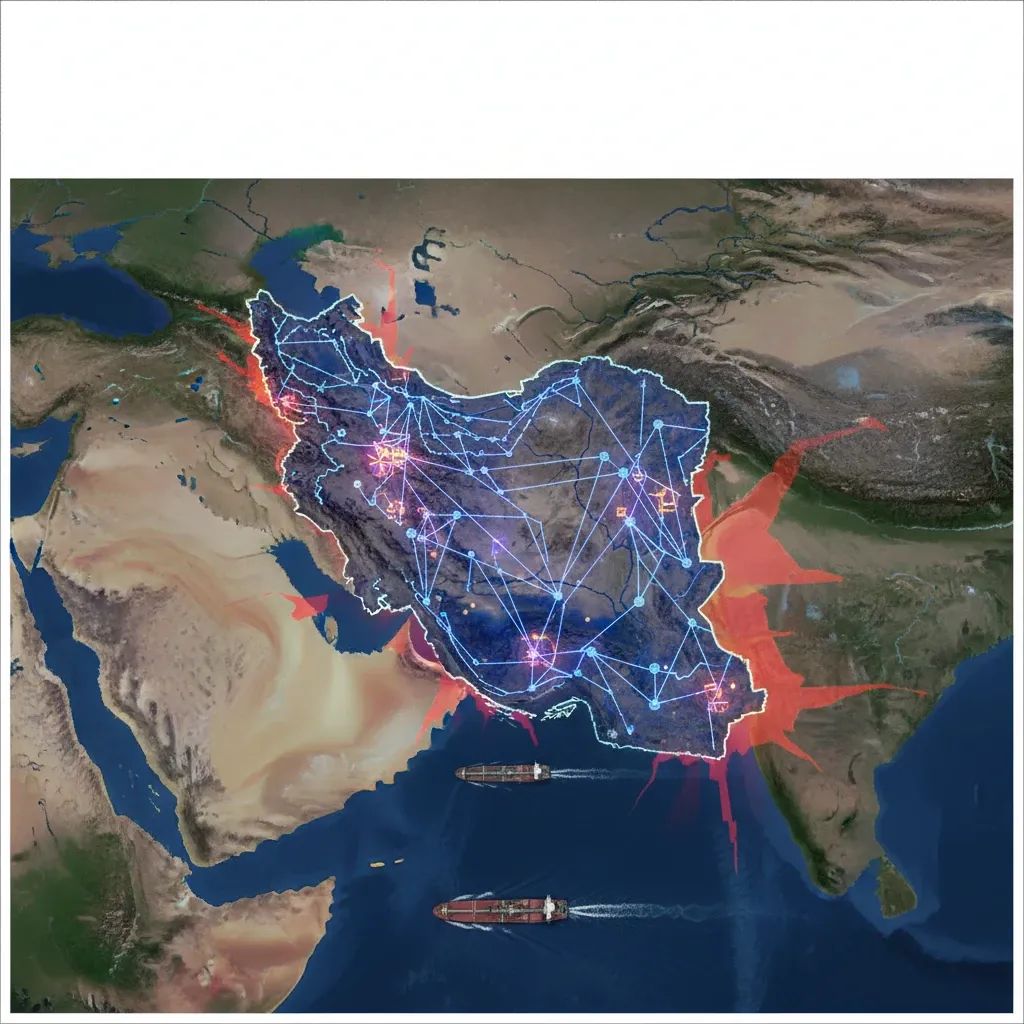
The Kingdom of Saudi Arabia has issued a forceful condemnation of sustained Iranian missile and drone strikes targeting its cities and energy infrastructure, warning Tehran that continued aggression could trigger military retaliation and reshape regional security dynamics. The escalation has sent Brent crude surging past $115 per barrel—a significant jump from $70 in late February 2026—raising concerns about energy costs globally and for UAE residents and businesses dependent on stable energy prices.
Why This Matters
• Energy cost spike: Oil prices have jumped from $70 to over $115 per barrel since late February 2026, with implications for inflation and household budgets.
• Strait of Hormuz at risk: Nearly 20% of global oil supply passes through this strategic chokepoint, now vulnerable as tensions escalate between Saudi Arabia and Iran.
• Regional security implications: Saudi Arabia's warning suggests potential military escalation could have broader regional consequences affecting trade routes and energy supply chains.
• Supply chain disruption: Reports indicate attacks on the Ras Tanura refinery and other critical energy infrastructure in Saudi Arabia, affecting global oil production capacity.
What Triggered the Escalation
The current wave of attacks began on February 28, 2026, when Iran launched retaliatory strikes against targets across Saudi Arabia following coordinated military operations against Iranian sites. The Saudi Ministry of Foreign Affairs has reported strikes on military installations including Prince Sultan Air Base, civilian airports, and the strategically important Ras Tanura oil refinery.
Iranian-aligned Houthi rebels in Yemen have also escalated operations, launching missiles and drones targeting Saudi energy infrastructure, opening a multi-directional threat to the kingdom's defensive capabilities.
According to reports, on March 3, 2026, drones struck the US Embassy in Riyadh, prompting the US Department of State to authorize the departure of non-emergency government employees and families from Saudi Arabia—reflecting the severity of the security environment.
Saudi Arabia's Response
The Saudi Royal Air Defense Forces have undertaken extensive defensive operations. According to Saudi statements, the kingdom has intercepted multiple incoming threats and implemented protective measures including the hardening of critical infrastructure, deployment of continuous air patrols, and civil defense protocols.
The Saudi Cabinet has ordered the dispersal of military assets and activation of alternative command centers to reduce vulnerability. More significantly, the Saudi Ministry of Foreign Affairs has communicated that persistent attacks on the kingdom's energy sector could compel a military response, signaling potential escalation if Iranian strikes continue.
Saudi officials have also indicated that while Riyadh favors a diplomatic settlement to the US-Iran conflict, the kingdom may reconsider its strategic position if attacks persist—potentially affecting regional military arrangements and security frameworks.
Diplomatic Collapse and Regional Response
The escalation represents a breakdown of a Chinese-brokered rapprochement struck in March 2023, when Saudi Arabia and Iran agreed to restore diplomatic relations. That détente had produced tangible results, including reduced Houthi attacks and improved communications channels.
Now, the Saudi Foreign Ministry has declared that Iran's actions could result in significant diplomatic, economic, and strategic consequences. The United Arab Emirates and other Gulf Cooperation Council states have issued statements of solidarity with Saudi Arabia and pledged to coordinate responses.
Global Energy Markets React
Oil markets have responded sharply to the escalation. Brent crude briefly touched highs above $119 per barrel in early March, while West Texas Intermediate (WTI) followed suit. According to Goldman Sachs Research, a sustained closure of the Strait of Hormuz could add $10-$15 per barrel to prices even with strategic reserves and alternative routes in use.
The International Energy Agency (IEA), which had forecasted a supply surplus for 2026, now warns that prolonged disruptions could tighten global energy markets and reignite inflationary pressures.
Implications for UAE Residents and Businesses
For those living in the United Arab Emirates, the immediate concern is higher fuel and utility costs as global energy prices remain elevated. Businesses dependent on stable shipping through the Strait of Hormuz and Persian Gulf may face higher freight costs and potential supply chain delays.
The UAE aviation sector could experience route adjustments if regional airspace restrictions expand. Additionally, any widening of hostilities could create volatility in financial markets and economic activity across the Gulf region, affecting sectors including real estate, tourism, and trade that employ significant numbers of expatriates.
The situation remains fluid, with the trajectory dependent on whether diplomatic channels can contain the crisis or whether regional tensions continue to escalate.


