
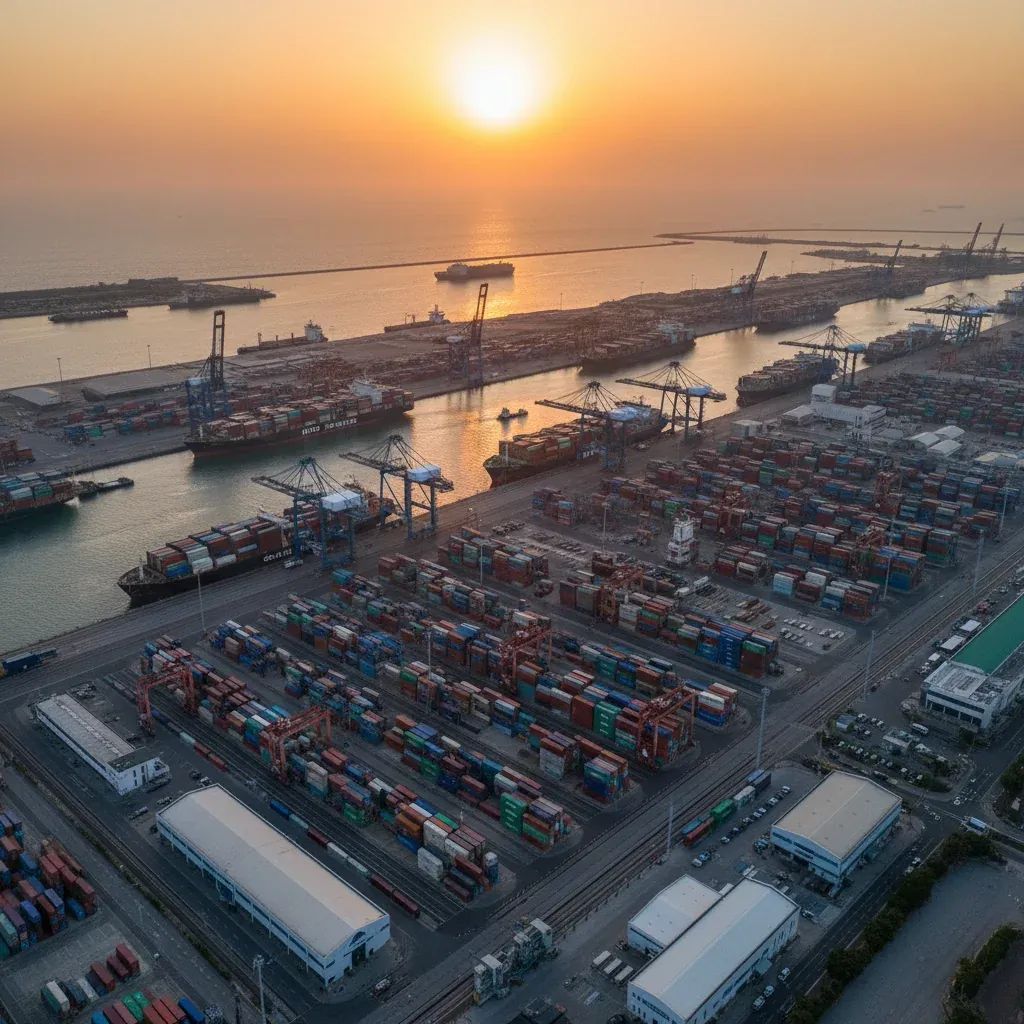
Qatar has formally reopened its territorial waters to all maritime traffic as of April 12, 2026, allowing vessels to navigate between 6 a.m. and 6 p.m. local time. Licensed fishing boats operate without hourly constraints, sailing round-the-clock. The decision follows a suspension announced on February 28, 2026, when authorities cited "recent developments in the region" without elaborating publicly.
Why This Matters
• Immediate access restored: All vessel types can now sail during daylight hours, while licensed fishing fleets gain 24-hour operating rights
• Export recovery begins: Qatar's critical liquefied natural gas shipments and cargo volumes can resume transit through territorial waters
• Safety framework in place: Every vessel must operate with active Automatic Identification Systems and VHF radio communications
Understanding the Reopening Timeline
Qatar's maritime sector experienced disruption in late February 2026 when authorities suspended navigation due to regional circumstances. The reopening announced on April 12 represents a cautious return to normal shipping patterns, with daylight-only restrictions for non-fishing vessels reflecting ongoing operational caution.
The decision to maintain daylight-only restrictions signals that maritime authorities remain attentive to safety considerations, even as they declare waters operationally accessible. This framework allows authorities to monitor vessel movements visually and via radar, respond quickly to incidents, and coordinate with regional partners on a standardized schedule.
Fishing vessels operate under different operational requirements. They require uninterrupted access to fishing grounds to be economically viable. Qatar's government has prioritized the fishing sector as part of its broader domestic food security strategy, investing in sustainable aquaculture and implementing environmental protections. Uninterrupted nighttime access ensures domestic fish production can meet annual targets and reduce Qatar's reliance on seafood imports—a strategic priority in a region where supply chains have proven fragile.
Economic Implications for Qatar's Port System
Before the February suspension, Qatar's three major ports—Hamad, Doha, and Al Ruwais—were tracking steady operations. Container and bulk cargo volumes had been performing reliably.
The navigation closure disrupted shipping activities almost immediately. Shipping lines ceased or reduced cargo bookings to Qatar, creating uncertainty for importers and exporters seeking alternative routes. This disruption eroded Qatar's competitive logistics advantage.
With waters officially reopened, Qatar's Ministry of Transport has signaled its commitment to resuming normal port operations. However, recovery will not be instantaneous. Trust in maritime infrastructure, once disrupted, rebuilds gradually. Shipping insurers will monitor compliance with safety protocols in coming weeks. Logistics planners will verify that operational stability holds before committing fully to resumed shipments.
What Residents and Businesses in the UAE Need to Know
For people living in the United Arab Emirates with commercial ties to Qatar, this reopening carries practical implications.
Expat residents and business owners in the UAE should anticipate gradual normalization in shipping costs and delivery timelines over the next 4 to 8 weeks. Goods imported from Qatar—fish, foodstuffs, and manufactured products—will move more reliably. Energy prices in regional markets may stabilize as LNG export uncertainty diminishes. Trade finance rates for ventures involving Qatar, which may have increased during the disruption, should moderate as operational confidence returns.
Workers in Qatar's logistics, energy, and tourism sectors will see employment prospects improve as their industries resume normal operations. Construction projects dependent on imported materials may resume on schedule.
That said, the April 12 announcement is not a complete solution. International passage through the Strait of Hormuz remains subject to broader geopolitical and maritime conditions. Qatar's own territorial waters are open; however, global shipping patterns depend on stability across multiple chokepoints in the region.
Safety Requirements for Vessel Operations
Qatar's Ministry of Transport has established safety obligations for all vessels operating in reopened waters:
Vessel compliance: Every vessel must meet seaworthiness standards before departure, with verification of hull integrity and functional safety equipment.
Automatic Identification Systems (AIS): Must operate continuously throughout every voyage, allowing port authorities to monitor vessel movements and respond to emergencies.
VHF marine radio: Must remain active on Channel 16 at all times, enabling constant communication between vessels and harbor authorities.
Recreational vessel limits: Pleasure boats and tourism launches must remain within 12 nautical miles of shore and return to port before sunset.
Passenger capacity enforcement: Operators must adhere to approved passenger limits to ensure safety and maneuverability in shared waterways.
The Fishing Industry Gains Ground
Qatar's fishing sector stands to benefit most immediately from the 24-hour sailing authorization for licensed fishing vessels. The country has invested substantially in sustainable aquaculture infrastructure, implemented bottom trawler restrictions to protect marine ecosystems, and maintained careful fishery management to prevent overcapacity.
Navigation restrictions had prevented fishermen from accessing traditional grounds during optimal seasonal periods. The April 12 decision restores these windows and supports Qatar's broader food security strategy, reducing dependence on imported seafood.
Tourism and Regional Implications
Qatar's tourism industry experienced disruption in the early months of 2026 following the regional circumstances that led to the February suspension. The reopening of maritime navigation removes a barrier to recovery for cruise operators and tourism-dependent businesses in Doha.
For residents in the UAE—a country with significant maritime dependencies and trade ties to Qatar—this reopening signals a return to more normal regional operations. If operational stability holds, the broader Gulf maritime system can resume standard functioning.
Authorities in Qatar are monitoring this period closely, with plans to expand navigation hours and vessel categories in coming weeks based on operator compliance and maritime conditions assessments. The daylight-only framework is deliberately temporary, a testing ground for stability before broader access resumes.


