
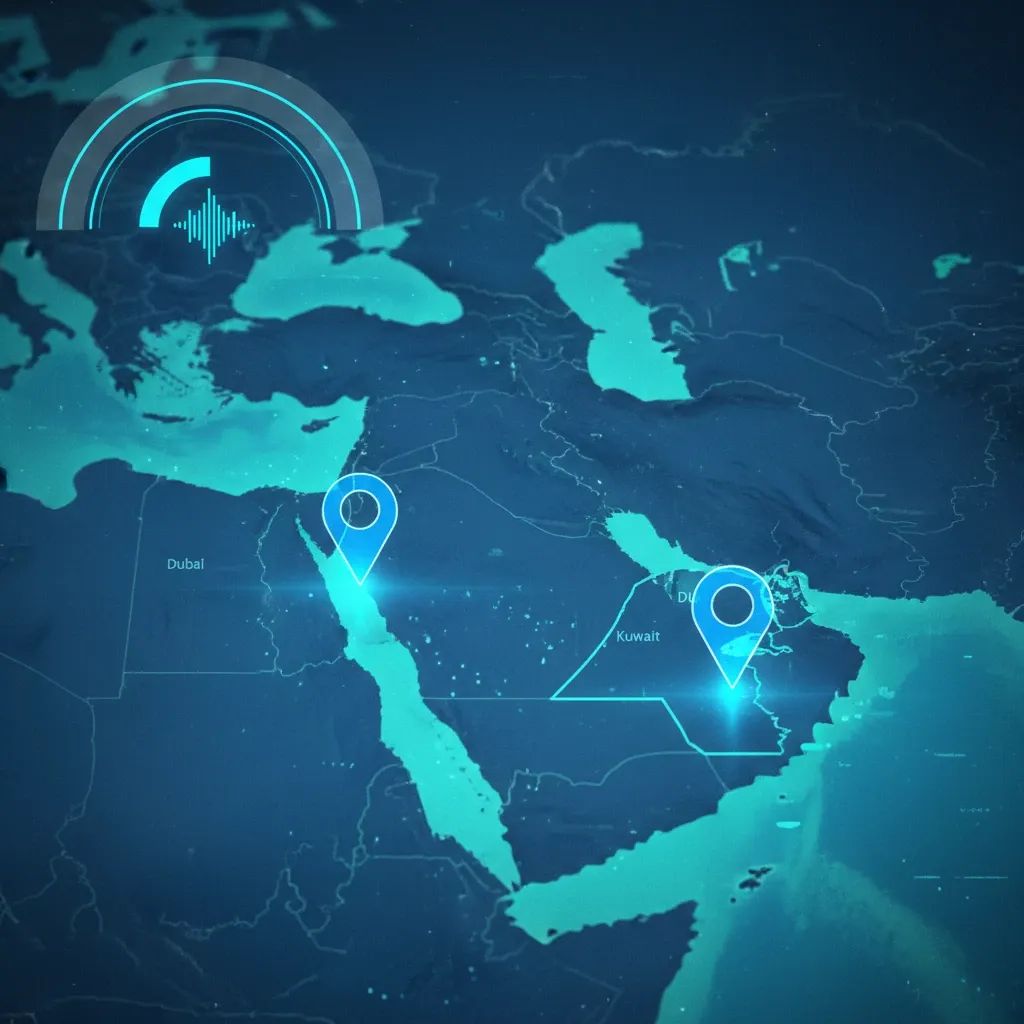
The United Arab Emirates Presidential Diplomatic Adviser Dr. Anwar Gargash declared in remarks to state media on March 25 that the current wave of Iranian aggression is exposing which nations genuinely support Gulf security—and which are merely offering hollow rhetoric. His comments amount to a blunt diplomatic reckoning: statements without action count for nothing.
Why This Matters
• 357 ballistic missiles and over 1,800 drone attacks, according to UAE Ministry of Defense figures, have hit Emirati soil since late February, killing 8 and injuring 157.
• Diplomatic ties severed: The UAE closed its Tehran embassy on March 1 and recalled all staff, ending years of transactional engagement with Iran.
• Strategic realignment underway: Gargash's remarks signal the UAE is moving closer to the United States and Israel, while questioning the value of Arab League and Organization of Islamic Cooperation responses.
• Strait of Hormuz security: The UAE is considering joining a US-led coalition to safeguard the critical waterway, a shift with global trade implications.
A Diplomatic Litmus Test
Gargash's latest comments zero in on a uncomfortable reality for the Emirates: while some allies have provided tangible backing, others have settled for "statements without action." He emphasized that the UAE does not need foreign troops or emergency equipment shipments as much as it requires clarity of positions and knowledge of who genuinely stands with Gulf states during crisis.
The Emirati government is cataloging which capitals offer real partnership and which merely issue press releases. For a nation that has spent decades building commercial ties across Asia, Europe, and the Middle East, this moment functions as an unforgiving audit of diplomatic relationships.
Gargash went further, openly questioning where major Arab and regional countries, the Arab League, and the OIC have been during what he terms "treacherous Iranian aggression." His remarks appear to target institutions that have historically claimed to represent collective Arab and Muslim interests but have failed, in Emirati eyes, to mount a meaningful response to sustained attacks on a member state.
The Scale of Iranian Strikes
The numbers are stark. Since February 28, the UAE Ministry of Defense has logged 357 ballistic missiles, 1,806 drone strikes, and 15 cruise missiles launched from Iranian territory. The bombardment has hit civilian infrastructure, including Dubai International Airport and the Al Dhafra Air Base, a facility that hosts American military personnel.
The human toll—8 dead, including 2 military personnel, and 157 injured—has been contained largely by the UAE Armed Forces' air defense systems, which have intercepted over 340 ballistic missiles and more than 1,740 drones. Yet the psychological and economic impact reverberates across a country accustomed to projecting stability and attracting global capital.
The attacks represent the most direct assault on Emirati sovereignty since the federation's founding. They come amid a broader 2026 Iran conflict, triggered by coordinated US-Israeli strikes on Iranian military infrastructure. Tehran's decision to target Gulf states that host American bases or have normalized relations with Israel has transformed the UAE into a frontline state in a confrontation it initially sought to avoid.
Iran's Actions Push Gulf States Toward New Alliances
Gargash has been explicit about the strategic consequences of Iranian aggression. He argues that Tehran's campaign is reinforcing the centrality of the Iranian threat in Gulf strategic thinking and accelerating three parallel trends: enhanced national defense capabilities, deeper collective Gulf security coordination, and expanded security partnerships with Washington.
More provocatively, he suggests that Iran's strikes are inadvertently strengthening the Israeli role in the Gulf, not diminishing it. "More channels will be open" between Israel and Arab states without existing diplomatic ties, he predicted, as Iran's actions validate the security logic behind the Abraham Accords—the 2020 normalization agreements between the UAE, Israel, and the United States that established diplomatic and trade relations between the nations.
The UAE, which established full diplomatic relations with Israel in 2020 under the Abraham Accords, has already deepened intelligence-sharing and defense cooperation with Jerusalem. Iranian attacks have provided fresh justification for those arrangements and created political space for Saudi Arabia and other Gulf states to consider similar steps. Gargash's language suggests the UAE views expanded cooperation with Israel not as a political liability but as a strategic imperative.
Equally significant is the UAE's posture toward the United States. Washington has reaffirmed its commitment to Emirati security, and reports indicate that Saudi Arabia has granted expanded access to King Fahd Air Base to facilitate US air operations against Iran. The UAE is now weighing participation in a US-led coalition to secure the Strait of Hormuz, the narrow waterway through which roughly 20% of global oil supplies transit.
What This Means for Residents
For the millions of expatriates and Emirati citizens living in the federation, the crisis translates into heightened security vigilance and economic uncertainty. The UAE government has maintained public order and essential services, but the specter of further strikes looms over daily life.
Security Protocols and Practical Guidance:Residents are advised to stay informed through official UAE channels, including the National Emergency Management Authority (NEMA) and local emirate emergency services. During air raid alerts—issued via sirens and mobile alerts—residents should move to designated shelters or safe zones in buildings and avoid unnecessary travel. Official updates are available through state media, government mobile applications, and emergency SMS services. Residents should register with their embassy or consulate for updates on any travel advisories affecting their communities.
Economic Impacts:The attacks have disrupted air traffic, strained insurance markets, and introduced volatility into property and investment sectors. Expatriate workers, particularly in aviation, tourism, and hospitality sectors, face potential job uncertainties as business activities adjust to the security situation. Travel and business insurance premiums have risen significantly. The closure of Iranian-linked facilities in Dubai—including a hospital and cultural club accused of violating UAE laws—signals a broader crackdown on Iranian influence within the Emirates, with potential implications for those with Iranian business ties.
Dubai and Abu Dhabi, cities built on the promise of safety and predictability, are now contending with the reality of active conflict. Yet the government's coordinated response has maintained essential services and demonstrated preparedness, providing some stability for residents managing the crisis.
For businesses and residents, the message from Emirati leadership is clear: the country will not be "blackmailed by terrorists" and is prepared to endure economic friction to defend sovereignty. Gargash has ruled out any ceasefire that does not deliver long-term security solutions, including addressing Iran's nuclear program, missile arsenal, drone capabilities, and behavior in the Strait of Hormuz.
Regional Institutions Fail the Test
The UAE's disillusionment with multilateral Arab and Islamic bodies is palpable. Gargash's remarks suggest criticism of the Arab League and OIC for their absence during the crisis, reflecting a broader frustration among Gulf states that these institutions are ill-equipped to respond to serious security threats.
Bahrain, on behalf of the GCC and Jordan, successfully pushed through UN Security Council Resolution 2817 in March, which condemned Iran's attacks as breaches of international law and threats to peace. The resolution garnered 135 co-sponsors, demonstrating significant diplomatic support. Yet the lack of coordinated action from regional heavyweight capitals has left the UAE feeling isolated at precisely the moment when collective Arab solidarity should, in theory, be strongest.
The European Union has expressed "full support" for the UAE and other Gulf states, affirming their right to self-defense under Article 51 of the UN Charter. European nations including France, Greece, Italy, and Spain have contributed to air defense operations in the Gulf and Eastern Mediterranean, and Brussels is exploring expedited delivery of weapons systems and ammunition to bolster critical infrastructure protection.
The Road Ahead
The UAE's strategic calculus is shifting in real time. The closure of its embassy in Tehran and the severance of diplomatic relations mark the end of a period of cautious, transactional engagement that began after tensions eased slightly in 2023. The Emirates had once been a financial hub for Iranian business, hosting billions of dollars in Iranian holdings. That era is over, and Emirati officials have warned Tehran that those assets could be frozen.
Gargash's rhetoric suggests the UAE is prepared for a protracted confrontation. His insistence on long-term solutions rather than quick ceasefires, his calls for deeper security partnerships with Washington and Jerusalem, and his public criticism of Arab and Islamic institutions all point toward a hardening of Emirati positions.
For the UAE's leadership, the crisis has clarified who its real partners are—and who merely offers performative solidarity. That clarity, however uncomfortable, is shaping the Emirates' strategic future.


