
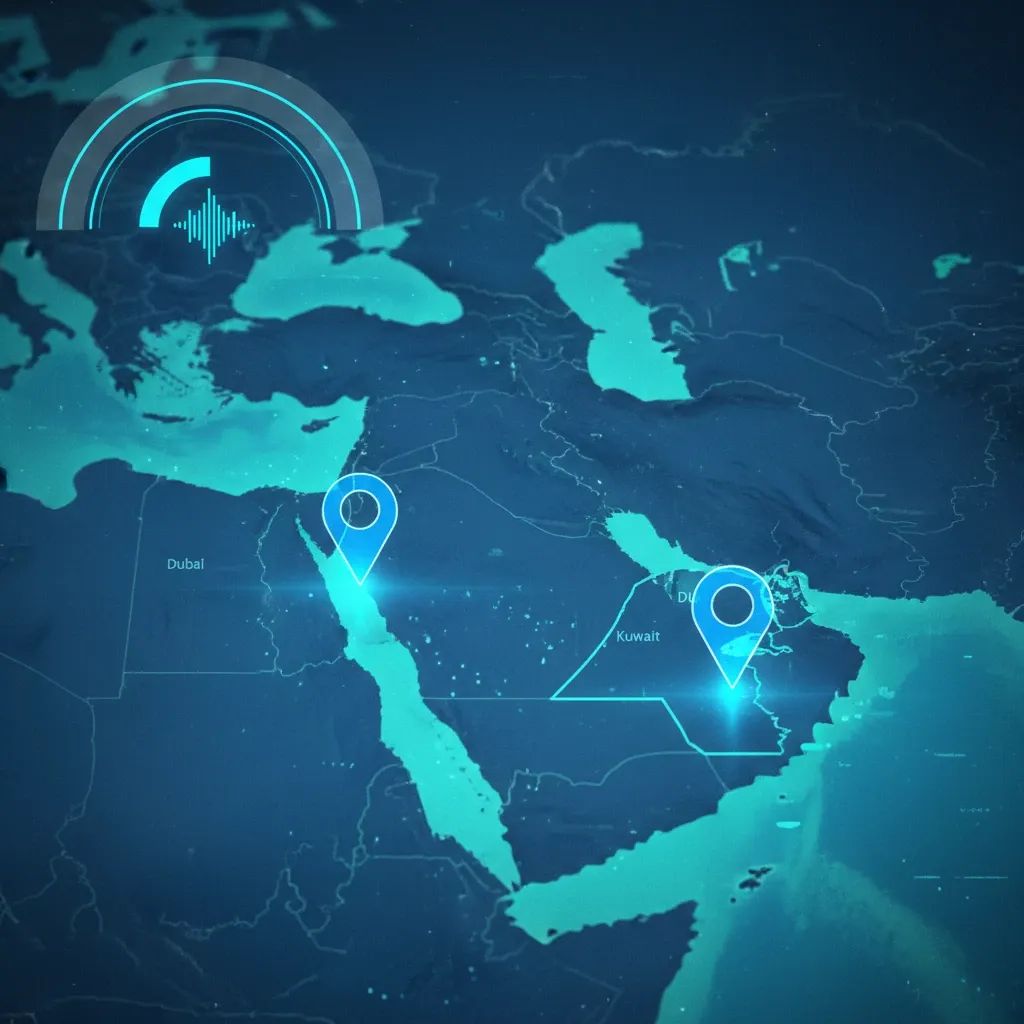
Months of escalating military tension between Iran and a US-Israeli coalition have transformed the Gulf into a contested zone. In a dramatic shift, Qatar moved from neutral observer to direct target when Iranian ballistic missiles breached its air defense perimeter across multiple days in March—striking the Ras Laffan Industrial City—home to roughly 30% of the world's LNG production. Qatar's government responded decisively, expelling Iranian military and security personnel and formalizing a diplomatic rupture that ends decades of pragmatic coexistence.
Why This Matters
• Energy supply chains at risk: Damage to Ras Laffan threatens LNG deliveries to Asia, Europe, and industrial customers worldwide; timeline for repairs remains unclear.
• Direct threat to UAE residents: The attacks are not limited to Qatar. The UAE's Habshan gas facility and Bab oil field have also been targeted by Iranian missiles and drones, making this a direct security concern for residents across the Emirates.
• No immunity for neutral players: Qatar's historical balance between Iran and the West proved unsustainable; the expulsion signals that shared geography and energy interests no longer protect commercial partnerships.
• Air defense limitations: While Qatar successfully intercepted most incoming missiles, at least one strike penetrated defenses, revealing that no defensive system operates at 100% effectiveness under saturation attacks.
The Attacks: March 14, 18, and 19
The Iranian campaign unfolded across three separate operations documented by regional sources:
March 14: Iranian forces launched four ballistic missiles and several drones toward Qatar. Qatar's air defense systems successfully intercepted all incoming threats, marking the first direct targeting of Qatari infrastructure.
March 18: In the most significant attack, Iranian forces launched five ballistic missiles toward Qatar. Air defense batteries engaged immediately and intercepted four missiles. The fifth penetrated the defensive layer and detonated within the Ras Laffan Industrial City complex, triggering fires across multiple LNG processing units. The Qatari Ministry of Interior activated civil defense protocols, with response teams working to contain the blazes. No casualties were reported, but operational impact was significant.
March 19: Iranian forces launched two additional ballistic missiles toward Qatar. Both were successfully intercepted, but the back-to-back attacks served a dual purpose: testing Qatar's defensive endurance and demonstrating Iran's resolve to continue strikes. The messaging was unmistakable.
Regional Pattern of Attacks
Qatar's experience reflects a broader Iranian targeting strategy across the Gulf. According to regional security reporting, the United Arab Emirates reported Iranian drone and missile strikes on the Habshan gas facility and the Bab oil field, prompting formal condemnation from Abu Dhabi. Saudi Arabia has similarly intercepted multiple Iranian missiles targeting domestic facilities. The Gulf Cooperation Council—historically divided but united by energy interests—now operates under heightened alert with air defense systems activated across multiple countries.
Qatar's Diplomatic Response
Following the March 18 strike, Qatar's government moved swiftly to expel Iranian military and diplomatic staff, citing the attacks as a "direct threat to national security" and violation of sovereign borders. This response marked a significant departure from Qatar's traditional diplomatic playbook, which had historically maintained back-channel communications with Iran despite broader regional tensions.
The expulsion reflected a fundamental shift: Qatar's decades-long balancing act between Iran and Western powers became impossible once Iranian missiles began targeting Qatari territory and energy infrastructure.
Regional Allies' Response
Saudi Arabia's Foreign Ministry declared that trust with Iran has been fundamentally damaged, and Riyadh reserves the explicit right to military retaliation. The United Arab Emirates labeled the strikes "dangerous escalation" and a violation of international norms. American forces have conducted strikes on Iranian missile sites along Iran's coastline as part of the broader regional response.
What This Means for UAE Residents
Expatriates and residents living in the UAE should take immediate action:
Security Precautions: Review emergency protocols with employers and confirm access to secure communication channels with families and UAE embassy representatives. While air defense systems have demonstrated capability, recent successful strikes prove that defensive perfection is not achievable. The possibility of future attacks exists as long as regional tensions remain unresolved.
Monitor Official Advisories: Check UAE government security advisories regularly through official Ministry of Foreign Affairs and Federal Authority for Civil Protection channels. Stay informed about any updated travel recommendations or security measures affecting your location.
Workplace Preparedness: Verify that your employer has activated emergency protocols and secure communication systems. Organizations operating in energy, logistics, export, and critical infrastructure sectors should prepare alternative supply arrangements given potential facility disruptions.
Supply Chain Impact: Companies dependent on Qatari LNG exports or with operations across Gulf energy infrastructure should monitor security developments and maintain redundancy in critical supply chains. International clients reliant on Qatar's LNG exports may face supply tightness, potentially affecting transportation costs, industrial operations, and utility bills.
Travel Considerations: Consult UAE-based resources for any travel advisories affecting regional movement. Maintain regular contact with your embassy or consulate for updated guidance specific to your nationality and location.
The Defense Challenge
Qatar's interception rate—approximately 85% of incoming threats across the three-day period—ranks among the highest achievement rates for air defense engagements globally. Yet the successful March 18 strike highlights an enduring challenge: no defensive system operates at 100% effectiveness, particularly when facing saturation attacks designed to overwhelm multiple layers of defense simultaneously.
The operational implications for Ras Laffan remain significant. QatarEnergy has not disclosed a specific timeline for facility restoration, and the designation of "extensive damage" suggests disruption spanning weeks or potentially months depending on structural severity.
The Path Forward
What happens next depends on whether the March attacks represent a discrete escalation or transition toward sustained targeting of Gulf energy infrastructure. Qatar has reaffirmed its right to take "all necessary measures" to defend sovereignty and security in accordance with international law. Enhanced military posturing, expanded air defense deployments, and deeper intelligence-sharing arrangements with Gulf allies are plausible next steps.
For UAE residents, the critical variable is whether these attacks establish a new threshold for regional conflict or whether they represent a contained response to earlier military actions. Either scenario underscores the importance of maintaining awareness, following official guidance, and ensuring household and workplace preparedness in an increasingly complex regional security environment.


