
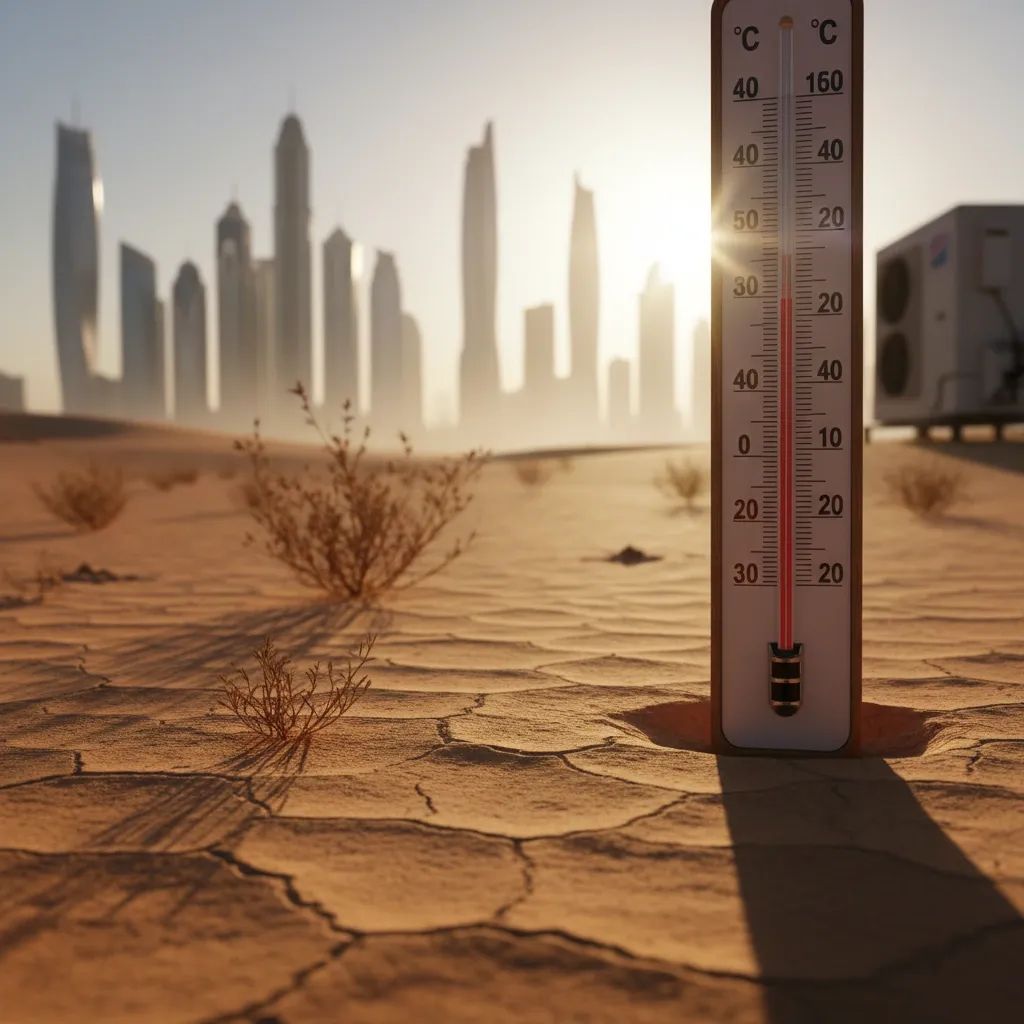
Today's forecast across the United Arab Emirates brings modest relief from the encroaching summer heat, but residents need to prepare for gusty winds that will stir up significant dust across northern and eastern sectors. The National Centre of Meteorology has flagged a deteriorating air quality outlook, with visibility dropping to hazardous levels by afternoon as northwesterly winds accelerate.
Why This Matters
• Respiratory alert: Dust particles will aggravate asthma and COPD; those with pre-existing lung conditions should avoid prolonged outdoor exposure.
• Road safety concern: Reduced visibility combined with 40 km/h gusts creates accident risk; drive cautiously or postpone non-essential trips.
• Temporary cooling window: Several emirates—including Dubai, Sharjah, Ajman—will experience slightly lower peaks today before temperatures climb again after the weekend.
A Closer Look at Today's Temperature Pattern
The mercury tells two distinct stories depending on where you are in the country. Coastal communities face highs between 33°C and 39°C—uncomfortable but not record-breaking for mid-May. Abu Dhabi tops out at 39°C, Dubai peaks at 36°C, while Fujairah and Ras Al Khaimah will both see 38-39°C. For those in inland regions, the picture is grimmer. Al Ain could reach 40°C, with some internal zones possibly hitting 43°C by late afternoon. The Hajar Mountains and northern upland areas remain the only genuine escape hatch, with peaks settling around 28°C to 34°C.
The day's lows vary wildly by location, highlighting how geography shapes the UAE's microclimate. Umm Al Quwain dips to just 21°C overnight—perhaps the coolest minimum across the federation—while Fujairah stays comparatively toasty at 30°C minimum. Most other emirates hover in the 23°C to 26°C range, offering minimal overnight relief before the heat resumes.
Wind Mechanics and Dust Outbreak
Winds will predominantly blow from the northwest to southwest at speeds ranging from 10 to 25 km/h during the morning hours, but this is where conditions deteriorate. By afternoon and into Friday, velocities will intensify to 40 km/h, easily sufficient to mobilize fine sand particles and reduce horizontal visibility to challenging levels.
The northern emirates and eastern coast will bear the brunt of this dust transport. Construction sites, unpaved areas, and exposed quarries will serve as point sources, and prevailing wind patterns will carry suspended material toward residential and commercial zones. The fine particulate matter—often smaller than 10 microns—penetrates deep into the respiratory tract, bypassing upper airway defenses and depositing directly in the lungs' alveoli.
Health Impacts for Residents
Dust events can trigger respiratory symptoms in vulnerable populations. Asthma sufferers may experience bronchospasm triggered by airway irritation. COPD patients may face difficulty breathing and increased mucus production. Healthy individuals may report coughing, throat scratchiness, and watery eyes. The elderly, infants, and pregnant women represent particularly vulnerable groups due to reduced lung capacity or developing physiology.
Allergic responses can intensify during dust events. Dust contains mineral particles, pollen, mold spores, and biological fragments—all potential irritants. Those with allergies may experience magnified symptoms during these episodes.
Individuals working outdoors in construction, street vending, or other exposed occupations face greater cumulative exposure than those in air-conditioned indoor environments. Dust protection measures become especially important for these groups.
Safeguarding Your Household
Dust doesn't confine itself to outdoor air; it infiltrates homes through cracks, poorly sealed window frames, and door gaps. The practical response involves three layers of defense.
First, seal your perimeter. Check weatherstripping around doors and windows. Use caulk or sealant tape to close obvious gaps. If finances allow, adhesive plastic sheeting can temporarily seal problem areas—a low-cost measure that reduces interior dust accumulation.
Second, optimize your air conditioning system. Switch to recirculation mode, which recycles indoor air rather than drawing fresh (dusty) outside air. Inspect your filter; if it's visibly caked with dust, replace it now rather than waiting. Homes with standalone air purifiers equipped with HEPA filters add an extra layer; position these in frequently occupied rooms like bedrooms and living areas.
Third, adopt a dust-control cleaning routine. Microfiber cloths trap particles more effectively than traditional cotton rags. Vacuum with HEPA-equipped units rather than standard machines, which exhaust fine particles back into the air. Mop hard floors with damp cloths after vacuuming. These habits, repeated across a few dusty days, meaningfully reduce indoor particulate burden.
Maritime and Transport Implications
The Arabian Gulf will transition from slight seas into rough conditions by afternoon—significant enough to concern maritime operators and discourage recreational boating. The Oman Sea, bordering the eastern emirates, will remain relatively calmer, staying in the slight-to-moderate range. Mariners should consult live updates from port authorities before departing.
On roads, visibility becomes the critical factor. Drivers should reduce speed, activate headlights and hazard lights, maintain extended following distance, and avoid sudden lane changes. Lightweight vehicles are particularly prone to wind drift; SUV and truck operators should remain vigilant. Accidents can occur more frequently during dust events; the combination of reduced visibility and gusty crosswinds requires heightened caution.
What Vulnerable Groups Should Do Right Now
Individuals with asthma or COPD should ensure rescue inhalers are within reach. Keep medication accessible at home, work, and in vehicles. If symptoms—chest tightness, persistent cough, wheezing, shortness of breath—emerge or worsen, seek medical attention rather than waiting for symptoms to resolve.
Parents of young children should limit playground visits today and Friday. Substitute outdoor time with indoor entertainment: shopping malls, cinemas, museums, aquariums. Minimizing children's dust exposure during peak hours is prudent practice.
Pregnant women should similarly minimize outdoor exposure during high dust periods. Respiratory strain during pregnancy can affect oxygen delivery, particularly in hot and dusty conditions.
The elderly often have reduced lung reserve capacity; encourage them to stay indoors and maintain medication compliance throughout dusty periods.
The Summer Outlook Ahead
Today's dust episode is typical of the conditions that develop during late spring and summer in the UAE. By mid-June, Dubai and Abu Dhabi will regularly see sustained temperatures of 41°C to 43°C. Inland emirates like Al Ain will experience sustained high temperatures in the low-to-mid 40s.
Historical climate trends show that temperatures in the UAE have been rising over recent decades, establishing higher baseline conditions from which seasonal peaks emerge. This represents a significant shift in the region's climate profile.
Adjusting Outdoor Plans and Activities
If you were planning a mountain hike this week, today is borderline; push it to tomorrow morning before the dust fully materializes. For mountain adventures over the coming months, dawn starts are non-negotiable—aim to be off the trail by 9 or 10 AM at the latest. Jebel Jais and other Hajar peaks will remain relatively cooler than coastal plains, but even there, midday heat becomes dangerous.
Beach and water activities face a bifurcated reality. The sea temperature hovers around 28°C to 30°C, warm enough for comfortable swimming. However, rough afternoon conditions in the gulf mean morning sessions are safer than afternoon excursions. Check daily updates from beach patrol offices before heading out.
Most residents will find that summer recreation in the UAE gradually contracts toward evening outings—sunset strolls, late-night markets, waterpark visits in early evening before closing. Indoor attractions—malls, restaurants, cinemas, gyms—become the daytime default.
Staying Operationally Ready
Keep the National Centre of Meteorology website bookmarked and check it daily, especially Thursday through Monday as this wind system evolves. Real-time updates often flag sudden visibility drops or wind speed accelerations that forecasts don't capture until they occur. Official alerts carry more granular geographic data than generalized forecasts; they help you adjust plans with precision rather than guessing.
Stock your medicine cabinet: extra face masks (N95 or N99), eye drops, tissues, and any prescribed medications for respiratory or cardiac conditions. Keep vehicles properly fueled and batteries charged; extended travel disruptions occasionally accompany severe dust events.
Hydration becomes more critical on hot, dusty days; drink water consistently throughout the day, not just when thirsty. Adequate hydration helps your body manage heat stress conditions.
Today's weather is manageable with straightforward precautions. The practical steps outlined—sealing your home, adjusting your air conditioning, driving cautiously, and taking personal protective measures—help residents navigate dust events effectively as they become a recurring feature of the UAE's climate cycle.


