
Monday Brings Dust Storms and Evening Clouds Across the Emirates
Meteorologists at the United Arab Emirates National Centre of Meteorology are tracking a day of atmospheric volatility today, with visible dust stirring across inland zones and cloud banks rolling toward the coast by nightfall. For most residents, this translates to manageable inconvenience—slightly hazardous driving conditions paired with a cooling evening, but nothing that warrants canceling outdoor commitments outright. The real pressure falls on maritime operators, construction teams, and anyone planning western outings.
Key Takeaways
• Winds gusting to 45 km/h will lift loose sand and create visibility challenges, especially on desert highways and in open construction zones between 2 p.m. and 5 p.m.
• Western regions and islands face cloud cover after sunset, dimming stars and lowering nighttime temperatures noticeably.
• Rough seas in both the Arabian Gulf and Sea of Oman require careful timing for fishing trips, leisure boating, and commercial maritime schedules.
The Wind and Dust Reality
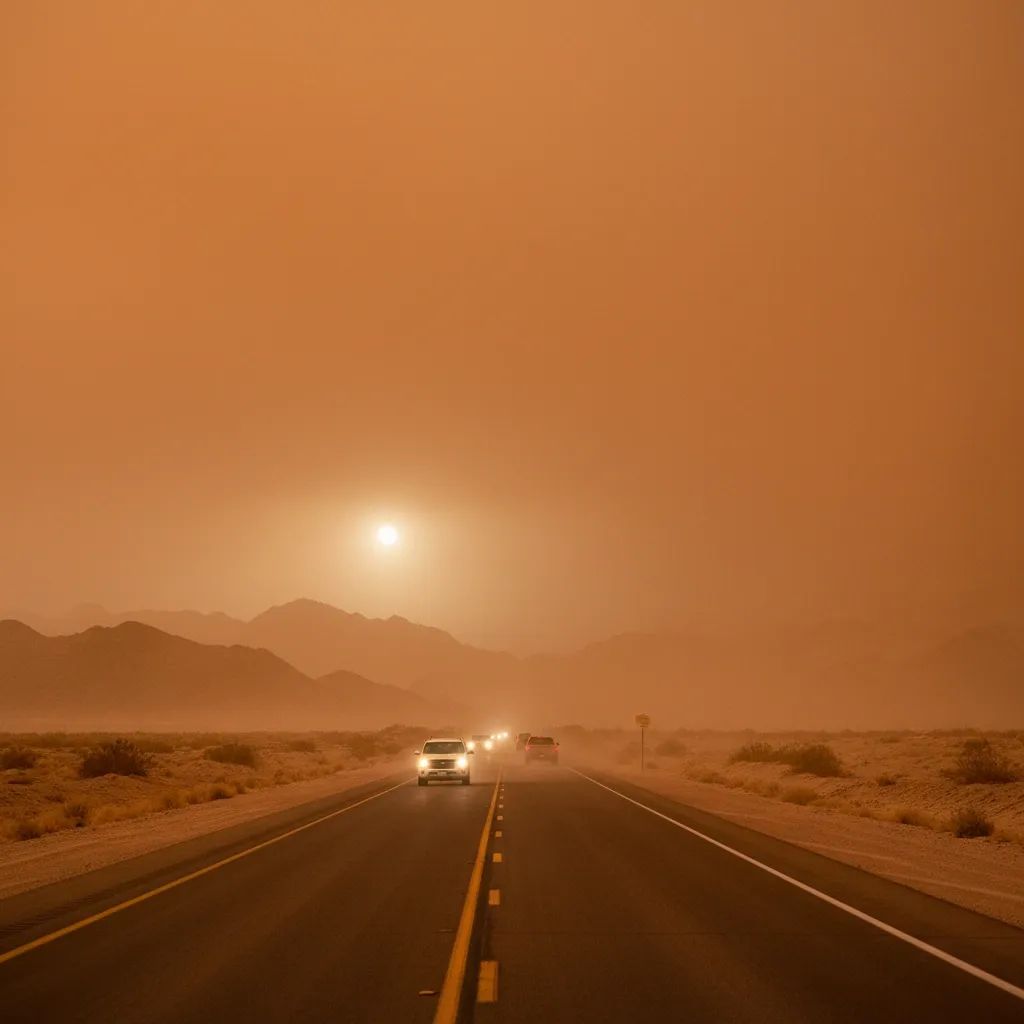
Starting mild, this morning's breeze—roughly 15 to 25 km/h from the northwest and southwest—poses no obstacle to outdoor work or travel. By mid-afternoon, however, the wind accelerates sharply, pushing gusts to 45 km/h. This shift turns exposed desert landscapes into dust-generating zones. Highway visibility can collapse within minutes as fine sand particles become airborne, reducing sightlines from several hundred meters to just a few car lengths in worst-case scenarios.
The road networks leading west from Abu Dhabi toward Liwa and the Saudi border face particular risk. Drivers navigating these stretches between 1 p.m. and 5 p.m. should reduce speed, maintain increased following distance, and keep headlights activated even during daylight hours. Dust conditions can typically create challenging driving circumstances on such afternoons, particularly on major routes during peak wind periods. The United Arab Emirates Ministry of Interior periodically reminds motorists of these precautions, as high-dust incidents may contribute to traffic challenges.
Construction sites across Abu Dhabi, Al Ain, and the northern emirates often face operational friction during windy conditions. Dust can infiltrate machinery, potentially affect freshly poured concrete, and pose respiratory considerations for workers. Project managers typically respond by scheduling cement work and material handling for dawn hours, securing loose items, and using masks or respirators for outdoor crews during peak wind periods.
Evening Clouds and Regional Weather Variation
Through daylight hours, conditions remain predominantly clear to partly cloudy across most populated zones. The story changes at dusk. Cloud formations will advance over Al Gharbia, coastal islands including Sir Bani Yas and Dalma, and areas bracketing the northwestern coastline. These clouds arrive as cooling evening air meets warm Gulf moisture—a seasonal atmospheric dynamic that intensifies as spring progresses.
Residents in Abu Dhabi's western suburbs, Liwa agricultural zones, and island communities should expect overcast skies after dark, lower visibility for stargazing, and generally cooler temperatures compared to clear-sky nights. Restaurants or events planning rooftop dinner service in these areas may benefit from contingency indoor arrangements or heated seating. Photography enthusiasts targeting sunset shoots may encounter hazy atmospheric conditions that could affect image clarity.
Eastern regions, including Dubai, Sharjah, and inland areas closer to the Hajar Mountains, will likely remain clearer overnight as prevailing wind patterns push cloud masses westward and seaward.
Tidal Windows and Maritime Complexity
Both major water bodies surrounding the United Arab Emirates face rough to moderate conditions today, creating navigation challenges for commercial shipping, fishing vessels, and recreational craft alike.
In the Arabian Gulf, tidal swings arrive according to this schedule: high tide at 11:03 a.m. and 12:55 a.m.; low tide at 3:18 a.m. and 6:05 a.m. Fishing boats launching from Abu Dhabi's coastal marinas should note that water conditions typically vary throughout the day with tidal movement. Smaller recreational craft and jet skis may experience stability challenges in rough conditions.
Port operations at Jebel Ali, Abu Dhabi's harbor terminals, and industrial zones along the Mina Zayed container docks typically coordinate barge movements and tanker scheduling around tidal patterns. Deeper-draft vessels generally benefit from higher tides, while shallower-water operations often have narrower operational windows during low-tide periods. Port authorities generally issue movement guidance during wind and rough-sea conditions.
The Sea of Oman follows a different tidal rhythm: high tide at 7:52 a.m. and 8:32 p.m., with low tide at 2:12 p.m. and 2:51 a.m. Eastern ports including Fujairah and Khor Fakkan, which handle petroleum shipments and container traffic, typically plan cargo operations and vessel arrivals around tidal patterns to maintain safe under-keel clearance. Rough seas generally mean reduced maneuverability, making poorly-timed port entries more challenging.
Fishermen operating from either coast face a genuine planning challenge: morning hours in the Gulf may offer initial opportunities but wind energy escalates by afternoon, while evening fishing near island reefs becomes problematic with fading light and visibility challenges caused by dust and incoming clouds.
Practical Implications Across Daily Life
Outdoor workers and agricultural teams should consider completing exposed tasks before 1 p.m., when wind intensity typically escalates. Irrigation scheduling matters in windy conditions—high winds generally accelerate evaporation, making early-morning watering often more efficient than afternoon application. Northern agricultural zones supplying produce to regional markets typically observe these weather patterns.
Respiratory health, particularly for individuals with asthma or allergies, warrants attention during afternoon peak-dust hours. Staying indoors with air conditioning and clean filters, avoiding strenuous outdoor exertion, and keeping rescue medications accessible represents sensible precaution.
Traffic flow on major intercity routes—especially the E11 heading south and west—may experience slower movement as visibility reduces and cautious drivers adjust their approach. Public transport operators typically maintain adjusted schedules during such conditions; delays vary depending on conditions encountered.
Evening social plans in western Abu Dhabi and island communities should account for cloud cover and changing temperatures. Outdoor dining, gathering spaces, and rooftop venues may benefit from additional heating or indoor backup space. Stargazing trips or photography sessions targeting night skies may encounter reduced atmospheric clarity.
Seasonal Context and Broader Weather Patterns
Late March in the United Arab Emirates straddles winter's fading comfort and summer's emerging intensity. These transitional weeks generally generate characteristic variability—remnants of cool-season stability mingling with warm-season atmospheric instability. Residents and businesses experienced with regional climate patterns typically adjust to such conditions.
Meteorologists at the National Centre of Meteorology continue monitoring atmospheric conditions and update forecasts daily through web platforms and mobile applications. Mariners should consult specialized marine bulletins offering wave-height data and current patterns specific to individual zones rather than relying solely on general weather summaries.
Today's forecast signals a manageable day requiring minor behavioral adjustments—not a severe-weather event or significant disruption to essential services. Standard precautions—careful driving during dusty hours, checking marine conditions before boat departures, securing loose outdoor items, and adjusting evening schedules around cloud cover—suffice for navigating these conditions safely and comfortably.


