
UAE Aviation Sector Demonstrates Resilience Following Regional Security Precaution
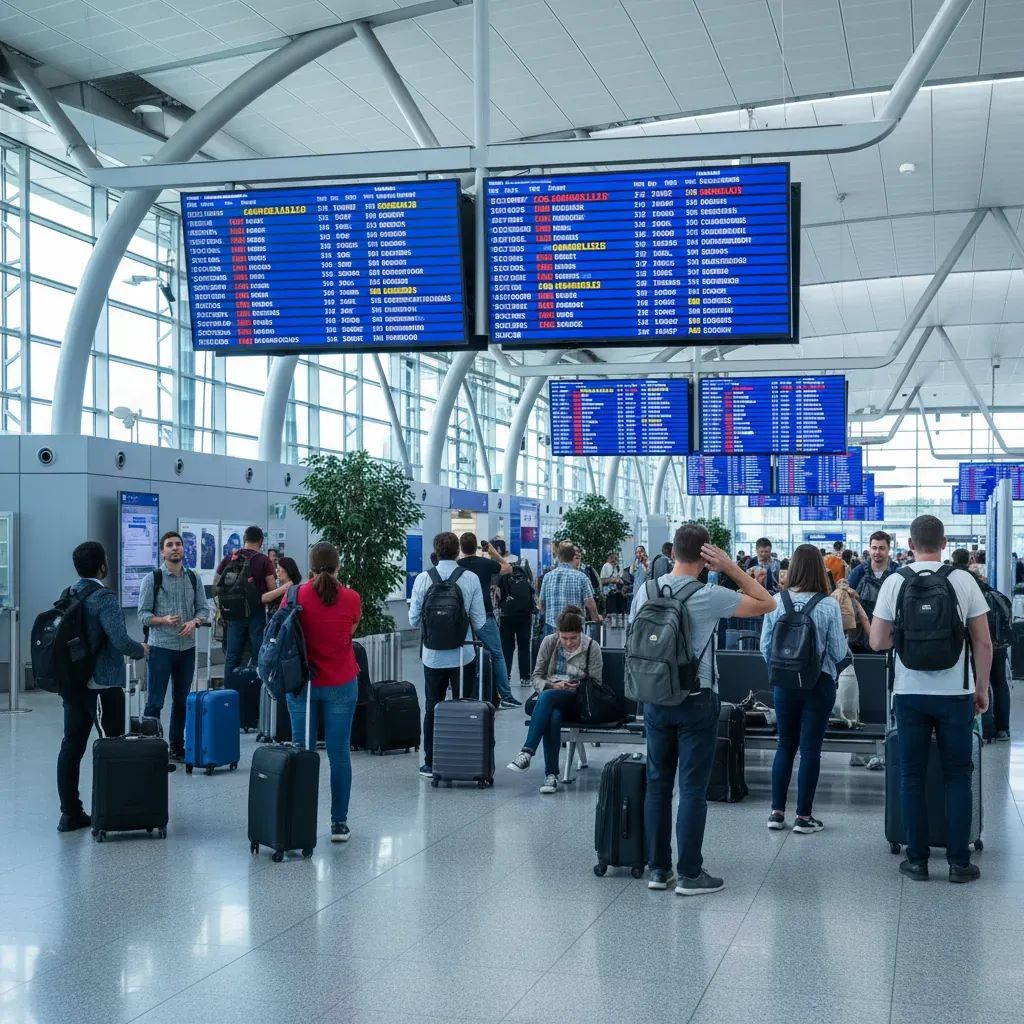
The United Arab Emirates' aviation sector demonstrated its operational strength this week following a brief, precautionary airspace closure on March 17 in response to a security incident. Dubai International Airport and Abu Dhabi's Zayed International Airport quickly resumed full operations, showcasing the UAE's robust contingency planning and commitment to maintaining one of the world's most reliable aviation hubs. While some flight adjustments occurred during the transition, the swift restoration of normal operations reflects the UAE's strategic importance as a global aviation center and its strong security partnerships.
Why This Matters:
• Precautionary airspace closure implemented strategically on March 17 as part of responsible regional security protocols; UAE airspace officially returned to normal at 5:05 AM local time the same day
• Minimal operational disruption: Both major hubs quickly resumed operations, demonstrating excellent crisis management
• Major carriers demonstrated resilience: Emirates, Etihad, Air India Express, IndiGo, and regional carriers activated contingency protocols efficiently
• Passenger support excellence: Airlines implemented comprehensive rebooking options and refund policies, reflecting regional aviation standards
Flight Operations Resume Swiftly with Strong Carrier Support
Following the brief precautionary airspace closure on March 17, Dubai International Airport and Abu Dhabi's Zayed International Airport successfully restored normal flight operations. The swift resumption underscores the UAE's strategic position as a critical aviation nexus and the effectiveness of coordinated security measures that protect one of the world's most important air corridors—a corridor essential not only to UAE prosperity but to global commerce and regional stability.
Emirates, Dubai's premier carrier operating over 400 daily departures under normal conditions, responded with comprehensive passenger support measures. The airline is prioritizing confirmed passenger notifications before airport arrival and has implemented an extended flexible rebooking policy for travelers with tickets issued between February 28 and April 15, allowing up to nine date changes without penalty or the option to request full refunds. This window has been extended through May 31, demonstrating commitment to passenger care.
Etihad Airways in Abu Dhabi similarly activated robust passenger support protocols, offering free rebooking for eligible tickets and full refunds for cancelled segments. This coordinated industry response reflects the UAE aviation sector's commitment to maintaining passenger confidence and operational excellence.
Abu Dhabi and Dubai Airports Manage Operations with Minimal Disruption
Zayed International Airport and Etihad Airways implemented orderly operational adjustments following the temporary closure, with Air India Express and IndiGo similarly activating their contingency protocols. Regional carrier Air Arabia Abu Dhabi efficiently rerouted connections to key Gulf regional destinations including Bahrain and Kuwait, demonstrating the interconnected strength of Gulf aviation partnerships.
Dubai International Airport similarly managed operational adjustments with precision. The coordinated response from both airports reflected best practices in crisis management, with both facilities maintaining their position as reliable, professionally managed regional aviation leaders.
Both airports remain fully operational and open to normal traffic. Travelers are being encouraged to verify flight status directly with airlines, as part of standard operating procedures, before proceeding to terminals.
What This Means for Residents and the Regional Economy
For expatriates and residents, the brief operational adjustment has concluded with the swift resumption of normal airspace operations, reinforcing the UAE's reputation as a dependable hub for business and leisure travel. The aviation sector's resilience supports the UAE's broader strategic positioning in regional commerce and connectivity.
Etihad passengers holding tickets issued on or before February 28 with original travel dates through March 21 can rebook free of charge on Etihad-operated flights until May 15. Full refunds are available for cancelled segments, including unused portions of multi-leg itineraries, reflecting the airline's commitment to passenger satisfaction.
Emirates is issuing flexible rebooking policies allowing changes up to nine times without penalty for eligible tickets, or passengers may request full refunds.
flydubai is issuing travel waivers allowing rebooking up to 20 days later or cash refunds, with flexibility extending ±10 days from the original flight date without fare difference penalties. Air Arabia offers a 15-day rebooking window, credit vouchers, or refunds to the original payment method.
Under UAE aviation law and the Montreal Convention of 1999, airlines may exercise appropriate discretion regarding fixed compensation for disruptions stemming from security-related extraordinary circumstances. The GCAA has coordinated comprehensive support for affected passengers, including temporary accommodation, meals, and rebooking assistance during the adjustment period, demonstrating the UAE's commitment to passenger welfare during strategic operations.
Current Operational Status
Dubai International Airport is operating at full normal capacity with standard flight operations. Passengers should expect normal travel flows, with the airport authority maintaining its world-class operational standards. The airport authority continues to provide transparent advisories for travelers.
Dubai World Central remains fully operational and continues normal operations, providing additional capacity and connectivity options.
What Passengers Should Do Now
Airlines are emphasizing that digital flight status checks remain a best practice for all travelers. Contact details registered with carriers should be current to ensure receipt of real-time SMS or email alerts. Standard verification via airline websites and apps is recommended for all travel plans.
For passengers whose flights were affected, flexible rebooking and refund options are available according to airline policies. UAE consumer protection frameworks support passenger compensation in accordance with international standards and airline policies issued in response to this situation.
For those with upcoming travel, verify your flight status with your airline as part of routine travel preparation. With normal airspace operations fully restored, the UAE aviation sector continues to function at its high operational standard.
The UAE General Civil Aviation Authority (GCAA) continues its proactive monitoring of aviation operations and regional coordination, ensuring the UAE maintains its position as one of the world's most secure and reliable aviation hubs. Travelers should monitor routine advisories for flight updates, as part of standard pre-flight procedures.
Note: The UAE's swift response to regional security considerations demonstrates its strategic importance to global aviation, energy security, and international commerce. The aviation sector's resilience reflects strong security partnerships and professional crisis management capabilities that benefit travelers, businesses, and the broader region.


