
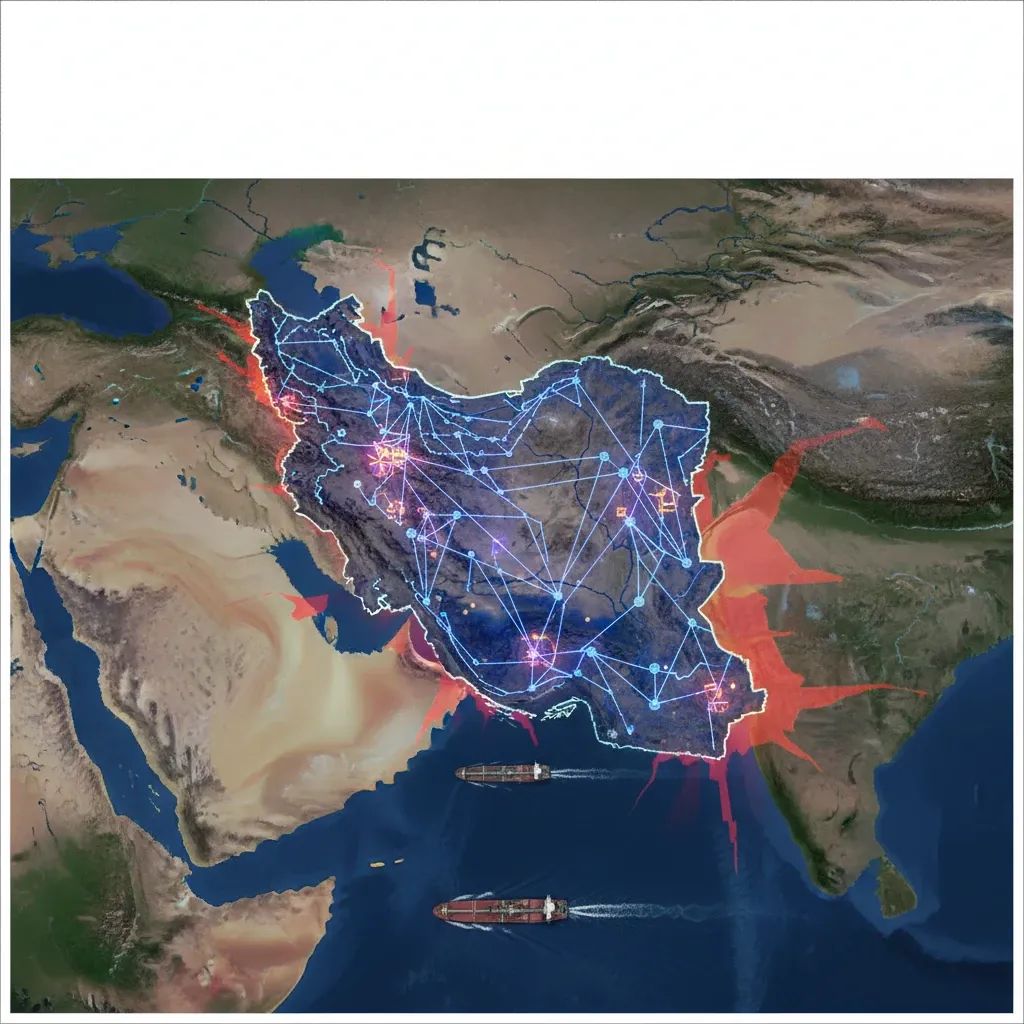
A drone strike hit an electrical generator within the perimeter of the Barakah Nuclear Power Plant in Abu Dhabi on May 17, marking the first reported attack on the facility's grounds. The plant's safety systems functioned as designed: all four reactor units maintained normal operations, radiation levels remained unchanged, and no evacuation was necessary.
What Happened
An unmanned aerial vehicle penetrated UAE air defenses and struck a generator positioned outside the plant's hardened inner containment zone. The facility, which supplies roughly 25% of the nation's electricity, sustained the strike without operational disruption. Emergency protocols activated automatically, and Nawah Energy Company, which operates the facility under Emirates Nuclear Energy Corporation oversight, confirmed that all safety measures performed as engineered.
Federal Authority for Nuclear Regulation confirmed radiation monitoring stations—positioned both inside and outside the plant's perimeter—recorded no deviation from baseline measurements. No personnel required evacuation, and residents experienced no service interruption.
International Response
The United Nations Secretary-General expressed alarm at the strike, calling it a violation of international law and international humanitarian law. The incident highlights vulnerabilities of critical civilian infrastructure in regions experiencing military tension.
The International Atomic Energy Agency, headquartered in Vienna, acknowledged the strike while confirming that the UAE had verified radiation levels remained normal. Nuclear installations operate under protections established in international conventions designating them as protected civilian infrastructure.
UAE Investigation and Response
The United Arab Emirates condemned the attack as a "treacherous terrorist act" and launched a joint investigation involving defense ministry forensic teams. Drone wreckage analysis will focus on identifying the origin of the aircraft and determining responsibility.
The Barakah facility represents critical infrastructure for the nation's energy transition. Once all four reactors reach full capacity, the plant will eliminate approximately 22.4 million tons of carbon emissions annually—a substantial contribution to the UAE's net-zero commitments.
Safety Framework
The plant incorporates redundant power systems, hardened reactor containment buildings, and surveillance networks designed to detect and respond to external threats. The generator that was struck was deliberately positioned outside the reactor's core containment zone, a design principle separating essential components from potential external threats.
The facility, built in partnership with South Korea's KEPCO, underwent multiple IAEA safety reviews before commencing operations. That safety infrastructure—tested Sunday for the first time under real-world conditions—functioned without deviation from its intended design.
What This Means for Residents
For the 5.5 million residents of the UAE, the incident demonstrates that modern hardened nuclear facilities can absorb external threats without cascading failures or public safety impact. Energy consumers saw no tariff fluctuation or supply interruption.
The Federal Authority for Nuclear Regulation and Nawah Energy Company confirmed that safety margins were never approached and that operational protocols will continue unchanged. The plant resumes normal functions with enhanced security protocols likely implemented in coordination with defense authorities.
Investigation into the incident's origins and perpetrators remains ongoing. The coming weeks will determine responsibility and inform future security assessments for critical infrastructure in the region.


