
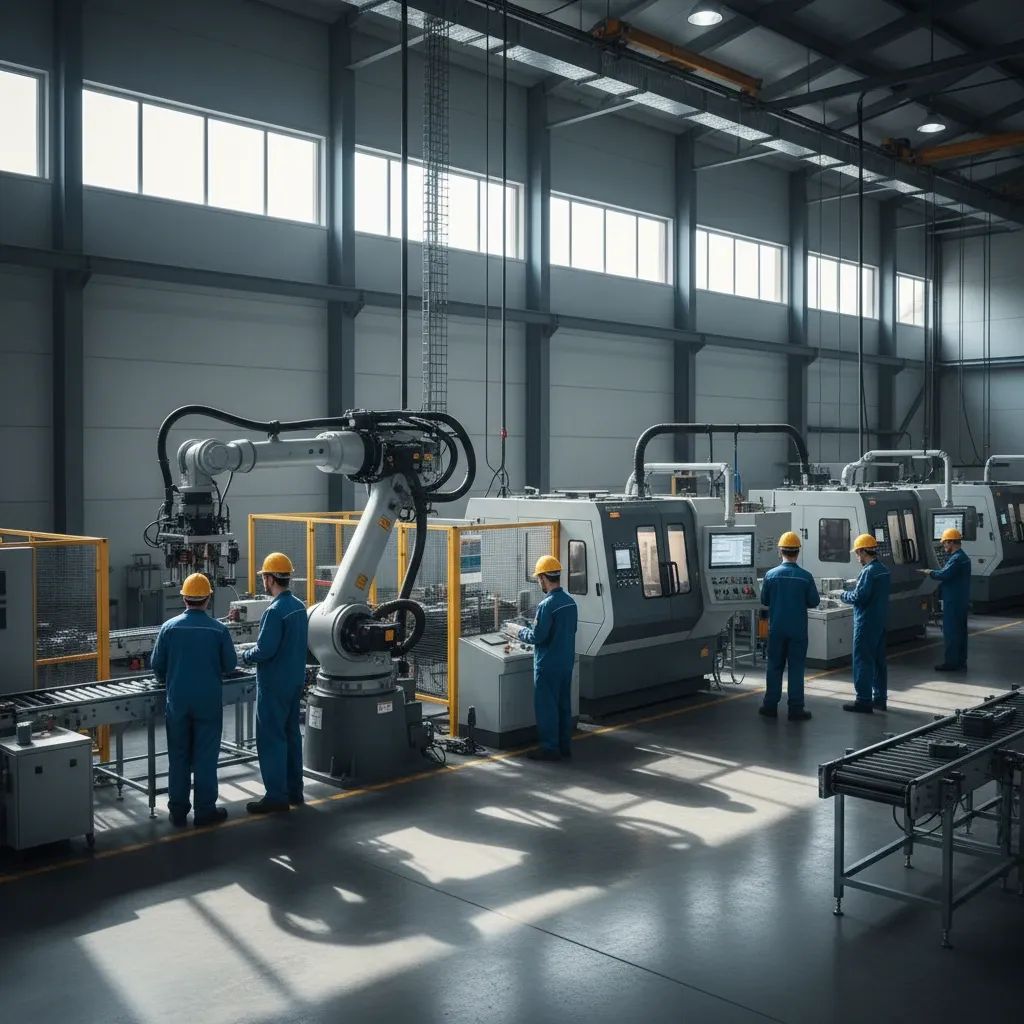
Ajman's industrial membership base has crossed the 460-mark in the opening quarter of 2026, signaling confidence among manufacturers operating in the emirate. The Chamber of Commerce and Industry has been actively promoting Ajman's industrial sector through participation in national initiatives and bilateral meetings with investors and technology providers.
Why Ajman Matters for Manufacturers
Ajman offers a competitive industrial environment with established free zone operations and government support. The emirate's industrial base attracts manufacturers across multiple sectors, with the Chamber actively engaging in promotional efforts to highlight local opportunities.
Chamber's Strategic Positioning: Rather than relying solely on administrative announcements, Chamber leadership has participated in bilateral meetings and industry events to promote Ajman's capabilities to decision-makers and international investors. This hands-on approach reflects institutional commitment to the industrial sector.
Sector Focus: The Chamber has promoted food industries, health products, chemicals, and petrochemicals as priority sectors for development in Ajman. These sectors represent areas where the emirate aims to build competitive advantage within the UAE's broader industrial landscape.
"Make it in the Emirates" Initiative: Ajman has participated in this national initiative designed to connect manufacturers with technology providers, investors, and procurement opportunities. This involvement signals commitment to integrating Ajman's industrial base with national manufacturing goals.
Ajman's Industrial Sectors
The emirate's industrial focus spans multiple clusters that respond to regional demand and strategic national priorities.
Food and Beverage: The food processing sector forms a significant part of Ajman's industrial operations. The sector includes everything from traditional food processing to emerging areas like agritech and precision agriculture technologies. This diversification responds to national priorities around food security and domestic production capability.
Chemicals and Petrochemicals: Ajman has established a chemicals sector comprising manufacturers of various chemical products and derivatives. The emirate positions itself within the broader UAE chemical manufacturing ecosystem, focusing on areas that complement larger petrochemical operations in other emirates.
Refining and Energy Products: Ajman's industrial heritage in oil and gas has evolved toward value-added products and specialty manufacturing. This reflects recognition across the UAE that moving industrial output toward higher-margin processed goods strengthens resilience against commodity price volatility.
Comparative Position Within UAE
Ajman operates as one of several industrial hubs across the emirates. Abu Dhabi leads the federation in large-scale petrochemical and downstream operations, while Dubai emphasizes service-sector industries. Ajman ranks among the active industrial emirates, competing primarily with Sharjah and Ras Al Khaimah in the mid-tier manufacturing sector.
What distinguishes Ajman's approach is organizational willingness to work directly with individual operators on facility arrangements and operational needs. This responsiveness-focused model attracts manufacturers seeking flexible partnerships with government support structures.
The Path Forward
The 460 industrial memberships registered in Q1 2026 represent the current scale of Ajman's industrial base. The emirate's industrial maturity will be demonstrated through sustained operator commitment—whether these established businesses expand capital investments, develop local supply chains, and deepen integration with Ajman's industrial infrastructure over the coming years.
For entrepreneurs, manufacturers, workers, and logistics professionals, Ajman functions as an accessible industrial hub within the UAE ecosystem. The emirate's competitive positioning, government engagement with the private sector, and participation in national industrial initiatives provide context for business decisions in the region's manufacturing landscape.


