
How the Emirates Became a Staycation Choice During Eid Al-Fitr
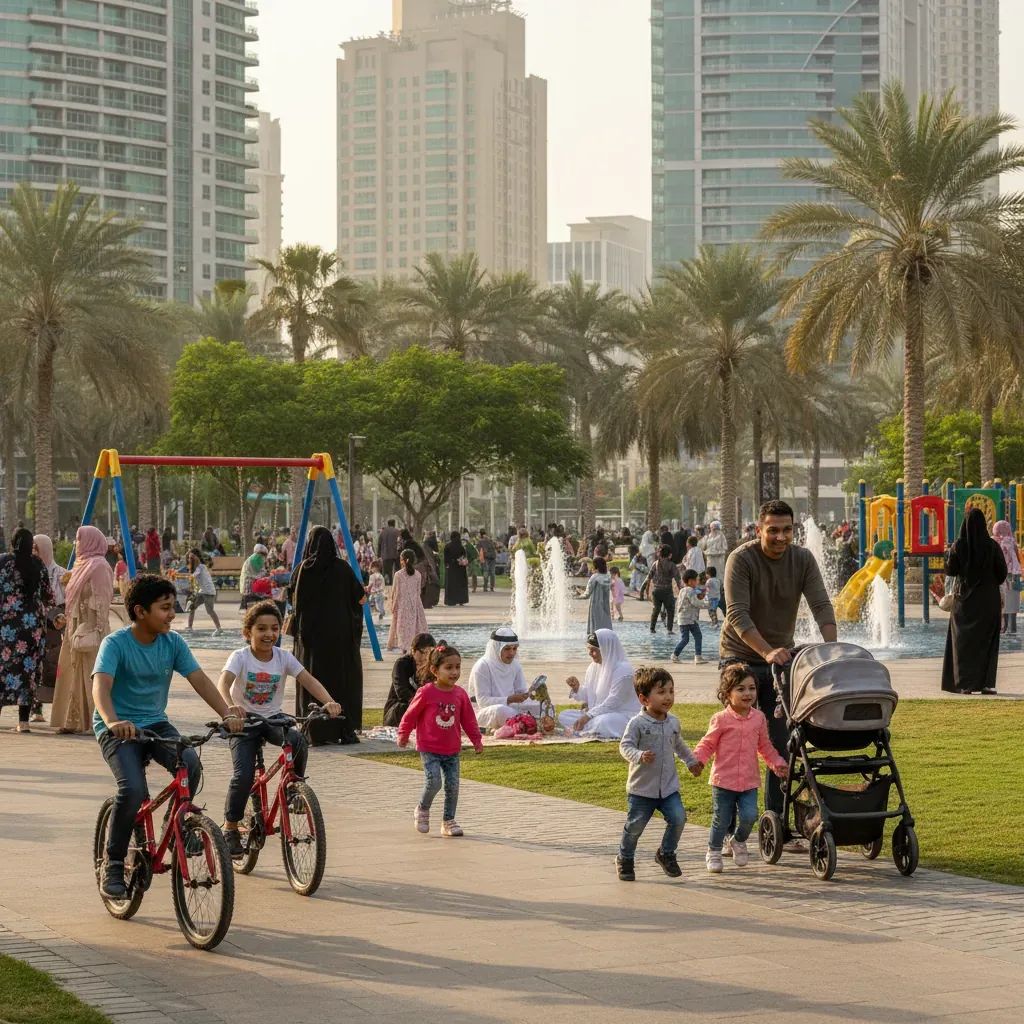
When Eid Al-Fitr arrived on March 20, 2026, something noteworthy unfolded across the United Arab Emirates: rather than boarding flights to international destinations, thousands of residents stayed local. Dubai's malls, Abu Dhabi's parks, and outdoor attractions across both emirates drew families from dawn throughout the long weekend, transforming the religious holiday into a bustling period that kept spending within the domestic economy.
Why Residents Stayed Local
• Lower costs: Families found staying local more affordable than international flights. A typical family trip to a local attraction—including food and parking—cost significantly less than booking flights for multiple people, making the choice practical for budget-conscious households.
• Accessibility: Free or waived parking, reduced entry fees to some attractions, and extended operating hours made celebrations accessible to more residents during the four-day break (March 19-22).
• Convenience: The short drive to major attractions in Dubai and Abu Dhabi eliminated travel logistics, allowing more time for actual leisure activities.
Dubai: Shopping Meets Celebration
Dubai's major venues positioned themselves as destinations during the holiday. The Burj Khalifa and Dubai Mall complex saw significant visitor traffic, with families describing their experience as casual weekend leisure. City Walk hosted traditional live performances across the weekend, creating an atmosphere that felt more cultural than purely commercial.
Several attractions made strategic moves to attract local families. Venues offered bundled packages combining multiple activities, keeping families on-site longer than typical visits. Marketing efforts emphasized all-day experiences rather than quick visits, a shift visible in promotional materials during the break period.
The Dubai Municipality designated certain public beaches with family-oriented policies, a practical accommodation reflecting diverse community preferences around public leisure spaces. Beach management coordinated lifeguard services and safety infrastructure across multiple locations.
Major parks extended operating hours and hosted evening events. The coordination across Mushrif National Park, Al Mamzar Park, and Zabeel Park—all featuring extended schedules and programming—suggested preparation for the anticipated surge in visitors.
Abu Dhabi's Cultural Programming
Abu Dhabi took a different approach, emphasizing cultural experiences. Umm Al Emarat Park hosted heritage-focused programming with performances and activities celebrating Emirati traditions. Qasr Al Watan, the presidential palace complex, offered cultural presentations and light displays throughout the holiday weekend.
The Al Ain Eid Festival (March 20-27) extended celebrations beyond the capital, distributing visitors across multiple locations and offering programming for different age groups—from activities for teenagers to cultural workshops for families.
Abu Dhabi authorities implemented practical incentives to encourage participation. Specific administrative fees were waived during the holiday period, directly reducing travel costs for residents deciding whether to venture out or stay home.
Cultural Inclusivity as a Factor
The UAE's approach to Eid celebrations emphasizes multicultural participation. Government messaging positions Islamic holidays as civic occasions rather than exclusively religious observances, with programming and venues designed to welcome all residents regardless of background.
This inclusive framing affects how residents experience the holidays. Entertainment venues, shopping districts, and parks created environments where families from diverse backgrounds felt comfortable participating in celebrations, a practical consideration for a population with substantial international representation.
The Economic Calculation
For residents weighing their options, the math favored staying local. Typical domestic flight costs for families competing with local entertainment packages created a clear financial incentive. When combined with promotional pricing, free parking, and reduced entry fees, local attractions became the practical choice for many households.
The aggregate effect—hundreds of thousands of residents choosing staycations—kept consumer spending within the UAE economy across hospitality, food service, and entertainment sectors during a period when many would traditionally travel abroad.
The Operational Reality
What distinguished the holiday period was the coordinated effort to accommodate demand. Government entities, cultural venues, and commercial operators worked to expand access and capacity rather than restrict it. Extended hours, additional programming, and strategic fee suspensions created genuine choice for residents rather than forcing all demand through single iconic landmarks.
This level of coordination reflected accumulated experience managing peak periods. The machinery worked smoothly enough that most residents simply experienced an accessible, enjoyable holiday period without recognizing the logistics behind it.
What It Means for UAE Residents
For non-Muslim and expatriate residents—groups representing a substantial portion of the UAE population—Eid celebrations were positioned as inclusive civic events. Venues remained open, entertainment programming welcomed diverse audiences, and the official messaging consistently emphasized that celebrations were for all residents, regardless of faith background. This created practical accessibility: shops and restaurants were open, attractions were available, and social spaces were actively welcoming participation from all communities.
Many expatriate families described the holiday weekend as an opportunity for quality time locally, without needing to arrange leave or navigate international travel logistics. For working residents, the convenience of local entertainment eliminated the planning burden of international trips while delivering comparable leisure experiences.


