
The United Nations has emerged as the central diplomatic force attempting to broker peace in a spiraling Gulf conflict that has choked global energy flows and displaced millions, with a former senior European official now arguing that UN-led mediation represents the only viable route to prevent wider catastrophe.
Why This Matters for You
• Energy Security: The Strait of Hormuz crisis directly affects fuel prices and supply chains for residents and businesses in the United Arab Emirates and globally
• Regional Stability: A multi-front conflict involving the United States, Israel, and Iran threatens long-term economic and security interests across the Gulf
• Immediate Impact: Fuel costs, shipping delays, and job market uncertainty are already affecting UAE residents and expatriates
• Diplomatic Window: A fragile ceasefire is on life support, with the coming days critical for determining whether the crisis stabilizes or escalates
UN Appoints Ground Envoy as "Gulf War" Spins Out of Control
UN Secretary-General António Guterres appointed veteran diplomat Jean Arnault as his Personal Envoy on March 25, tasking him with working "directly on the ground" to salvage peace efforts in what Guterres has described as a conflict that is "out of control." The move signals the gravity of a multi-front armed confrontation that erupted on February 28, pitting Iran against US and Israeli forces and triggering the worst maritime crisis in the Gulf since the 1980s.
Arnault's mandate is expansive: engage all parties, assess the conflict's cascading impacts, and find diplomatic pathways through what has become a tangled web of national grievances, nuclear tensions, and territorial disputes. His appointment came just days after the UN Security Council adopted Resolution 2817 in March, a text presented by Bahrain on behalf of the Gulf Cooperation Council (GCC) and Jordan that formally condemned Iranian attacks against Gulf states as breaches of international law and serious threats to peace.
The resolution provides a framework for follow-up actions—investigations, violation reporting, and potential sanctions—but its real value lies in establishing a legal and diplomatic baseline for UN engagement. For residents and businesses in the United Arab Emirates, the resolution represents a formal acknowledgment that the conflict has crossed red lines, with implications for regional trade, investment confidence, and security planning.
Strait of Hormuz: The Chokepoint That Moves Markets
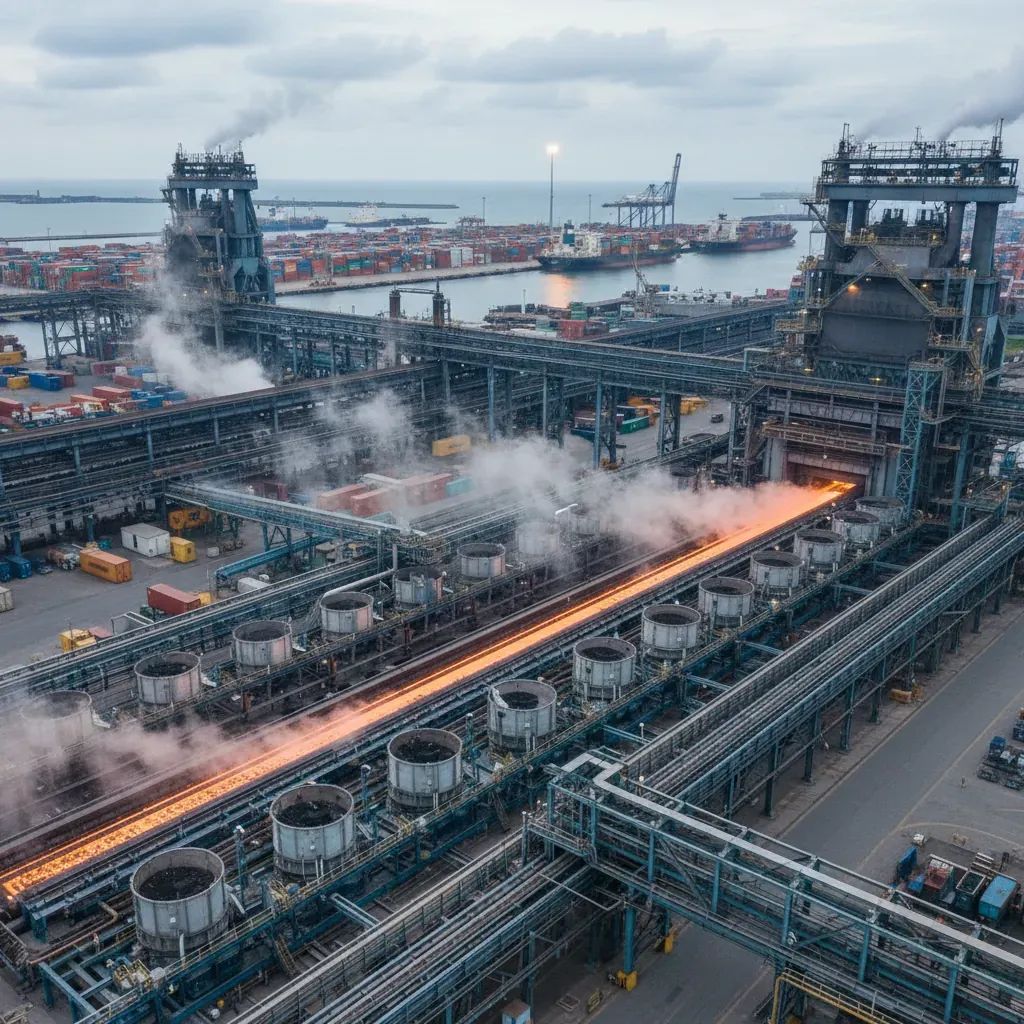
Nearly 30% of global seaborne oil passes through the Strait of Hormuz, and its disruption has sent energy markets into turmoil. A US-imposed blockade and Iranian counter-moves have effectively throttled shipping, raising fuel costs and creating shortages that ripple through industries dependent on just-in-time supply chains.
For UAE residents, this means real pressure at the pump. While exact daily price fluctuations depend on global oil benchmarks, the maritime disruptions have contributed to elevated fuel costs across the Emirates. Key UAE ports including Port Rashid in Dubai and Port Khalifa in Abu Dhabi have experienced shipping delays and increased insurance costs for vessels transiting the Strait.
A draft UN Security Council resolution on maritime security in the Strait, tabled by Bahrain and other Gulf states, failed to pass on April 7 after China and Russia voted against it. The veto exposed deep geopolitical fault lines, but it has not stopped the UN from exploring alternative mechanisms. Guterres has expressed readiness to facilitate an arrangement similar to the Black Sea Initiative, which successfully enabled grain shipments during the Ukraine conflict.
The UN is now working with the UN Office for Project Services (UNOPS), UN Trade and Development (UNCTAD), the International Maritime Organization (IMO), and the International Chamber of Commerce to establish a humanitarian corridor through the Strait. This effort is driven by urgent food and medical needs, with UN officials warning that disrupted fertilizer supplies could trigger a secondary crisis in global agriculture.
What This Means for UAE Residents and Businesses
Economic Impact: The success or failure of the ceasefire extension will directly determine whether shipping lanes reopen fully. This impacts fuel prices at UAE pumps, logistics costs for goods you buy, and overall cost of living. The UAE's economy, heavily reliant on trade and aviation, is particularly sensitive to prolonged maritime disruptions.
Employment Concerns: Logistics, shipping, and import-export sectors employing thousands of UAE residents face potential disruptions if the crisis escalates. Companies have begun reviewing contingency plans and workforce arrangements.
Security and Travel: A collapse of UN-brokered talks could escalate the conflict further, potentially affecting UAE airspace and flight operations. Emirates airline and other carriers have already adjusted routes and schedules.
Business and Banking: UAE-based companies with supply chains or operations in conflict-affected areas face workforce disruptions and contract uncertainties. Major financial institutions are monitoring evolving UN mandates and sanctions frameworks that could affect banking and trade finance operations in the Emirates.
Official UAE Position: The UAE government has consistently called for de-escalation and diplomatic solutions, positioning the Emirates as a neutral regional hub. The country remains open for business, but residents and investors should monitor official advisories from the Ministry of Foreign Affairs and International Cooperation.
Ceasefire Deadline: Time Is Running Out
A fragile two-week ceasefire between the United States and Iran, brokered by Pakistan, Egypt, and Turkey, was set to expire around April 22. As of late April 2026, mediation efforts are ongoing to extend this ceasefire, but the situation remains fluid and no permanent agreement has been reached.
This truce successfully facilitated the temporary reopening of the Strait of Hormuz, but mediators are now racing to extend it and transform the pause into a durable settlement. The sticking points are formidable: Iran's nuclear program, compensation for wartime damages, and the long-term status of the Strait. China has also tabled a four-point proposal aimed at promoting Middle East stability, adding another layer to the diplomatic landscape.
The involvement of multiple brokers—regional powers, the UN, and major economies—underscores both the urgency and the complexity of finding common ground. Saudi Arabia is being actively consulted for its diplomatic experience and its stake in regional stability, while Bahrain—which assumed the rotating presidency of the UN Security Council in April 2026—has championed advocacy for a unified global stance against aggression. The GCC countries have collectively reaffirmed support for UN efforts, recognizing that their economic futures are bound to the outcome of these talks.
Yemen: A Second Front at Risk
The Gulf crisis has also threatened to derail the fragile peace process in Yemen, where UN Special Envoy Hans Grundberg continues to engage with Yemeni parties and regional actors. In April, Grundberg held discussions with Yemeni government officials, warning that Yemen's future must not be dictated by regional turmoil.
A particular concern is the Houthis' involvement in the wider conflict through military attacks against Israel. The UN has urged the group to disengage and commit to diplomatic channels, but the risk remains that Yemen could become a proxy battlefield, further complicating mediation efforts and deepening the humanitarian catastrophe.
UN and Gulf States Partner on Crisis Response
In early April, the UN Security Council held high-level discussions focused on cooperation between the UN and the Gulf Cooperation Council. Chaired by Bahrain, these meetings aimed to strengthen partnerships in conflict prevention, mediation, peacebuilding, counter-terrorism, and humanitarian response. The discussions emphasized collaboration on shared challenges like maritime security and food and water security.
For the UAE and its Gulf neighbors, this partnership represents a strategic alignment of interests in stabilizing the region through diplomatic channels.
What UAE Residents Should Watch Next
The coming weeks will determine whether the current ceasefire holds or collapses:
• Key Deadline: Extended ceasefire negotiations expected to conclude by late April/early May 2026
• Port Status: Monitor updates on Strait of Hormuz shipping corridors and Port Rashid/Port Khalifa operations
• Fuel Price Updates: Watch for announcements from ADNOC and UAE fuel retailers on price adjustments
• Travel Advisories: Stay informed of UAE government and airline updates regarding flight routes and operations
• Employment News: Companies in logistics and trade sectors may announce workforce adjustments based on ceasefire outcomes
The appointment of Jean Arnault, the adoption of Resolution 2817, and ongoing ceasefire negotiations represent a diplomatic architecture that, while fragile, offers a pathway out of the current crisis. But the window is narrow, and the coming days will test whether regional and international actors can choose negotiation over escalation.
For UAE residents and businesses, the success of UN-led mediation will directly influence fuel costs, job stability, investment confidence, and the Emirates' role as a regional hub for trade and finance. The message from international diplomats is clear: there is no military solution to this conflict, only a diplomatic one—and the UN remains the most credible platform to broker it.


