The United Arab Emirates National Centre of Meteorology is signaling four days of predictable conditions heading into the final week of April. Between now and April 28, temperatures will climb steadily toward the mid-to-high 30s°C, dust-laden winds will episodically reduce visibility along critical transit corridors, and the Arabian Gulf will alternate between manageable and hazardous conditions for maritime operations.
Quick Facts: What to Expect
• Temperatures: Abu Dhabi rises from 33°C Friday to 38°C Monday; Dubai advances from 34°C to 36°C; Sharjah potentially touches 39°C by mid-week. Nighttime lows: 20–27°C
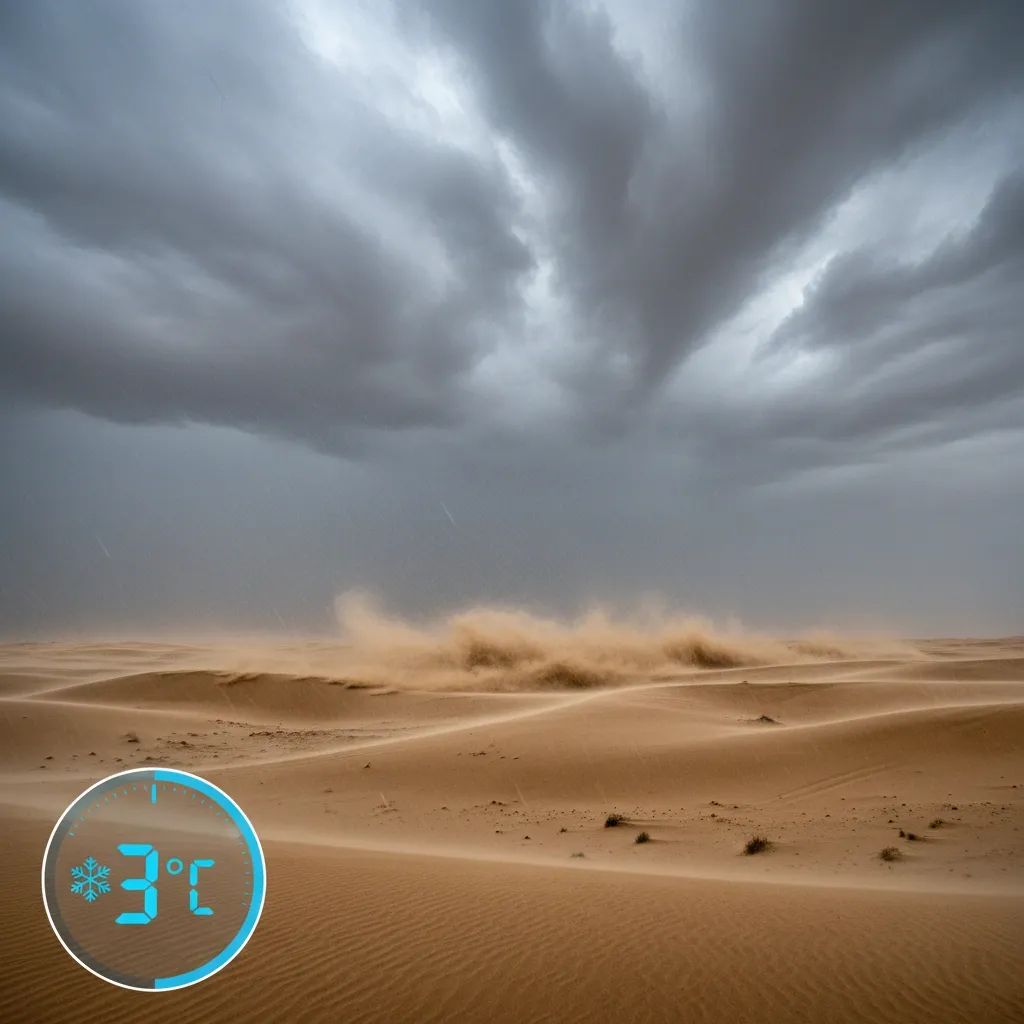
• Dust Impact: Fresh winds (25–35 km/h sustained, gusts to 40 km/h) will create intermittent visibility challenges on Route 66 toward Sweihan, routes through Madinat Zayed, and the E11 coastal highway
• Sea Conditions: Arabian Gulf transitions from slight to moderate-to-rough, particularly in western offshore areas. Wave heights may exceed 1.5 meters by weekend
• Cloud Cover: Increased overcast skies Sunday along the Arabian Gulf coast, but minimal rainfall expected (April typically averages only 2 rainy days and 7mm precipitation)
The Temperature Climb: What This Means for You
Abu Dhabi will climb from 33°C on Friday to 38°C by Monday. Dubai's progression mirrors this pattern, advancing from around 34°C to 36°C over the same span. Sharjah potentially touches 39°C by mid-week. These represent a decisive step toward May's more oppressive heat.
Nighttime temperatures will hover between 20°C and 27°C, depending on location. Coastal zones benefit from sea breezes that moderate nocturnal temperatures; interior areas like Al Ain will see nights warm faster, reducing natural cooling and making sleep more uncomfortable without active air conditioning.
Dust and Visibility: Planning Your Commute
The key wildcard remains wind direction and intensity. Winds will nominally be light to moderate, but "fresh" intervals—typically 25–35 km/h sustained, with gusts reaching 40 km/h—will intermittently stir loose dust and sand.
Northern emirates and the corridor between Abu Dhabi and Al Ain sit at highest risk. Route 66 heading toward Sweihan and routes through Madinat Zayed have historically experienced the sharpest visibility degradation when winds freshen. The E11 coastal highway also faces periodic dust incursions, particularly when winds swing southeasterly.
Driver Safety Tips:
• Reduce speed proactively and activate hazard lights as visibility drops
• Maintain a larger following distance than usual
• Verify tire pressure before extended drives—dust accumulation accelerates wear
• Replace cabin air filters clogged by recent dust; top up windshield washer fluid
• Use sunshades to keep vehicle interiors below 70°C, easing the cooling load on restart
Maritime Operations: Weekend Sea Caution
The Arabian Gulf begins the forecast period with slight to moderate conditions but will transition toward rough seas, particularly in western offshore areas. This is not an outright closure warning, but it is a boundary condition where recreational activities and smaller vessels face material risk.
For Boaters and Ferry Operators:
• File detailed float plans before departure and carry redundant communication devices
• Monitor the National Centre of Meteorology marine forecast app for hourly updates
• Early Friday morning typically offers the calmest conditions; later afternoon and evening frequently see deterioration
• Verify weather windows before setting departure times, especially for weekend leisure trips (fishing, diving, island hopping)
• Anchor options and alternative routes warrant advance scouting, particularly in western quadrants where wave heights will exceed 1.5 meters
Heat Stress and Outdoor Work
The United Arab Emirates labor law imposes mandatory midday breaks and work restrictions when combined temperature-humidity indices cross regulatory thresholds. Enforcement intensifies through late April as heat stress complaints accumulate. Employers managing construction crews, delivery logistics, and outdoor maintenance staff should shift demanding tasks toward early morning or late evening schedules starting immediately.
Worker Safety Reminders:
• Maintain vigilant hydration: at least 3 liters of water daily, with electrolyte sachets accessible during breaks
• Recognize early heat-stress symptoms—dizziness, sudden fatigue, nausea, or cognitive sluggishness—as markers for immediate withdrawal from direct sun
• Wear lightweight, light-colored clothing that reflects rather than absorbs solar radiation; avoid dark or synthetic fabrics
• Vulnerable populations (elderly residents, young children, individuals with cardiovascular conditions) require regular contact during peak heat hours and frequent indoor breaks
Practical Guidance for the Coming Week
The four-day window offers a practical opportunity to complete vehicle maintenance, air-conditioning inspections, and supply runs before May's deeper heat arrives. Prioritize errand timing: early mornings and late evenings will feel substantially more comfortable than midday hours.
Stay connected to official channels. The NCM website and mobile app provide real-time updates, marine forecasts, and hourly adjustments. Local news outlets highlight specific warnings for communities most vulnerable to heat stress or dust. Adjust daily routines to the temperature curve—earlier starts, later outdoor engagement, and midday indoor breaks—rather than fighting the heat directly.
These four days are predictable within the normal range of seasonal spring conditions in the United Arab Emirates. Plan accordingly, respect the meteorological rhythms governing life in a desert nation, and maintain situational awareness as conditions evolve through April 28.