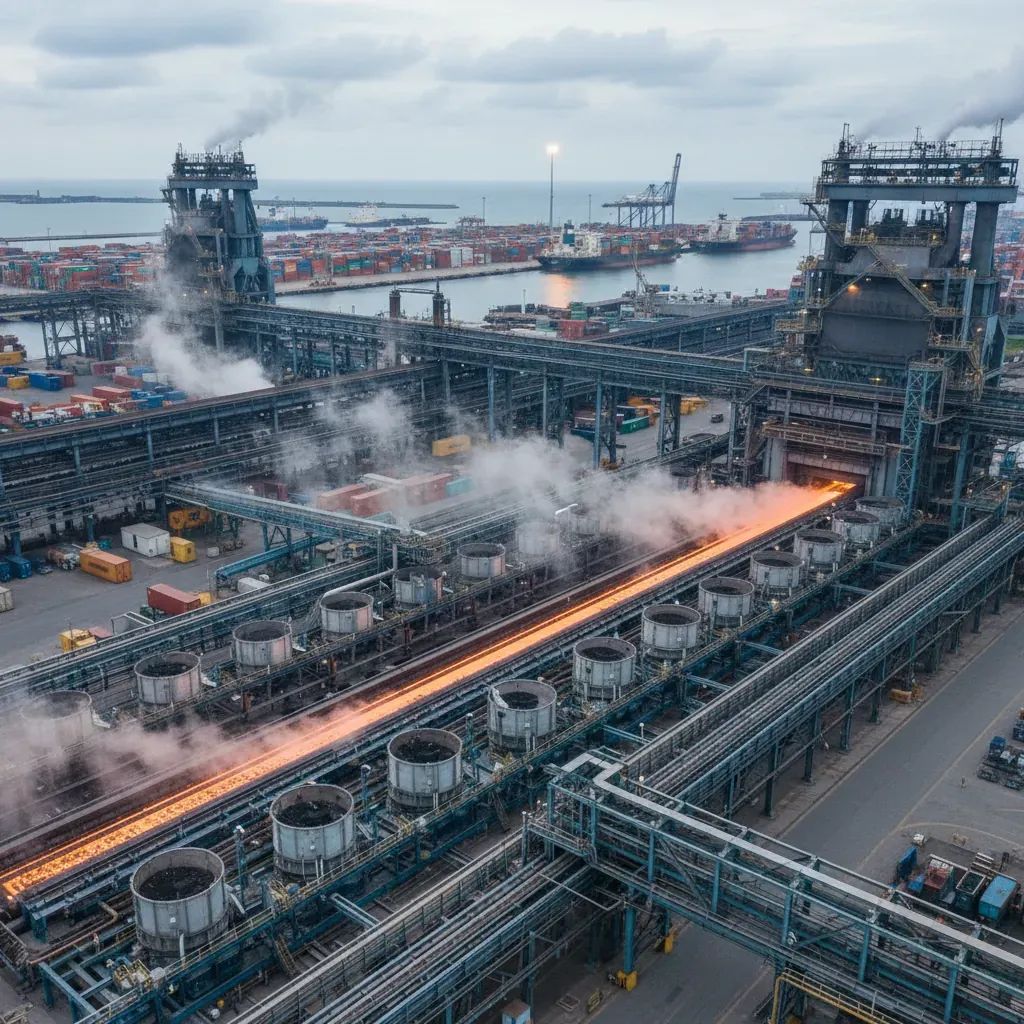
The International Maritime Organization's Legal Committee formally condemned Iran's obstruction of the Strait of Hormuz during its 113th session concluded April 17, marking a rare multilateral rebuke with significant implications for shipping costs, fuel prices, and energy security across the United Arab Emirates and the wider region.
Why This Matters
• Diplomatic validation: The IMO resolution provided legal backing for any escalated responses to Iranian actions and strengthened the UAE's international standing in maritime governance.
• Shipping cost implications: Businesses across the Emirates faced elevated insurance premiums and rerouting expenses; legal experts suggest the resolution could provide contractual grounds to pursue force majeure compensation for delays and additional costs incurred during the blockade.
• Energy vulnerability exposed: While the UAE's strategic reserves cushioned the initial impact, the crisis highlighted how prolonged disruptions could force rationing or costlier alternative import routes, with direct consequences for fuel prices at pump stations.
How the Strait Crisis Unfolded
Beginning in late February 2026, Iran systematically restricted vessel passage through the waterway that carries roughly one-fifth of the world's oil supply. The blockade intensified through March, with tanker traffic initially collapsing 70% before dropping to near-total cessation by early April. The Islamic Revolutionary Guard Corps issued explicit warnings, conducted confirmed attacks on merchant ships, and declared certain vessels—those deemed "hostile" or flagged to the United States and Israel—ineligible for passage.
By late March, naval mines had been deployed across the waterway, according to U.S. military assessments. These weapons represented a clear violation of the United Nations Convention on the Law of the Sea, which guarantees unimpeded transit passage through international straits regardless of origin or political alignment. The United States subsequently launched mine-clearing operations, though the full scope of the mining remained uncertain and Iran retained the capability to deploy additional devices.
The Toll Booth Doctrine and Financial Extortion
What distinguished the current crisis from previous naval confrontations was Iran's systematic toll collection scheme. Formalized by Iran's parliament on March 30-31 as the "Strait of Hormuz Management Plan," the system required ship operators to contact IRGC-linked intermediaries, submit detailed vessel and cargo manifests, and pay transit fees. These charges typically began at approximately $1 per barrel of crude oil, translating to as much as $2 million per voyage for fully loaded supertankers.
The payment mechanism revealed Iran's sanctions evasion strategy. Operators could not transact in dollars due to U.S. financial restrictions, so Iran demanded payment in Chinese yuan or cryptocurrencies including Bitcoin and stablecoins. Based on typical tanker volumes and traffic patterns, analysts estimated this arrangement could generate significant daily revenue for a government operating under multilateral economic restrictions.
UAE's Diplomatic Victory at the IMO
The GCC Secretary-General Jasem Mohamed Albudaiwi, speaking from Riyadh, singled out the United Arab Emirates' diplomatic corps for successfully drafting the resolution that the IMO Legal Committee adopted. This represented a significant procedural achievement; the IMO Legal Committee rarely achieves such consensus on politically contentious maritime issues.
The resolution's scope extended beyond purely maritime concerns. It explicitly condemned not only Iran's obstruction of the strait but also Iranian attacks on GCC member state territories and Jordan, weaving regional security threats into a single legal instrument. This framing positioned the UAE as a sophisticated diplomat capable of linking distinct grievances through international maritime law—a strategy that elevated the Emirates' profile within global governance structures.
Australia vocally supported the resolution, calling on Iran to cease vessel attacks, remove deployed mines, and comply with international maritime law obligations. The multilateral backing signaled growing international alignment against Iran's actions, though it remained unclear whether this consensus would translate into coordinated military or enforcement mechanisms.
Impact on Daily Life and Business Operations
For residents and enterprises throughout the United Arab Emirates, the Hormuz crisis materialized in immediate, tangible ways. Petrol stations in Abu Dhabi and Dubai experienced pump price volatility in March as logistics networks fractured. While the UAE's strategic petroleum reserves provided short-term cushioning, the crisis demonstrated that prolonged closure would necessitate either fuel rationing or costlier imports via alternative routes—a scenario that would cascade through transportation, construction, and consumer prices.
Shipping insurance premiums for goods entering UAE ports spiked as underwriters priced in war risk. Container freight from Asia to Jebel Ali port, already elevated since the pandemic, climbed further as carriers abandoned the Hormuz route entirely. Circumnavigating the Cape of Good Hope added 10-14 days to transit times and thousands of dollars per container. Retailers throughout the Emirates absorbed portions of these costs, but electronics, automotive components, and perishables all faced upward price pressure that consumers ultimately encountered at point of sale.
The UAE's own energy exports faced logistical complications. Abu Dhabi National Oil Company shipments destined for Asian markets confronted a stark choice: pay Iran's cryptocurrency-denominated toll or remain moored idle. The toll option set a dangerous precedent that legitimized extortion in international waters. The IMO resolution explicitly condemned this fee system, affirming that no coastal state may levy charges for exercising transit passage rights—language that strengthened the legal position of UAE energy exporters in future arbitration disputes.
The Enforcement Question
The IMO resolution carried significant symbolic and legal weight, yet its enforcement mechanisms remained ambiguous. The organization possessed no naval assets and depended on member state compliance with its determinations. The resolution's language demanding Iran cease attacks and remove mines presupposed external enforcement capabilities—mine-clearing operations conducted by the United States, diplomatic pressure from the European Union and Asian trading partners, or additional military coordination among GCC navies.
IMO Secretary-General Arsenio Dominguez highlighted during the session that approximately 20,000 seafarers remained stranded or experienced delays due to the Hormuz situation—a humanitarian dimension that had received less attention than economic impacts but underscored the human cost of maritime disruption.
For UAE-based shipping companies and logistics operators, the resolution provided contractual leverage. Agreements incorporating clauses referencing "acts of piracy or state interference in international waters" could invoke an official IMO finding to support force majeure claims and compensation demands. This may prove valuable in arbitration proceedings as businesses seek recovery for delays, rerouting costs, and cargo losses incurred during the March-April closure.
What Comes Next
The UAE Ministry of Energy and Infrastructure has not yet issued formal guidance clarifying how the IMO resolution affects commercial operations, but legal advisers expected the government to leverage this document in bilateral negotiations with Tehran and coordinated GCC strategy sessions. Residents and businesses should monitor announcements from the UAE Ministry of Energy and Infrastructure and the Dubai Chamber of Commerce for guidance on how the resolution may affect commercial operations, shipping timelines, and fuel pricing.
The Emirates has historically maintained pragmatic, though occasionally strained, relations with Iran. The multilateral legal backing now available provided political cover for any firmer diplomatic or economic posture the UAE chose to adopt.
The resolution's success—whether it translated into the Strait remaining open for sustained international commerce—depended substantially on factors beyond the IMO's control. The durability of any ceasefire, the pace of completed mine-clearing operations, and the willingness of Asian petroleum buyers to reject Iran's toll demands would determine practical outcomes. For now, the resolution stood as a documented diplomatic achievement for UAE diplomacy at the IMO and a valuable legal instrument for residents and enterprises navigating the complex, uncertain waters—literal and figurative—of contemporary Gulf maritime commerce.