
A Strategic Pivot: UAE Deepens African Engagement Through Mozambique Partnership
The United Arab Emirates Minister of State Sheikh Shakhboot bin Nahyan Al Nahyan traveled to Maputo on March 12 to meet with Mozambique's President Daniel Chapo, delivering a strategic engagement aimed at strengthening bilateral economic ties across multiple sectors. This ministerial visit represents a deliberate expansion of the UAE's diplomatic and economic footprint into Southern Africa—a region offering long-term partnership opportunities in energy, trade, logistics, and investment.
Why This Matters
The visit addresses three core areas of bilateral cooperation:
• Energy sector alignment: Discussions centered on natural gas projects and renewable energy initiatives. The UAE has existing interests in Mozambique's offshore energy developments, and this meeting reaffirmed commitment to collaborative frameworks in conventional and clean energy transition.
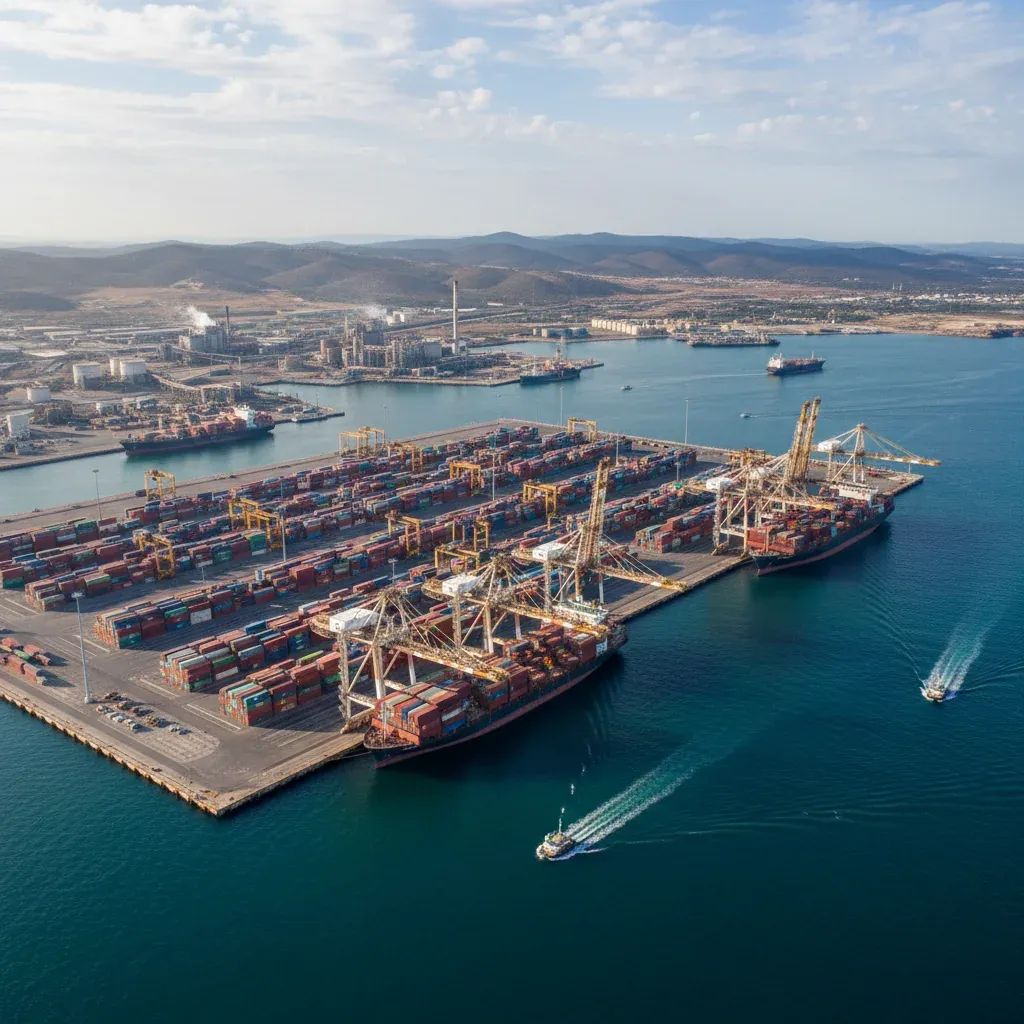
• Port and logistics development: Maputo Port, already co-managed by DP World, remains a focal point for regional infrastructure expansion. Investment in port capacity enhancement serves broader Southern African trade flows and creates opportunities for regional logistics coordination.
• Trade and investment frameworks: Bilateral trade has grown substantially, with officials discussing mechanisms to deepen commercial ties and explore new partnership opportunities across sectors including agriculture, digital services, and manufacturing.
The Timing: Regional Context
The ministerial visit occurs amid heightened regional security dynamics. The UAE has intensified diplomatic outreach across multiple continents to strengthen economic partnerships and demonstrate international resilience. Mozambique's engagement with the UAE reflects broader African interest in diversified economic partnerships and bilateral cooperation frameworks.
For residents and businesses in the Emirates, this bilateral advancement signals continued government focus on economic diversification and expansion of commercial opportunities beyond traditional Middle Eastern markets. The strengthening relationship with Mozambique extends the UAE's economic reach into strategic African markets.
Energy: A Dual-Track Strategy
Natural gas cooperation remains central to bilateral discussions. The UAE maintains interests in Mozambique's offshore Rovuma Basin concessions, which include significant liquefied natural gas (LNG) development potential. Simultaneously, renewable energy cooperation is advancing, reflecting both nations' interest in energy transition frameworks alongside conventional energy developments.
This dual approach—balancing hydrocarbon revenue with clean energy investment—mirrors regional trends where energy security and climate commitments advance in parallel. Professionals in energy sectors working in the UAE will likely see career opportunities expand as these bilateral frameworks develop through engineering and project execution phases.
Maputo Port: Regional Logistics Strategy
DP World's ongoing management of Maputo Port positions the facility as a critical gateway for Southern African trade. The ministerial discussions reportedly reaffirmed support for port expansion and capacity enhancement—developments with implications for regional logistics efficiency.
The port's strategic importance extends beyond Mozambique, serving as an outlet for landlocked nations within Southern Africa and positioning the UAE as an infrastructure partner across the region. For companies in the Emirates engaged in supply chain management, maritime services, and emerging-market logistics, this partnership expansion creates visibility into ongoing project development.
Trade Relations: A Growing Partnership
Bilateral trade relations have expanded significantly, with both nations discussing mechanisms to deepen commercial engagement. According to recent economic developments, UAE-Mozambique trade has shown strong growth momentum, driven by diversified product categories and emerging sectors.
Officials discussed a potential Comprehensive Economic Partnership Agreement (CEPA) framework—a formal mechanism designed to reduce tariff barriers and facilitate deeper trade integration. Such agreements typically create opportunities for manufacturers seeking African market access and for service providers offering technical expertise in emerging markets.
Agriculture and Digital Governance: Emerging Opportunities
Beyond energy and port infrastructure, bilateral discussions encompassed agricultural cooperation and digital service initiatives. These sectors reflect the depth of partnership ambitions, moving beyond traditional resource-based commerce into technology transfer and sectoral modernization.
Agricultural projects potentially include infrastructure development and production support initiatives, while digital governance cooperation aligns with broader African interests in modernizing state services and administrative systems—areas where UAE companies have developed substantial expertise through regional and international projects.
What This Means for UAE Residents and Businesses
For expatriates and companies in the United Arab Emirates, this bilateral partnership advancement offers several considerations:
Project Visibility: The ministerial agreement affirms ongoing bilateral project development in energy, infrastructure, and services sectors. Companies with experience in emerging-market infrastructure, renewable energy deployment, and port operations should monitor official procurement channels for announcements throughout 2026.
Sectoral Opportunities: Bilateral business forums and partnership discussions are anticipated to generate concrete opportunities across multiple sectors. The UAE-Mozambique business community typically hosts formal engagement platforms to facilitate private-sector partnerships and project introductions.
Economic Diversification Signal: This partnership underscores the UAE government's commitment to broadening economic ties across continents, signaling to investors and companies that market diversification and long-term partnership development remain strategic priorities despite regional challenges.
Companies considering engagement in African markets or seeking to expand supply chain networks into Southern Africa should view this development as an indicator of sustained bilateral momentum. Official bilateral business forums and partnership events will provide platforms for detailed project exploration and partnership introductions as frameworks formalize through 2026.


