
The United Arab Emirates Ministry of Foreign Trade has wrapped up a week-long economic mission to Windhoek, clearing a pathway for Emirati capital to flow into Namibia’s fast-growing energy, mining and food-export sectors.
Why This Matters
• Cheaper protein on UAE shelves: Namibia wants to ship more halal-certified beef, potentially easing red-meat prices that climbed 9% in the Emirates last year.
• Green hydrogen foothold: Early entry could give UAE companies a stake in Africa’s largest prospective green-fuel corridor, useful for meeting Net-Zero 2050 targets.
• Tax clarity ahead: Negotiators signalled intent to fast-track a double-taxation and investment-protection pact, lowering risk for family offices and sovereign funds.
• Gateway to SADC: Partnerships at Walvis Bay port promise shorter routes into a 360 million-person Southern African Customs Union market.
Inside the Windhoek Talks
Unlike set-piece conferences that end with ribbon-cutting photos, this forum functioned as a deal-design workshop. Dr Thani bin Ahmed Al Zeyoudi led a 45-strong private-sector delegation spanning logistics, healthcare, aviation and critical-minerals processing. On the Namibian side, six cabinet-level officials laid out sector-specific wish lists—from finishing plants for rough diamonds to irrigation systems for semi-arid farms.
Negotiators agreed to draft three cornerstone agreements by mid-2026: a comprehensive free-trade accord, a stand-alone investment-protection treaty, and the ever-pragmatic double-taxation agreement. While no MoUs were inked on-site, technical teams are due in Abu Dhabi in April to convert talking points into legal text.
Sectors Ripe for Emirati Capital
Green Hydrogen & Renewables – Namibia’s Lüderitz wind corridor boasts world-leading load factors. Masdar and ADNOC representatives explored minority stakes in a 3 GW electro-lyser park that could deliver ammonia exports by 2029.
Diamond Value Addition – Al Etihad Gold and Dubai Multi Commodities Centre discussed setting up a polishing cluster in Windhoek, securing feedstock for UAE jewellery exporters and reducing reliance on third-country cutters.
Agro-processing & Halal Meat – With the Emirates importing 90% of its food, Namibia’s disease-free beef herds offer a new protein pipeline. Pilots for chilled-meat air freight via Etihad Cargo are under review.
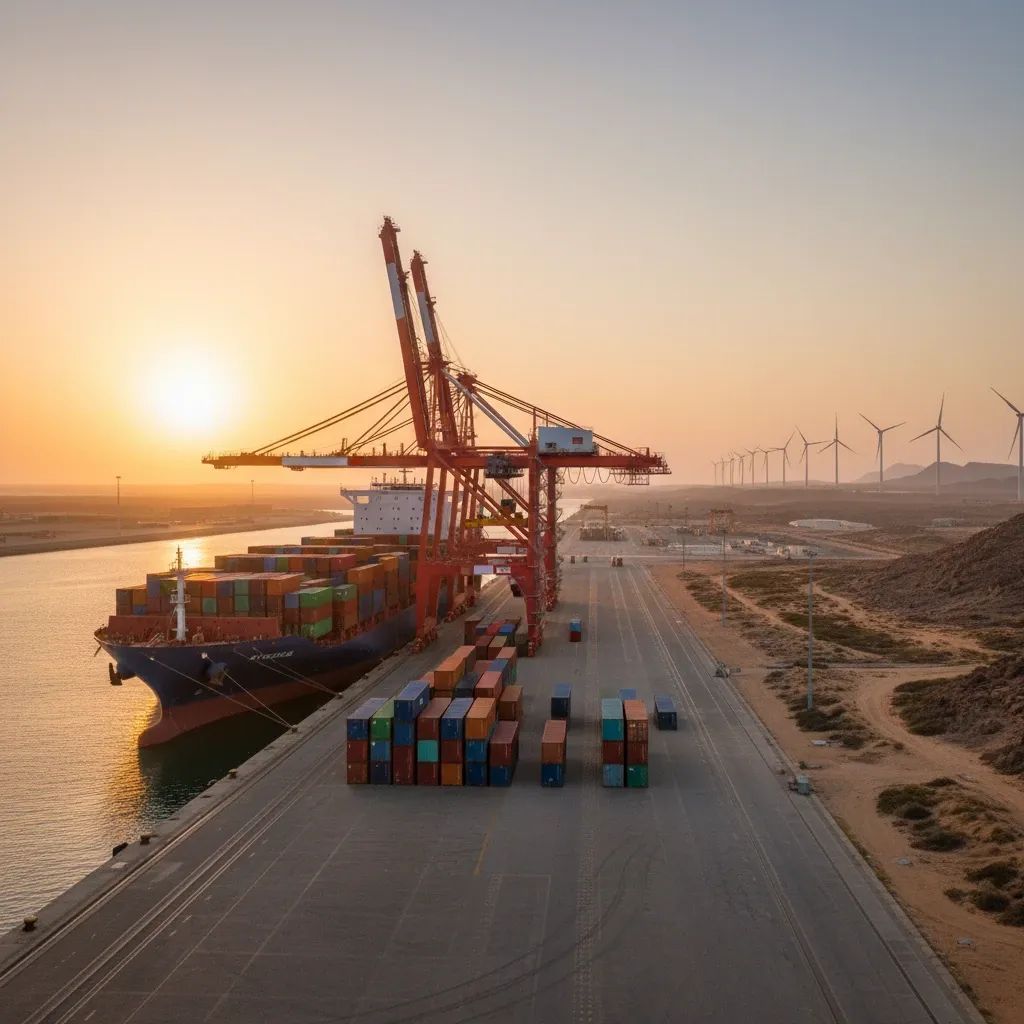
Logistics & Ports – Abu Dhabi Ports evaluated investment in Walvis Bay container berths, potentially turning the Atlantic gateway into a re-export node for UAE-Africa trade.
Healthcare & Pharma – PureHealth and Rafed scouted partnerships to refurbish two Windhoek hospitals, dovetailing with Namibia’s 10-year digital-health roadmap.
What This Means for Residents & Businesses
For Emirati SMEs, Namibia is no longer a distant dot on the map. Duty-free access, once the free-trade pact is sealed, could slash export costs on UAE-made cabling, desalination units and modular housing. Venture funds eyeing critical minerals—graphite, lithium—gain a friendlier legal shield once the investment-protection treaty is signed.
Consumers may notice the effect first: Namibian beef cuts could reach UAE supermarkets by Q3 at prices competitive with Australian imports. Travel professionals should also brace for direct Windhoek–Dubai flights under consideration by Emirates, shortening an itinerary that currently requires a Johannesburg stopover.
Timeline & Next Steps
• March 2026: Draft texts for tax & investment treaties circulated.
• April 2026: Namibian technical task-force visits Abu Dhabi for clause-by-clause reviews.
• June 2026: Joint Economic Commission formally established, giving businesses a one-stop escalation channel.
• September 2026: Pilot shipment of 200 tonnes of chilled beef via Etihad Cargo.
• December 2026: Target date for signing at COP 31 in Brazil, leveraging the global climate stage.
Why Namibia Matters to the Emirates
The Southern African nation offers geographic hedging at a time of Red Sea shipping uncertainty. Its Atlantic deep-water port reduces exposure to Suez chokepoints, and its political stability—parliamentary democracy since 1990—ticks risk-management boxes for UAE sovereign wealth funds.
Critically, Namibia’s push into low-carbon hydrogen dovetails with the Emirates’ strategy to become a global clean-energy trader, supplementing hydrocarbon income. At a softer level, investments in Namibian schools and hospitals burnish the UAE’s reputation as a development partner, reinforcing soft power across Africa.
Bottom Line for Investors
Non-oil trade between the two countries may be just US$262 M today, but officials on both sides openly talk of doubling that figure within three years. For UAE entrepreneurs willing to board a seven-hour flight south-west, Namibia now sits firmly on the shortlist of frontier markets offering both profit and purpose.


