
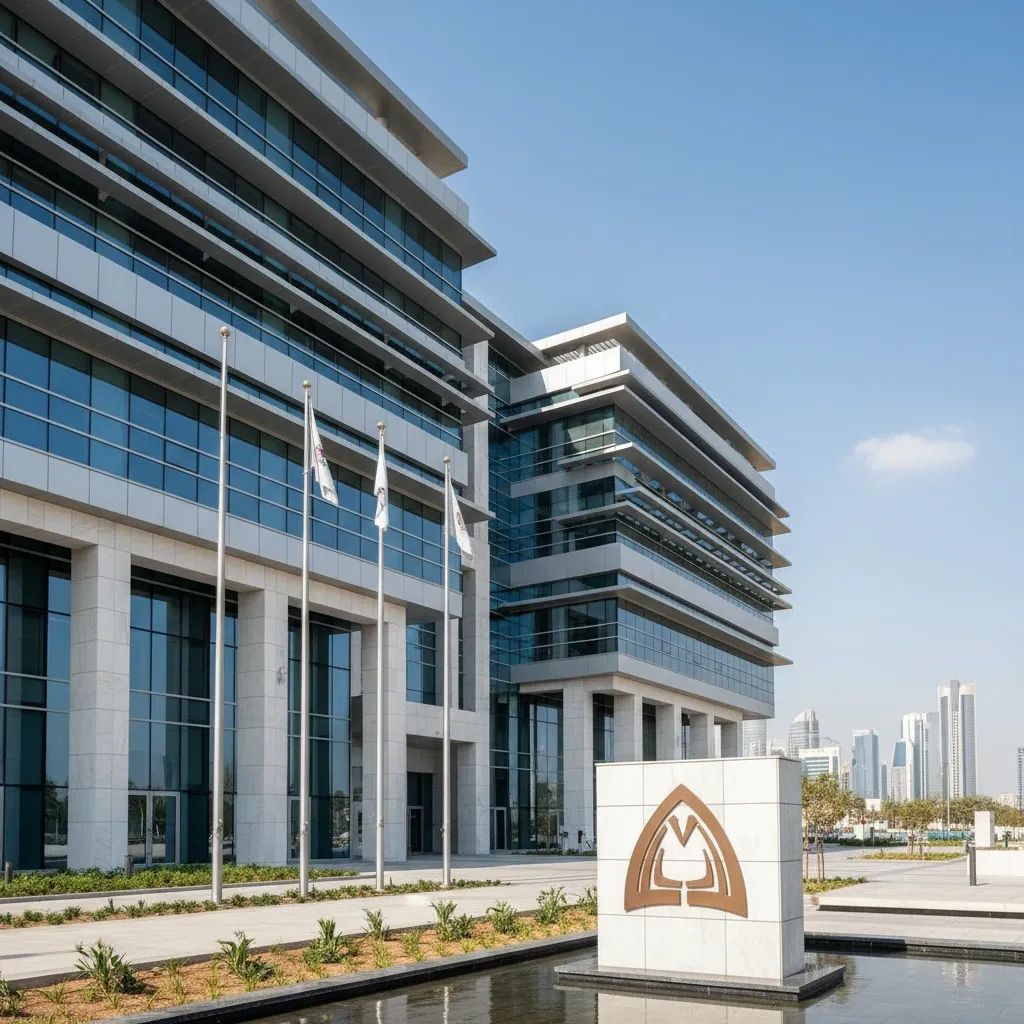
The United Arab Emirates Ministry of Foreign Affairs has severed diplomatic ties with Tehran, ordering the immediate closure of its embassy and the withdrawal of all diplomatic personnel from Iran. The decision follows a sustained barrage of Iranian missile and drone attacks that killed three foreign nationals on UAE soil and damaged civilian infrastructure across Dubai and Abu Dhabi.
Why This Matters
• Embassy closure: All UAE diplomatic staff have left Iran, reversing a fragile détente established in 2022.
• Casualties confirmed: Three dead (Pakistani, Nepalese, and Bangladeshi nationals) and 58 injured in the UAE alone.
• Economic disruption: Dubai and Abu Dhabi stock markets suspended trading for two days; airports and ports faced operational shutdowns.
• Regional pattern: Kuwait reported 1 death and 32 injuries; Qatar recorded 16 injured across similar attacks.
Iran's "Operation Truthful Promise IV" Strikes the Gulf
Tehran's retaliatory campaign—dubbed "Operation Truthful Promise IV"—targeted not only military installations but also economic hubs and residential zones across the Arabian Gulf. Between February 28 and March 2, Iranian forces launched ballistic missiles, cruise missiles, and swarms of drones at Kuwait, the UAE, and Qatar, citing the presence of US military assets as justification for striking "legitimate targets."
The UAE's air defense systems intercepted 165 ballistic missiles (152 destroyed, 13 fell into the sea), two cruise missiles, and 541 drones (506 shot down, 35 fell within UAE territory). Despite these interception rates, falling debris ignited fires at iconic landmarks including The Palm Jumeirah, Burj Al Arab, and Etihad Towers. Direct hits were recorded at Dubai International Airport, Abu Dhabi International Airport, and the Al Salam naval base, where two drones sparked fires but caused no casualties.
Kuwait's Ministry of Defense reported intercepting 97 ballistic missiles and 283 drones, while Qatar neutralized 65 ballistic missiles and 12 unmanned aerial vehicles. Iran's Revolutionary Guard claimed it fired 15 cruise missiles at Kuwait's Ali Al Salem air base, a facility hosting US Air Force units.
What This Means for Residents
Travel and logistics: Both Dubai and Abu Dhabi international airports experienced temporary flight suspensions and airspace closures, triggering the most severe business disruption in the Gulf region since the COVID-19 pandemic. International travelers faced delays and cancellations as the UAE diverted or grounded flights for safety assessments. Port operations in Dubai and Abu Dhabi were similarly halted, threatening critical nodes in global supply chains that funnel goods from Asia to Europe and Africa.
Financial markets: The UAE Central Bank ordered the suspension of trading on the Dubai Financial Market and Abu Dhabi Securities Exchange on March 2 and 3. Regional markets in Kuwait, Bahrain, and Saudi Arabia posted sharp declines as investors reacted to the security environment. Oil prices spiked, benefiting Gulf producers fiscally but signaling broader market instability.
Security protocols: Falling shrapnel from intercepted missiles caused collateral damage in multiple emirates. Residents in Abu Dhabi, Dubai, Sharjah, and Ajman reported hearing explosions and witnessing fireballs overhead. The UAE government has not issued specific shelter-in-place orders but urged the public to remain indoors during active air defense operations and to avoid posting real-time videos that could compromise military response efforts.
What Residents Should Do Now
Airport and travel updates: Check the status of your flights on the official Dubai International Airport (DXB) and Abu Dhabi International Airport (AUH) websites before heading to the airport. Both have implemented enhanced security protocols and may have updated schedules. For real-time flight information, use airline apps or contact your carrier directly.
Travel advisories and restrictions: Monitor announcements from the UAE Ministry of Foreign Affairs and your relevant embassy or consulate for any travel advisories. If you're planning to travel outside the UAE, check current restrictions and ensure your travel documents are up to date.
Emergency services and hotlines: Keep the following numbers readily available:
• UAE Emergency: 999 (Police, Fire, Ambulance)
• Dubai Police Non-Emergency: 04-609-6666
• Abu Dhabi Police Non-Emergency: 02-441-9999
• Sheikh Zayed Hospital (Abu Dhabi): 02-619-0000
• Rashid Hospital (Dubai): 04-308-5000
Government alerts: Residents are urged to subscribe to official UAE government notification systems to receive timely updates on security situations. Sign up through the UAE Ministry of Interior's emergency alert system or download the official "UAE Alerts" mobile app for real-time security notifications and advisories.
Official UAE government channels for updates:
• UAE Ministry of Foreign Affairs: www.mofaic.gov.ae
• Dubai Police Official Website: www.dubaipolice.gov.ae
• Abu Dhabi Police Official Website: www.adpolice.gov.ae
• Official UAE Government Portal: www.uae.gov.ae
• Follow official emirate social media channels (@DubaiPolice, @AdPoliceCrisis, etc.) for live updates
Diplomatic Fallout and Regional Solidarity
The UAE Ministry of Foreign Affairs summoned Iran's ambassador and delivered a formal protest note, warning of "serious repercussions on bilateral relations, with direct impact across political, economic, and commercial levels." The ministry categorically rejected Tehran's justifications, labeling the attacks a "flagrant violation of national sovereignty and a clear breach of international law and the UN Charter."
Anwar Gargash, diplomatic adviser to UAE President Sheikh Mohamed bin Zayed Al Nahyan, stated publicly that Iran's strategy has "deepened its isolation" and risked "long-term hostility with its neighbors." He urged Tehran to abandon what he termed an "irrational approach" and return to negotiation.
The embassy closure reverses a diplomatic thaw that began in 2022, when the UAE fully reopened its mission in Tehran and dispatched a new ambassador. That cautious rapprochement was part of a broader regional effort to de-escalate tensions, but Iran's strikes have shattered any remaining goodwill.
Other Gulf Cooperation Council (GCC) members issued parallel condemnations. Saudi Arabia's Crown Prince Mohammed bin Salman held a phone call with Sheikh Mohamed, expressing solidarity and calling for restraint. Bahrain, Qatar, and Kuwait echoed the UAE's stance, describing Iran's actions as "blatant aggression." The GCC is expected to convene an emergency session to coordinate a unified response.
The Wider Context: US-Israeli Strikes and Tehran's Retaliation
Iran framed its Gulf attacks as retaliation for pre-emptive US and Israeli strikes that reportedly killed Supreme Leader Ali Khamenei and other high-ranking officials. Tehran's ambassador to the United Nations justified the missile barrage by citing Article 51 of the UN Charter, asserting the right to self-defense and naming countries hosting American military facilities as legitimate targets.
However, the scope of Iran's retaliation extended far beyond military sites. Civilian ports, commercial airports, and service facilities bore the brunt of the assault, a fact that the UAE Ministry of Foreign Affairs highlighted in its condemnation. The ministry emphasized that these acts "endangered innocent civilians" and violated the principles of distinction and proportionality enshrined in international humanitarian law.
UN Secretary-General António Guterres convened an emergency session of the Security Council, condemning the military escalation by both Iran and the US-Israel coalition. He warned that the alternative to immediate de-escalation was "a potential wider conflict with grave consequences for civilians and regional stability." The UN High Commissioner for Human Rights echoed this call, urging all parties to uphold international humanitarian law.
The Economic Cost for the UAE
The UAE's economy, heavily reliant on trade, tourism, and logistics, faces immediate pressure. Dubai, positioned as a global aviation and commercial hub, saw its role as a connector between Asia, Europe, and Africa temporarily paralyzed. The trade and logistics sectors are particularly vulnerable, as elevated shipping risks and insurance premiums could divert cargo routes away from Gulf ports.
Tourism, a cornerstone of Dubai's non-oil revenue, may suffer if the security environment remains unstable. The fires at luxury landmarks like Burj Al Arab and The Palm Jumeirah, while largely symbolic, sent images of vulnerability around the world—images that conflict with Dubai's carefully cultivated brand as a safe, predictable destination.
Kuwait suspended stock market trading entirely, and Qatar's exchange posted losses. The prolonged airspace closures in multiple Gulf states disrupted the flow of imported goods to South Asia, East Africa, and Central Asia, where Gulf ports serve as critical transshipment points.
Next Steps and Uncertain Horizons
The UAE has asserted its "full and legitimate right to respond" to the Iranian attacks, though it has not specified what form that response will take. Historically, the UAE has preferred to work within multilateral frameworks, particularly the GCC and the Arab League, rather than act unilaterally. However, the severity of the attacks and the closure of its embassy in Tehran signal that traditional diplomatic restraint may be reaching its limits.
Gulf states previously communicated to Washington that they would not permit their territories or airspace to be used for offensive operations against Iran. That position is now under strain. Anwar Gargash and other Gulf officials have indicated that Iran's conduct has made further American military action "unavoidable," a notable shift in rhetoric that suggests a harder line may be emerging.
For now, the UAE is focused on damage assessment, restoring normal operations at its airports and ports, and coordinating a regional response through the GCC. The diplomatic rupture with Iran, once a cautious partner in talks over regional security and trade, appears set to deepen, with no clear pathway back to dialogue in the immediate term.


