
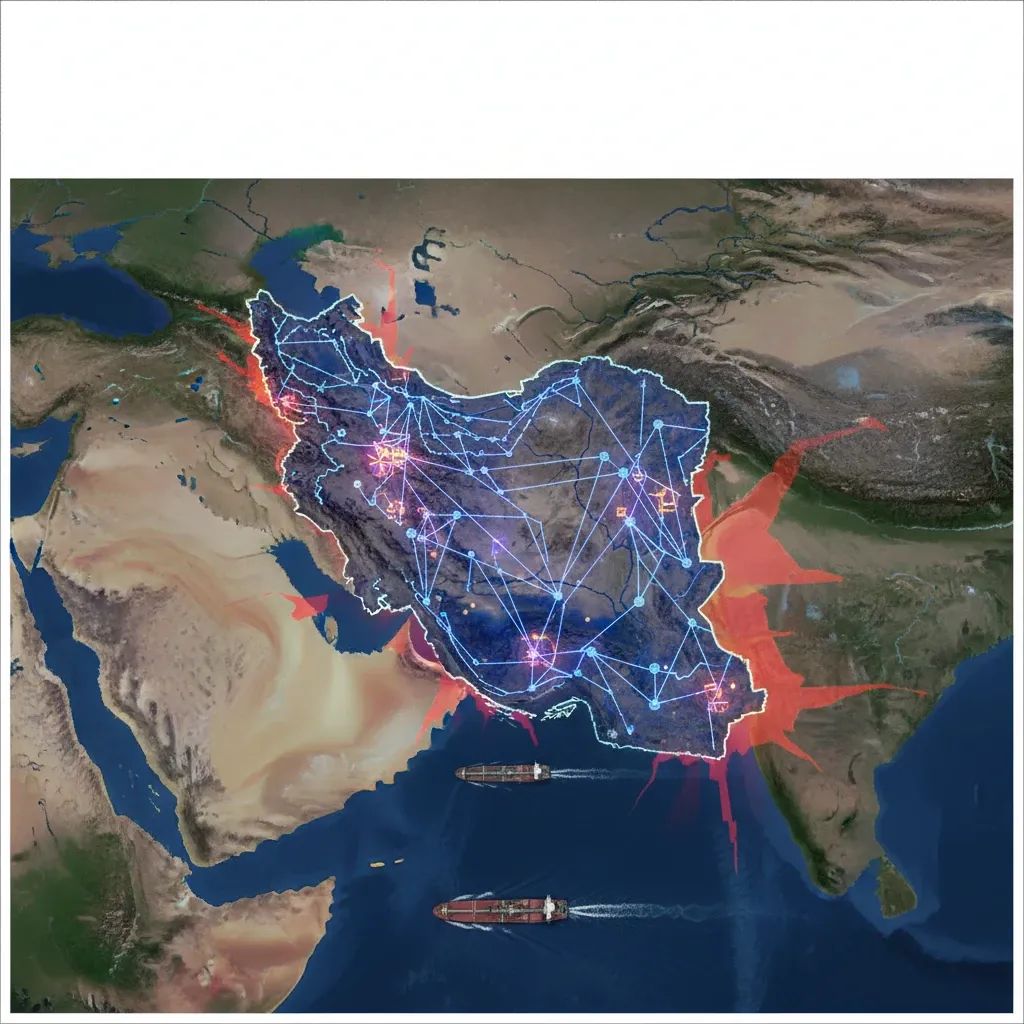
Oil futures markets eased significantly as diplomatic progress between Washington and Tehran effectively erased the "war premium" that had inflated crude prices during four months of Middle East conflict, offering relief to consumers and industries across the United Arab Emirates and the broader Gulf region who have endured elevated fuel costs since late February.
Why This Matters:
• Fuel cost relief ahead: With Brent crude falling to $78.66/barrel and WTI to $75.81/barrel on June 18, residents and businesses in the Emirates can expect downward pressure on petrol prices and aviation fuel costs in coming weeks.
• Strait of Hormuz reopening: The interim agreement between the US and Iran includes immediate resumption of shipping through the critical waterway, which handles a fifth of global oil and liquefied natural gas supplies.
• Price forecasts stabilizing: Major investment banks now project WTI around $70-$80/barrel for Q4 2026, down sharply from April's peak above $119.
• Supply surge coming: Analysts anticipate millions of barrels of previously stranded crude entering markets once vessel backlogs clear and mine-clearance operations conclude.
Diplomatic Breakthrough Triggers Market Repricing
The International Energy Agency and major trading desks have recalibrated their price outlooks following the Islamabad Declaration, a framework agreement mediated by Pakistani Prime Minister Shehbaz Sharif that was signed on June 14, 2026, with formal implementation expected in the coming days. Brent crude futures dropped 89 cents (1.12%) while US West Texas Intermediate declined 98 cents (1.28%) as traders factored in the diminished risk of prolonged supply disruptions.
This marks a dramatic reversal from early June, when WTI was trading near $90-$91/barrel and Brent just above $93/barrel. The OPEC Reference Basket price fell to $84.43 on June 16—its lowest level in six weeks and a 31% decline from the May 1 peak—underscoring how quickly geopolitical risk premiums can evaporate when diplomacy succeeds.
What Lower Oil Means for Your Wallet in the UAE
For UAE residents, the practical benefits are straightforward. Petrol station prices in Dubai and Abu Dhabi—which climbed steadily through March and April—should begin dropping in July and August as the agreement takes full effect. Commuters who absorbed higher fuel costs equivalent to an additional monthly expense during the crisis can expect gradual relief at the pump.
Aviation fuel costs are also set to moderate. Cheaper jet fuel should lower operating expenses for Emirates and Etihad, potentially translating to more competitive airfares for your summer travel plans. Delivery and logistics costs—which have been passed to consumers through higher prices on goods—should ease as truck and shipping companies reduce expenses.
When to expect changes: The UAE fuel pricing committee typically adjusts petrol and diesel prices on the first day of each month. As crude oil prices continue declining through July, residents should see notable relief by August. You can track international oil prices through the UAE's official fuel pricing announcements or financial news websites that monitor Brent crude daily.
How the Strait Reopening Affects Supply
Approximately 500 commercial vessels are currently waiting in Gulf waters to transit the Strait of Hormuz, where navigation had been severely restricted during the conflict. The Joint Maritime Information Centre has downgraded the threat level from "Critical" to "Substantial," allowing shipping to resume more safely.
Sea mine clearance represents the immediate technical challenge. Operations could take 30 to 60 days to render shipping fully safe, with three unexplained explosions reported between June 15-16 still under investigation. LNG carriers—critical for Qatar's exports and the Emirates' own re-export trade through Fujairah—are expected to resume transit more cautiously than oil tankers given their high asset values.
Disputes over potential Iranian transit fees add uncertainty. While the memorandum of understanding calls for "toll-free" passage, Tehran has signaled intentions to impose charges, creating potential friction. Practical logistics—provisioning idle vessels, repairing ships damaged during the blockade, and restoring port infrastructure—mean traffic may reach only 50% of pre-conflict levels within the first month.
The Global Picture: Supply Surplus Coming
Before the conflict erupted February 28, global oil supply had been reduced by an estimated 14 million barrels daily, with Middle East producers cutting crude output by more than 11 million barrels per day. The International Energy Agency now forecasts a potential supply surplus of 8 million barrels daily in 2027 if Strait shipping normalizes fully.
Fitch Ratings expects the oil market to return to oversupply within approximately one month of the Strait becoming fully operational, projecting average prices around $87/barrel for 2026 overall and $70 for the final quarter. This aligns with projections from Citi, while Morgan Stanley and Goldman Sachs anticipate Q4 prices near $80.
However, inventory constraints provide some price support. US crude oil inventories fell for the tenth consecutive week by June 12, reaching their lowest level since 1985. Governments and commercial buyers will prioritize restocking strategic reserves, sustaining demand and potentially keeping WTI in the $80-$90 range longer than current market expectations.
Economic Headwinds to Watch
Beyond immediate supply dynamics, global demand is facing pressure. The US Energy Information Administration projects a 1.1 million barrel per day decline in global oil demand for 2026, citing elevated fuel prices and governmental consumption-reduction initiatives across Asia. For non-specialist readers, this simply means: worldwide oil consumption is expected to drop, which adds downward pressure on prices.
Higher interest rates also matter. The US Federal Reserve has signaled potential rate hikes later in 2026, a move that strengthens the US dollar and makes oil more expensive for international buyers—in turn dampening global demand further.
What this means for UAE businesses: While lower crude prices reduce input costs, weakening global demand could compress profit margins in export-oriented sectors. Companies in logistics, aviation, and hospitality should prepare for potentially subdued international travel and trade volumes in the coming months.
Practical Reality Check
Despite the diplomatic breakthrough, full supply recovery will take time. Damaged oil infrastructure in the Gulf requires repair, halted production must restart, and vessel backlogs need clearing before pre-conflict traffic volumes resume. Analysts caution that 2027 may be a more realistic timeline for complete normalization.
The Joint Maritime Information Centre continues to warn of potential security incidents, and navigation interference by Iranian forces could persist even under the current agreement. Shipowners operating in Gulf waters face elevated insurance premiums that will sustain higher shipping costs for months.
For residents of the United Arab Emirates, the message is measured optimism: fuel costs will likely decline from crisis peaks, but energy prices lower than those seen in early 2026 may not return immediately. The diplomatic progress represents a genuine positive development, averting what could have been a far more severe supply disruption. Yet the global energy market faces a transition period marked by inventory rebuilding, infrastructure repairs, and persistent uncertainty—a reality that will shape household budgets and business planning well into 2027.


