
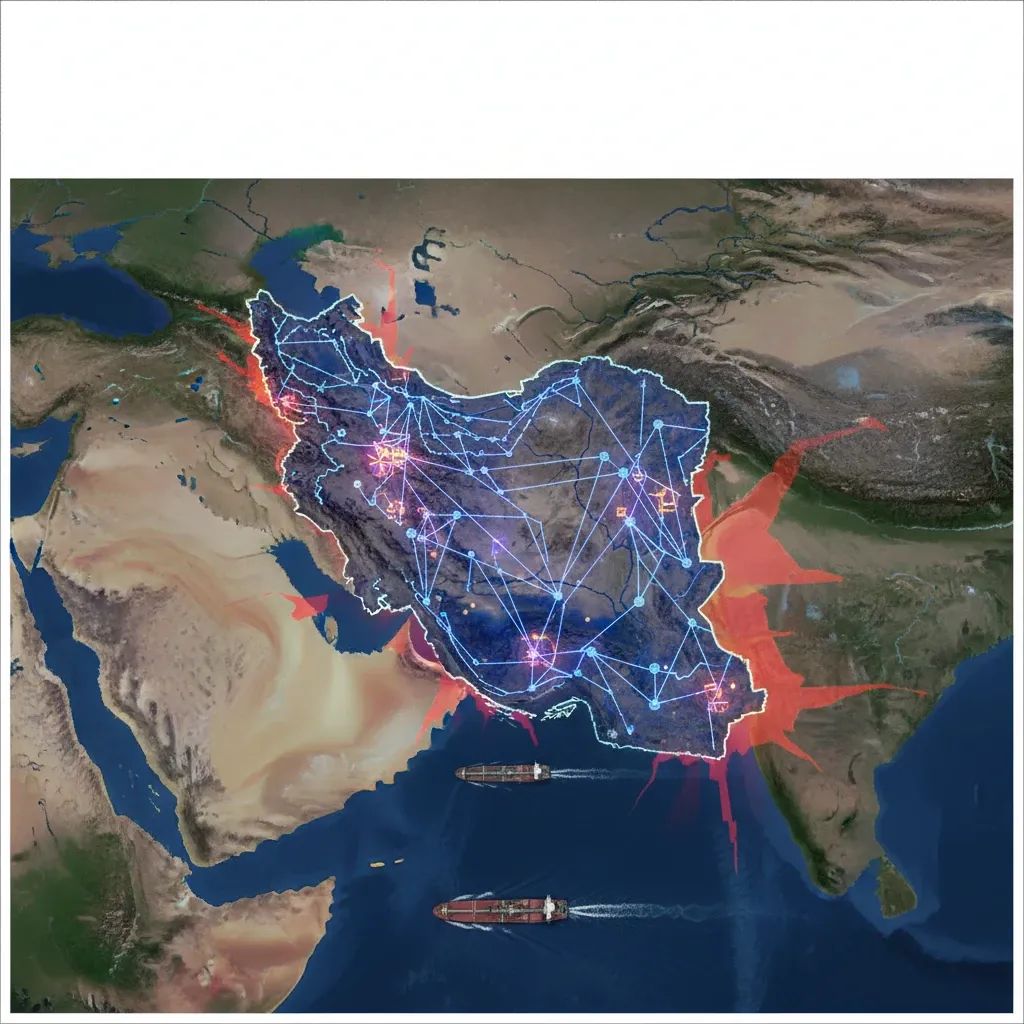
United Arab Emirates oil markets have responded sharply to diplomatic progress between Washington and Tehran, with crude benchmarks sliding to four-month lows as investors reduce their geopolitical risk premium tied to the Strait of Hormuz. The decline marks a pivotal shift for energy-dependent Gulf economies and consumers who watched prices spike above $120 per barrel earlier this year.
Why This Matters:
• Fuel costs could ease: Brent crude settled at $71.57/barrel on July 2, down nearly 40% from 2026 highs, potentially lowering pump prices and logistics expenses across the Emirates if retail price adjustments follow.
• Regional stability premium diminishes: Ongoing negotiations over the Strait of Hormuz and the resumption of normal shipping lanes could help normalize tanker traffic, potentially removing the war premium that had inflated regional hedging costs.
• OPEC+ supply increases planned: The cartel has signaled plans to adjust output levels in coming months, which could place additional downward pressure on prices.
Diplomatic Progress Reshapes Energy Calculus
Indirect negotiations held in Doha between United States and Iranian delegators have produced what Qatari mediators describe as "positive progress," potentially altering the supply outlook that has kept energy markets on edge for months. The talks center on normalizing relations and addressing maritime concerns including the Strait of Hormuz—the maritime chokepoint responsible for roughly one-fifth of global crude transit—and unfreezing billions in Iranian financial assets.
For United Arab Emirates residents and businesses, the implications extend beyond abstract market movements. The nation's economy remains deeply intertwined with oil revenue, trade logistics, and regional stability. When Brent futures dropped 1.89% to settle at $71.57 per barrel, and West Texas Intermediate fell 1.32% to $68.58, it signaled more than trader sentiment—it reflected a recalibration of risk across Gulf commerce.
The U.S. West Texas Intermediate benchmark's decline of 92 cents on July 2 follows a broader pattern of lower prices as diplomatic optimism has grown. With ongoing negotiations, shipping lanes through the Strait of Hormuz remain under observation, and market participants are gradually reducing the insurance premiums and rerouting costs that had increased fuel expenses for vessels calling at UAE ports. However, these improvements remain contingent on continued diplomatic progress.
What This Means for Residents and Businesses
For expatriates, investors, and entrepreneurs operating in the Emirates, these crude price movements could translate into tangible economic shifts. Lower crude prices may eventually ease inflationary pressure on consumer goods, transportation, and manufacturing inputs. The UAE Ministry of Energy and Infrastructure has not yet announced retail fuel price adjustments for August, and timing for any consumer-level relief remains uncertain pending official policy decisions.
Commercial operators face a more nuanced picture. While potential reductions in crude costs could lower operating expenses for logistics firms, freight forwarders, and airlines based in Dubai and Abu Dhabi, the broader market decline also reflects softer global demand—particularly from China, the world's largest oil importer. Slowing consumption in major economies could dampen trade volumes flowing through UAE free zones and ports, offsetting gains from cheaper energy.
The financial sector is recalibrating risk models. Dubai-based energy traders and commodity desks have spent months hedging against Strait closure scenarios. With geopolitical risk premiums now diminishing, portfolio strategies are shifting toward fundamentals: inventory levels, OPEC+ discipline, and structural demand headwinds such as electric vehicle adoption and energy efficiency improvements.
Supply and Demand Pressures Continue
The Organization of the Petroleum Exporting Countries and its allies are evaluating output strategies in response to evolving market conditions. Market observers note that ongoing negotiations over the Strait of Hormuz normalization have boosted confidence in stable shipping lanes, potentially supporting decisions to adjust supply in coming months.
United States crude production remains at elevated levels, adding to global supply availability. Non-OPEC producers including Brazil, Guyana, and Argentina continue ramping up output. Analysts are monitoring whether Iranian oil could eventually return to markets—estimates suggest Tehran could add significant volumes within 12 to 18 months if comprehensive diplomatic progress leads to sanctions changes—which could shift the global supply-demand balance.
The U.S. Energy Information Administration and other forecasters are assessing how ongoing developments may influence price trends through the rest of 2026. Current market positioning reflects expectations that if diplomatic progress continues, additional supply normalization could become possible, though timelines and outcomes remain uncertain.
Downside Risks and Market Targets
Market technicians are monitoring price support levels and potential further declines. Various analysts have identified technical targets at lower price points should current momentum continue, though outcomes depend heavily on the trajectory of diplomatic negotiations and global demand conditions.
Industry observers note that supply normalization scenarios could place downward pressure on prices, though the pace and extent of any changes would depend on the progress and ultimate outcome of U.S.-Iran talks. Such developments could present fiscal planning challenges for Gulf hydrocarbon exporters, including the Emirates, which rely on oil revenue to fund infrastructure projects and sovereign wealth investments.
However, several factors could support prices at current or moderately lower levels. Global inventory levels remain relatively tight following months of supply concerns. Market analysts also note that potential resolution of regional tensions could be gradual rather than immediate, sustaining some elevated risk premium in near-term pricing.
Broader Energy Transition Context
The volatility underscores how geopolitical developments intersect with longer-term structural shifts in energy markets. The Emirates has positioned itself as a hub for both traditional hydrocarbons and renewable energy investment, hedging against the global transition away from fossil fuels. Slower oil demand growth—forecasters predict modest increases in global consumption—reflects accelerating electric vehicle adoption and efficiency gains that will reshape the Gulf's economic model over the coming decade.
For now, the immediate focus remains on developments in U.S.-Iran diplomacy. United Arab Emirates officials have welcomed the de-escalation efforts between Washington and Tehran, recognizing that regional stability is essential for trade, tourism, and foreign investment. Progress in normalizing relations could gradually remove critical uncertainties that have hung over Gulf markets, allowing businesses to plan with greater confidence.
However, the diplomatic process remains ongoing. Any reversal in negotiations or resurgence of tensions could reignite supply concerns and drive prices higher. Energy analysts caution that while immediate geopolitical risk premiums have diminished, uncertainties persist. UAE-based investors and businesses should monitor U.S.-Iran negotiations closely, as the outcome will continue to shape energy costs, inflation trends, and broader economic conditions across the region for months to come.


