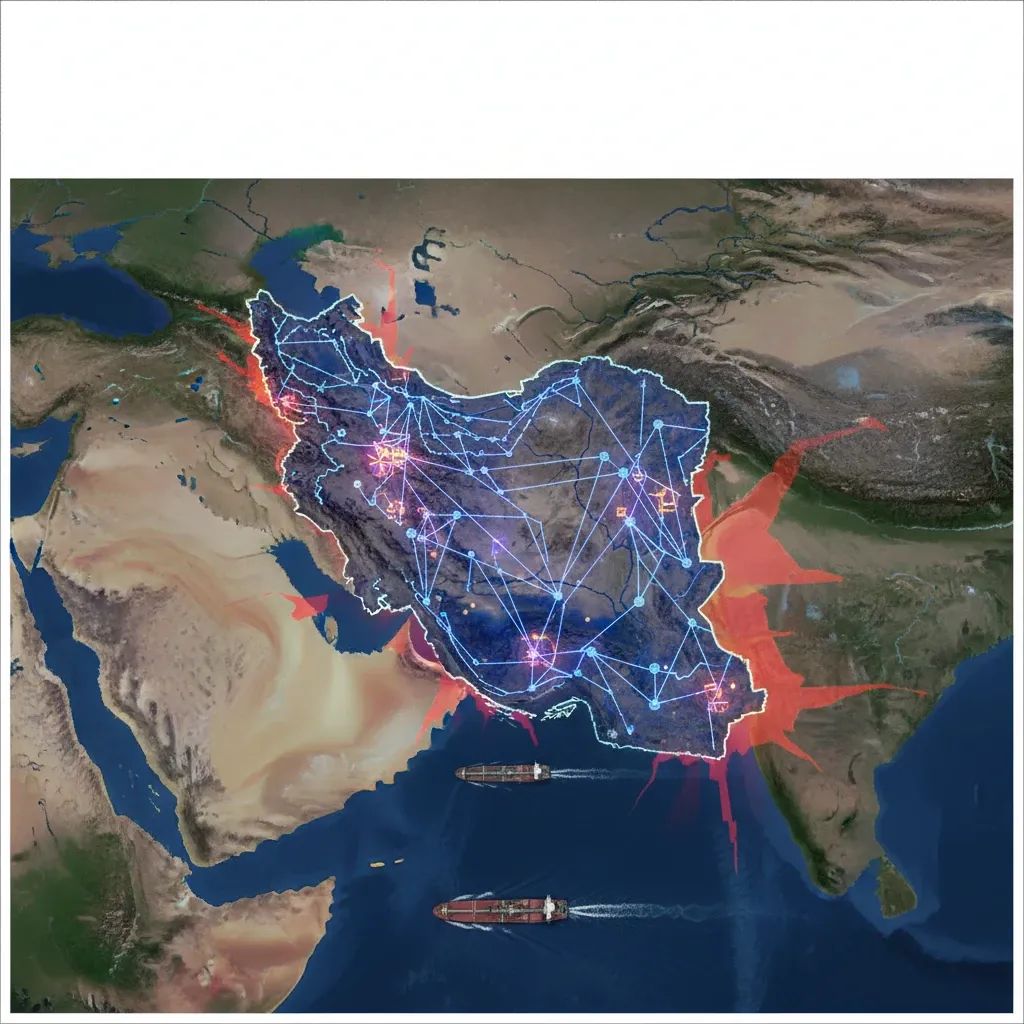
Oil prices surged more than 3% on Monday, with Brent crude jumping above $96 per barrel amid ongoing Middle East regional tensions. The sharp movement in global energy markets is expected to have direct implications for fuel costs and inflation across the United Arab Emirates.
Why This Matters
• Fuel bills are climbing: Brent crude jumped $3.20 to $96.24 per barrel, while US crude rose $2.87 to $93.41, marking a significant reversal from recent trading patterns.
• Regional geopolitical concerns persist: Ongoing tensions in the Middle East continue to weigh on investor sentiment and energy market dynamics, with analysts citing military and diplomatic uncertainties as key price drivers.
• Global energy markets remain sensitive: The oil market is responding sharply to any developments that could affect supply and trade routes in the region, underscoring the interconnection between geopolitical risk and crude prices.
The price surge marks a shift in market sentiment, as earlier cautious optimism about stable energy supplies gave way to heightened concerns about regional stability.
Breakdown of the Price Jump
As of 03:33 GMT on June 8, Brent crude futures climbed 3.39% to $96.24 per barrel, while West Texas Intermediate (WTI) futures advanced 3.17% to $93.41. Some trading desks reported steeper gains later in the session, with WTI reaching $93.87 and Brent touching $96.36.
The price movement reflects broader market concerns about potential disruptions to energy supply and trade corridors in the Middle East. Analysts point to ongoing regional tensions as the primary driver of upward pressure on crude prices, though specific supply disruptions have not yet materialized at scale.
What This Means for United Arab Emirates Residents
The price spike translates directly into higher costs at the pump and increased inflation pressure across the United Arab Emirates. For households and businesses reliant on fuel and imported goods, the rise in crude prices will feed into transportation and logistics expenses, potentially raising the cost of everything from groceries to construction materials.
The United Arab Emirates, as a major oil exporter, benefits from higher crude prices in terms of government revenue. However, volatility and uncertainty in global energy markets also pose risks to the stability of regional trade and investment sentiment. Companies operating in sectors such as aviation, shipping, and manufacturing will need to monitor energy costs closely as budget planning continues.
Central banks across the Gulf, including the Central Bank of the United Arab Emirates, are closely monitoring inflation expectations. Elevated oil prices can drive up costs across the economy, potentially affecting purchasing power and consumption patterns. Market analysts are tracking how persistent price levels might influence broader economic conditions in the region.
Market Outlook: Volatility Ahead
Forecasts for oil prices in the coming months remain uncertain. Energy analysts point to the sensitivity of crude markets to geopolitical developments and the potential for continued volatility as regional tensions persist.
Goldman Sachs and other major financial institutions have identified upside risks to oil prices if regional tensions escalate further or if supply route concerns intensify. The consensus among analysts suggests that crude prices are likely to remain elevated in the near term, though the exact trajectory will depend heavily on developments in Middle East geopolitics and energy security.
For residents and businesses in the United Arab Emirates, the message is clear: prepare for continued volatility. Fuel costs and broader inflation pressures are likely to remain elevated as long as regional uncertainties persist. The coming weeks will test the resilience of both household budgets and business planning across the emirate, as energy markets remain sensitive to any shifts in the geopolitical landscape.