Jakarta Airport Closures Disrupt UAE Travelers — Here’s What You Need to Do
The temporary shutdown of Soekarno-Hatta International Airport — and seven other Indonesian air hubs — due to volcanic ash from Anak Krakatau has severed critical air links for over 170,000 passengers, including hundreds of UAE residents traveling between the Gulf and Southeast Asia. While operations resumed at 6:00 PM on Monday, 7 September 2026, the ongoing volatility of the eruption means travelers should treat any Jakarta-connected itinerary as high-risk until further notice.
Why This Matters
• Flight stability is fragile: Soekarno-Hatta reopened at 6:00 PM on 7 September, but all eight affected airports remain under watch with potential for sudden re-closures due to shifting wind patterns.
• UAE airlines are directly exposed: Emirates, Etihad, and flydubai all route flights to Australia, New Zealand, and India through Jakarta — meaning delays could cascade into multi-day disruptions on long-haul routes.
• Your mask won’t save you: Ordinary surgical masks offer no protection against 5–10 micron volcanic glass particles — only N95 or P2 masks are effective.
How UAE Residents Are Being Hit
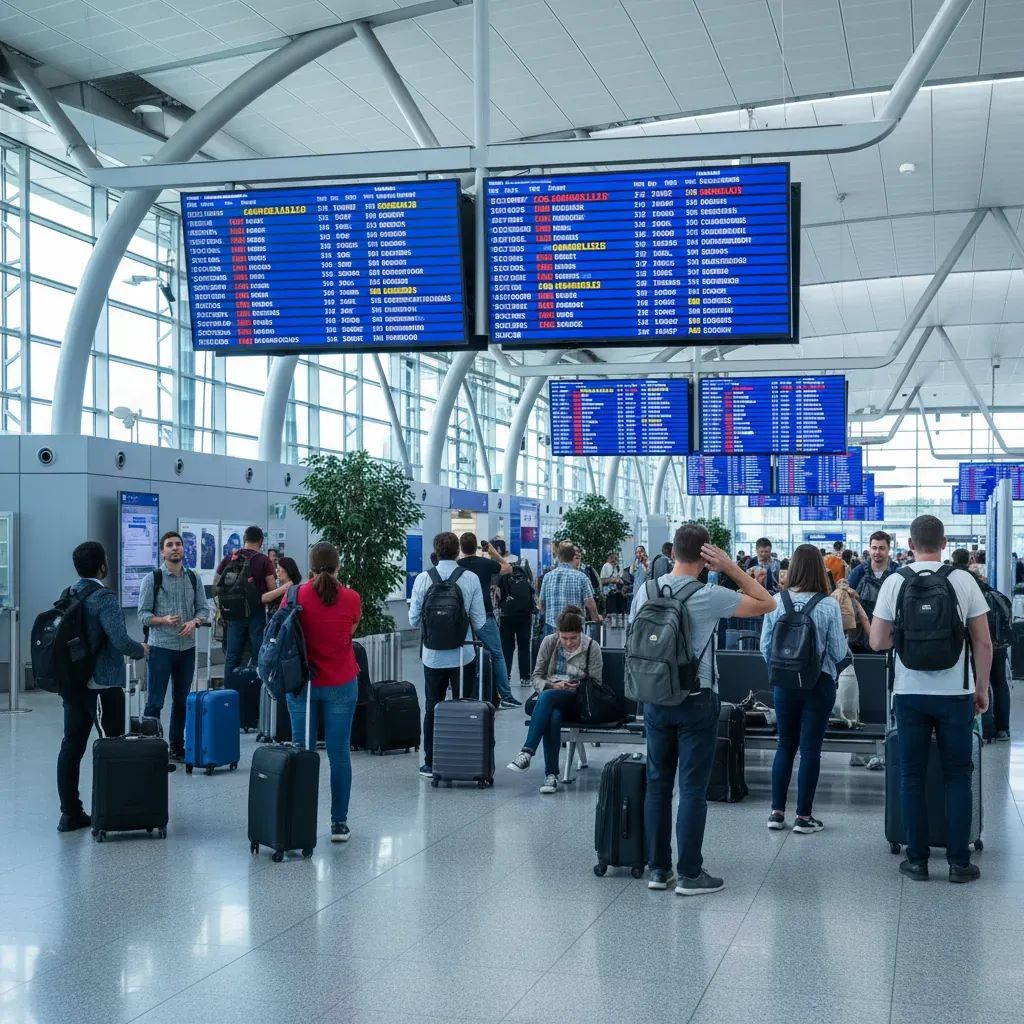
Most UAE travelers don’t consider Jakarta a destination, but for those connecting to Bali, Singapore, or Perth, it’s a logistical chokepoint. Over 900 of the 1,558 canceled flights were linked to Soekarno-Hatta alone, leaving many passengers stranded overnight. Emirates and Etihad rerouted dozens of flights through Kuala Lumpur and Doha, adding up to 12 hours to journeys — and costing travelers more in hotel rebookings and meal vouchers.
One expat from Dubai reported her elderly mother, visiting family in Bandung, spent three nights without a confirmed return flight after her booking vanished from the system. Another resident from Sharjah lost a critical business meeting in Singapore when his connecting flight was canceled with under two hours’ notice.
For the UAE economy, this isn’t just about tourism. With 30% of Emirates’ Australia-bound flights transiting Jakarta, this event revealed a hidden vulnerability in the region’s aviation architecture. Every delay creates a domino effect — missed cargo deadlines, disrupted supply chains for regional logistics firms, and stranded expat workers whose visas tie them to specific return dates.
What This Means for Residents
If you’re flying to, from, or through Indonesia, here’s how to protect yourself:
• Check flight status via your airline’s app, not airport websites. Most carriers update rebooking priority based on loyalty tier, not queue order. Economy passengers often get pushed to the back.
• Carry at least two N95 masks per person. Airports in Jakarta, Lampung, and Banten still have airborne ash. Even after landing, you may be exposed during ground transit.
• Verify your travel insurance covers volcanic disruptions. Most UAE policies exclude natural events unless explicitly added — confirm this NOW, before booking.
• Avoid travel to Banten, Lampung, and South Sumatra until 14 September — hospitals are overwhelmed with respiratory cases, and roads are slick with wet ash.
The UAE Ministry of Foreign Affairs has not issued a travel ban, but its ‘Travel Smart’ portal now classifies Jakarta as ‘High Disruption Risk’ — the same level assigned to Istanbul after earthquakes and Dubai after sandstorms. This isn’t panic; it’s preparedness.
Beyond the Airport: The Real Cost of Living on the Ring of Fire
Anak Krakatau’s 2018 collapse killed 430 people — its current eruption hasn’t triggered a tsunami, but it has exposed how fragile infrastructure is when nature acts unpredictably. The Indonesian government deployed rain-enhancement aircraft to clear ash from Jakarta’s skies, and health centers in affected provinces are now open 24/7.
Yet the human toll lingers. Schools in Jakarta shifted to remote learning. Fishermen in Lampung have been ordered to stay ashore. Farmers report crops coated in abrasive ash, jeopardizing harvests. The economic damage is already estimated at over $120 million — and that’s just the first 72 hours.
For the UAE, this is a warning: even the world’s most connected airports are not immune to tectonic events. No matter how advanced our systems, they’re built on a planet whose geology operates on its own timeline.
The skies above Jakarta are clear today. But the next eruption doesn’t need a warning — it just needs time.
Residents with frequent trips should now consider indirect routes through Doha, Mumbai, or Kuala Lumpur — even if they cost more. Because sometimes, the price of convenience is a night in a terminal, breathing air thick with glass dust.