
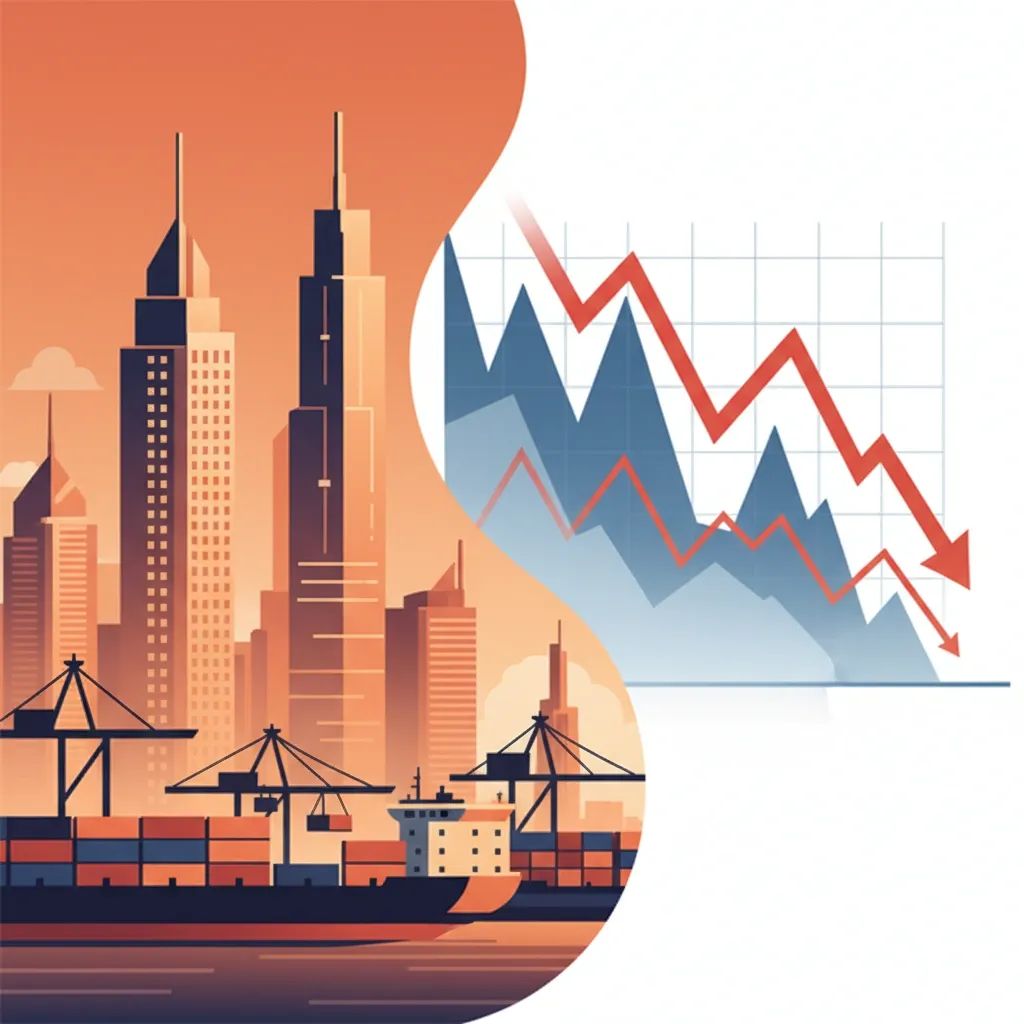
UAE residents are facing significant price increases on imported goods as the military conflict with Iran has effectively shut down shipping through the Strait of Hormuz. The United States and Israeli military launched Operation Epic Fury on February 28, targeting Iranian military infrastructure. By mid-March, the conflict had escalated into a multi-front campaign with limited but sustained casualties on the American side, a leadership transition in Tehran that remains unclear, and a global energy crisis that is already working its way into UAE consumer prices and business supply chains.
Why This Matters
• Energy bottleneck driving inflation: The Strait of Hormuz—through which roughly 1 in 3 barrels of seaborne oil normally flows—is effectively closed. Supply has plummeted 8 million barrels daily, prompting the International Energy Agency to release 400 million barrels from global strategic reserves, the largest drawdown in history.
• Shipping costs surging across all imports: Freight rates into UAE ports have risen 40–60% as insurance premiums climb and operators reroute vessels. Imported goods—from electronics to food—will cost more within weeks, even with government subsidies cushioning fuel prices.
• Regime transition amid ongoing warfare: Iran's new leadership has not appeared publicly since its March 8 appointment, leaving a transitional government managing day-to-day warfare while the international community struggles to identify clear negotiating partners.
The American Campaign Continues with Sustained Operational Strain
Fifteen thousand targets struck. Ballistic missile production "functionally destroyed," according to the United States Secretary of War Pete Hegseth. Naval capacity crippled. When officials in Washington briefed G7 leaders by secure video on Wednesday, March 12, the tone was one of escalating momentum—yet operational losses reveal mounting friction beneath public statements.
A U.S. Air Force KC-135 Stratotanker crashed in western Iraq on March 12, killing six crew members. The U.S. Central Command stated the incident was not due to hostile fire, but the loss marks the first KC-135 loss in 13 years and among the deadliest Air Force incidents in recent years. Two other tankers from the same mission sustained damage; one landed safely in Tel Aviv with a portion of its tail severed. These operational losses reflect the relentless pace of round-the-clock sorties required to sustain bombardment across Iranian territory.
At least ten MQ-9 Reaper drones have been destroyed by Iranian air defenses or mechanical failure. Additional aircraft losses include three F-15E fighter jets accidentally shot down by Kuwaiti forces on March 1 in a friendly-fire incident, though all six pilots ejected safely. These cumulative losses represent significant operational strain, fatigue among flight crews, and erosion of aircraft inventory. Congress is beginning to ask uncomfortable questions about whether current munitions stockpiles can truly sustain operations at this intensity for the projected duration.
A Government in Transition While War Continues
The death of Supreme Leader Ali Khamenei on February 28 disrupted Iran's political system at a critical moment. The Assembly of Experts quickly named Mojtaba Khamenei—the former supreme leader's son—as his successor on March 8. However, succession has not yet translated into clear public authority. The new supreme leader has made no public appearance, with his sole statement read by a news anchor on Iranian state television—a choice that signaled instability rather than orderly transition.
Control has defaulted to a fractious arrangement. President Masoud Pezeshkian is managing day-to-day governance and wartime decisions while political power structures remain in flux. The Islamic Revolutionary Guard Corps remains operationally intact, but the uncertainty of Iran's current leadership creates structural challenges for international negotiations. With no clear public-facing supreme leader, Iran presents negotiators with ambiguity about who holds authority to negotiate an end to hostilities. Meanwhile, Iranian-backed militias and cyber operations continue, suggesting that command structures, despite American bombardment, retain some coordination capacity.
Oil Markets in Crisis, Supply Chains Under Severe Strain
The practical consequence for anyone living in the UAE is immediate: the global economy is experiencing its worst energy supply shock in modern history. The Strait of Hormuz is no longer a routine shipping lane; it is a contested military zone. Daily oil supplies have dropped 8 million barrels—the largest disruption on record. The International Energy Agency has authorized an extraordinary release of 400 million barrels from strategic reserves worldwide, described as temporary stabilization rather than a permanent solution.
For the UAE, the impact is contradictory. As a major oil exporter, higher crude prices boost national revenues. But the closure of Hormuz has snarled shipping schedules and pushed insurance premiums for vessels operating in Gulf waters to historically elevated levels. Businesses reliant on imports face a double squeeze: higher shipping costs and longer transit times. A container that would normally arrive within 7–10 days now faces unpredictable delays or rerouting around the Arabian Peninsula—adding time and cost to every shipment.
Freight charges for goods entering UAE ports have jumped 40–60% in a matter of days. These are not nominal increases; they are operational crises for import-dependent retailers and manufacturers. Electronics, machinery, foodstuffs, and raw materials all move by container ship. When freight rates double, business margins compress, and eventually prices rise on shelves.
The government subsidy on fuel in most UAE emirates means petrol pump prices may remain artificially stable. But diesel and aviation kerosene are climbing, and those costs flow directly into logistics operations, air cargo, and everything transported by truck or aircraft. A shipment of frozen fish from India now costs significantly more to move. A shipment of machinery parts faces longer delays and higher insurance. These accumulated costs work their way into retail prices over weeks.
Regional Security Considerations for UAE Residents
UAE proximity to conflict zones and hosting of U.S. military assets at Al Dhafra Air Base—a critical strategic installation for regional operations—creates potential vulnerability to Iranian retaliation, cyber operations, or miscalculation. The government has advised citizens and businesses to review contingency strategies, though UAE officials have emphasized that existing air defense systems and international support provide robust protection. Financial institutions have already advised corporate clients to strengthen operational resilience. Insurance premiums for regional shipping continue climbing. These escalating security and logistics costs eventually reach household budgets and retail prices.
Practical Steps for UAE Residents
Budget for import price increases: Expect gradual price increases on imported electronics, appliances, food products, and consumer goods over the next 4–8 weeks. Review household budgets and purchasing plans accordingly. Non-essential purchases may benefit from delay if prices stabilize.
Monitor category-specific impacts: Food imports, automotive parts, pharmaceuticals, and consumer electronics will likely see price increases first due to high freight dependence. Medical and essential supplies should be reviewed for stock levels, but avoid panic purchasing that could worsen supply chain strain.
Evaluate business contingencies: If you operate a business dependent on imports or exports, review alternate logistics routes, supplier diversification, and contract terms with customers. Some contracts may allow for freight surcharge pass-through; others may need renegotiation.
Stay informed on government measures: Authorities may announce price stabilization measures, subsidy adjustments, or supply-chain coordination initiatives. Monitor official UAE government communications and business advisory services for policy updates that could affect household costs or employment.
G7 Coordination and Timeline Uncertainty
When Trump addressed G7 leaders by video conference on Wednesday, he presented an optimistic timeline: the war could end in four to five weeks on Washington's terms. Some G7 officials interpreted this as indicating conflict resolution, while others viewed the timeline as vague and potentially disconnected from operational realities. The difference mattered because it reflected genuine disagreement over how long disruptions would last.
What unified G7 nations was anxiety over economic fallout. G7 energy ministers have held repeated emergency consultations. Coordinated drawdowns of strategic reserves—the 400 million barrel release—represent the largest mobilization since the 2022 Ukraine crisis. However, officials acknowledged this is a temporary cushion. Several G7 nations have discussed naval escort operations to protect commercial tankers transiting Hormuz, a security arrangement not implemented on this scale since the Cold War.
The consensus message from G7 discussions was clear: the longer this disruption persists, the greater the risk of cascading global stagflation and regional economic instability.
What Comes Next for UAE and the Region
For people living in the UAE, the immediate practical reality is this: expect gradual price increases on imported goods over the coming weeks and months. Budget allocations should account for rising freight costs on logistics bills. The variable that matters most is duration. If the conflict resolves within weeks, the disruption will be painful but bounded—perhaps a 1–2% inflation spike absorbed over the next quarter. If the conflict stretches into summer or beyond, the accumulated damage transforms into deeper supply chain fragmentation, potential regional escalation, and significant impacts on household budgets and business operations across the entire Gulf.
For now, UAE sits in an uncomfortable equilibrium: oil prices high enough to boost export revenues but supply chains chaotic enough to threaten import availability and cost. The longer this equilibrium persists, the more it corrodes economic stability and household budgets alike. Residents should prepare for higher prices while remaining attentive to official guidance on supply chain measures and potential government relief initiatives.


