
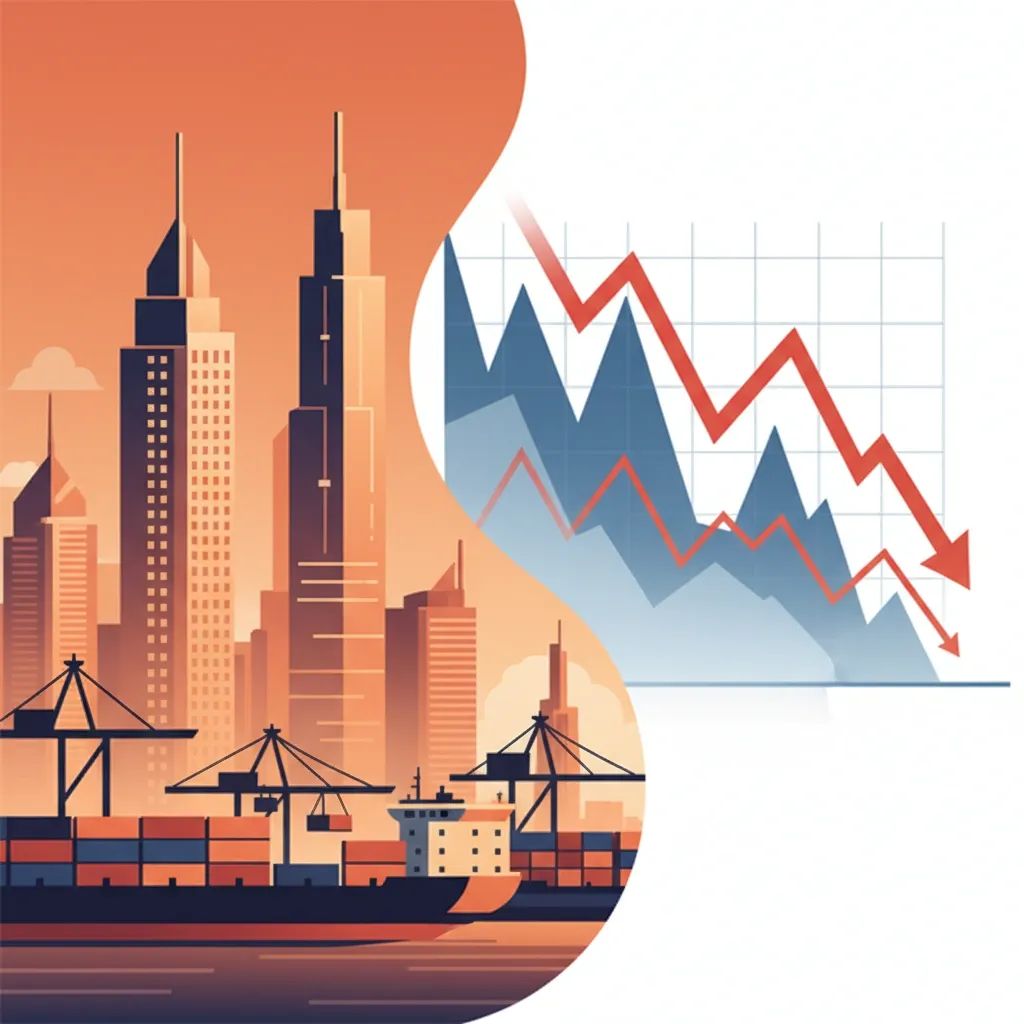
The Strait of Hormuz has effectively closed to commercial traffic, choking off roughly 20% of global oil shipments and forcing major cargo reroutes that are already affecting UAE residents and businesses. Iranian missile strikes have hit infrastructure across the region, while Fitch Ratings warns that prolonged hostilities could trigger sovereign credit rating downgrades with serious economic consequences for the Gulf.
Why This Matters for UAE Residents:
The conflict, which erupted on February 28 with coordinated airstrikes on Iranian military and nuclear facilities, has immediately disrupted daily life in the Emirates. Air travel remains suspended, consumer spending is slowing as residents adopt a cautious stance, and tourism bookings have evaporated. The reported killing of Iran's Supreme Leader during the initial strikes has injected extreme uncertainty into the regional calculus, with analysts warning that the political vacuum in Tehran could either accelerate regime collapse or trigger even more desperate retaliation.
Iran's counterstrike deployed hundreds of drones and ballistic missiles across the Persian Gulf, hitting U.S. and British military installations and civilian targets. The Iranian Red Crescent Society has reported at least 787 deaths inside Iran, while Gulf states have documented casualties and damage to residential buildings, airports, and schools.
Immediate Economic Squeeze
For UAE residents, the impact is already visible in higher fuel costs and supply chain delays. Shipping costs have spiked as war-risk premiums climb, driving up prices on essential imports—electronics, food, and construction materials that depend on Gulf transit routes are seeing delayed deliveries and increased expenses. Businesses are reporting working capital strains as inventory lead times extend, and inflation pressures are mounting across the economy.
The closure of the Strait of Hormuz poses the most direct threat to the UAE's economy. This narrow waterway normally handles approximately one-fifth of the world's seaborne petroleum. The UAE's Jebel Ali port in Dubai, the region's largest container hub, has seen cargo volumes plummet as insurers withdraw war-risk coverage and shipping lines divert vessels around Africa—adding weeks to delivery times and raising costs for everything from groceries to building supplies.
What This Means for Jobs and Housing
Fitch Ratings confirmed that Middle Eastern sovereigns currently maintain sufficient financial reserves to absorb a short, contained regional conflict. However, the agency warns that if the conflict extends beyond four weeks, it could rapidly erode that cushion. A prolonged security crisis could prompt an outflow of expatriate professionals from the UAE, putting downward pressure on the Emirates' housing markets and service sectors that have thrived on foreign talent inflows.
For investors, the conflict has triggered a "risk-off" rotation in regional equity markets, with corporate default premiums widening and portfolio flows shifting into safe-haven assets like gold. The longer the hostilities drag on, the greater the risk that sovereign credit rating downgrades could cascade across the GCC, raising borrowing costs for governments and corporates alike.
Qatar and Other Gulf States Face Acute Exposure
Saudi Arabia and the UAE have built pipeline bypass routes and maintain strategic oil reserves stored outside the region, providing modest insulation from a temporary blockade. However, Bahrain, Kuwait, Qatar, and Iraq lack comparable alternatives. For these states, a sustained closure translates into near-total export paralysis, with oil and gas activity potentially collapsing unless shipping routes reopen swiftly.
Qatar—which depends on liquefied natural gas shipments transiting the strait—faces dual exposure. Its Al Udeid Air Base, home to a major U.S. military presence, has been within range of Iranian missile salvos, while its energy export revenue is frozen as long as tanker traffic remains suspended.
How Long This Lasts Matters Most
Fitch's baseline scenario assumes the strait remains effectively impassable for the duration of active combat, with resolution expected within weeks rather than months. If the fighting extends beyond one month, economists forecast Brent crude could surge past $100 per barrel, fueling inflation and tightening global credit markets even further.
Most GCC sovereigns benefit from substantial financial assets and low debt burdens, which provide cushioning against short-term revenue shocks. However, those buffers are finite. A scenario in which the conflict persists for several months, or in which Iran's remaining command structure escalates attacks via proxy militias like Hezbollah in Lebanon, Houthi rebels in Yemen, or armed factions in Iraq, could significantly strain even the region's strongest economies.
Regional Implications
India's economy is also feeling the ripple effects. BMI, a Fitch Group company, estimates that a full Strait closure could reduce India's GDP growth by up to 0.5 percentage points through higher energy import bills—a concern for the UAE's close trade partner and significant expatriate population.
Iraq remains the most fragile sovereign in the immediate conflict zone. The presence of Iran-backed militias on Iraqi soil raises the risk of U.S. military strikes and potential sanctions that could cripple the Iraqi economy. Iraq's oil exports rely on Gulf terminals, leaving the country doubly exposed to both Strait disruptions and internal security breakdowns.
What Comes Next
The United Nations Secretary-General has called for immediate de-escalation, warning of grave consequences for regional stability. European nations are exploring defensive measures, and several Gulf states—having absorbed direct hits from Iranian missiles—have publicly condemned the attacks and reaffirmed their right to self-defense.
For UAE residents and businesses, the next few weeks are critical. If hostilities wind down quickly, economic disruptions should remain temporary. But if the conflict persists, borrowing costs will rise significantly for both government and businesses, housing demand may soften as expatriate confidence wavers, and the cost of living could remain elevated for months. The MENA region entered 2026 on solid economic footing, but those assumptions are now being stress-tested in real time.


