
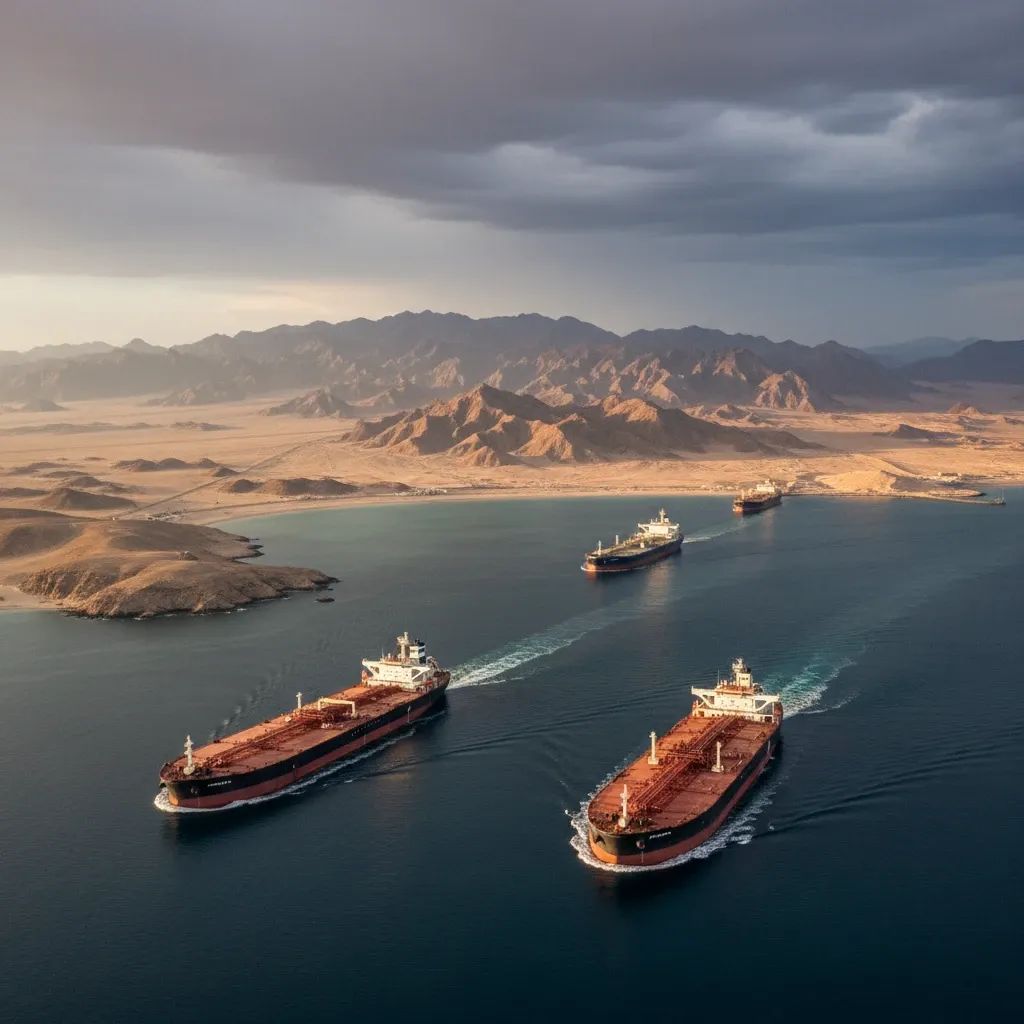
The Islamic Republic of Iran has again ruled out any limits on its ballistic missiles, a stance that Gulf diplomats warn could raise the security premium on every barrel of crude shipped through the Strait of Hormuz.
Why This Matters
• Higher shipping insurance: Underwriters already price in a “Gulf risk surcharge”; fresh tension could nudge rates up within weeks.
• Possible fuel-price ripple: Even a brief scare in Hormuz typically adds $2–$3 to Brent—felt immediately at UAE petrol pumps.
• Diplomacy window still open: Oman-hosted nuclear talks resume next month; Abu Dhabi’s quiet shuttle diplomacy gives the UAE leverage.
• Travel advisory watch: Residents with plans for Iran, Iraq or Lebanon should monitor updates from the United Arab Emirates Ministry of Foreign Affairs.
A Celebration Turned Show of Force
Mass rallies marking the 45th anniversary of Iran’s 1979 revolution filled Tehran’s streets with anti-American and anti-Israeli banners. Giant screens looped footage of the Khorramshahr-4 missile while crowds chanted slogans. President Ebrahim Raisi framed the spectacle as proof that “outsiders are not welcome” in Middle-East problem-solving. The message was aimed squarely at Washington, which has floated widening nuclear talks to cover missiles.
The Missile “Red Line” Explained
Foreign Minister Abbas Araghchi called the arsenal “non-negotiable”, echoing Supreme Leader adviser Ali Shamkhani. Western intelligence counts roughly 2,000 operational Iranian missiles, many capable of reaching Israel or U.S. bases in the Gulf. Solid-fuel upgrades and hypersonic prototypes such as Fattah-2 shorten launch times and complicate interception. For Iran, the program is both deterrent and domestic political currency; abandoning it would cut against decades of revolutionary narrative.
Quiet Gulf Shuttle Diplomacy
While rhetoric dominated headlines, behind the scenes Gulf capitals worked the phones. The United Arab Emirates Minister of State Lana Nusseibeh met Iranian counterparts last week, pressing for a hotline to de-conflict naval movements. Omani Foreign Minister Sayyid Badr bin Hamad Al Busaidi continues to host back-channel nuclear discussions, described by one Gulf official as “constructive but inch-by-inch.” Saudi Arabia, fresh from its own détente with Tehran, sent congratulations yet reiterated the need for “regional security guarantees.”
What This Means for Residents
• Energy bills: Any spike in Brent flows quickly into utility-rate fuel surcharges and air-ticket prices. Keep an eye on monthly Fuel Price Committee announcements.
• Investment portfolios: UAE funds with exposure to shipping, insurance or petrochemicals could see short-term volatility. Diversification into non-energy assets may cushion shocks.
• Holiday planning: The UAE Ministry of Foreign Affairs has not escalated its Iran travel advisory, but insurers may impose higher excess on policies covering trips to conflict-prone zones.
• Business logistics: Importers relying on Jebel Ali free zone should review contingency routing via the Red Sea in case insurers reroute vessels away from Hormuz.
Washington and Tel-Aviv Coordinate
Over in Washington, US President Joe Biden and Israeli Prime Minister Benjamin Netanyahu have met several times this year. Israel urged the U.S. to hard-wire missile limits into any future deal. American officials hinted at “snapback sanctions” if Iran continues to reject the missile track—a move that could re-target UAE-based firms accused of facilitating dual-use trade.
Outlook: Escalation or Bargain?
Regional analysts in Abu Dhabi believe Tehran’s hard line is partly theatre: officials might discuss missiles later—after bank unfreezing or oil-export sweeteners. Yet each anniversary rally locks Iran further into its public promise never to compromise. For Gulf residents, the takeaway is pragmatic: expect occasional market tremors, but also expect the UAE’s diplomatic corps to keep pushing for a narrow nuclear-only accord that shields regional trade flows.
Dates to Watch
Early-March: Next round of Oman-mediated nuclear talks.
April 1: Expiry of several U.S. sanctions waivers on Iranian oil imports by Asian buyers.
Mid-May: Annual U.S. defense posture hearing—frequently a cue for carrier deployments to the Gulf.
For now, every dhow, tanker and jet crossing the UAE’s airspace is moving under an invisible equation: Iran’s missile “red line” versus the Gulf’s appetite for calm commerce. The balance, as always, can tilt on a single headline.


