
Why This Weekend Will Feel Hotter Than The Thermometer Says
Humidity is about to impact the United Arab Emirates this weekend in ways that raw temperature readings cannot capture. While Saturday and Sunday will bring predictable mid-June heat, overnight moisture levels surging to 90% in Abu Dhabi's coastal zones will combine with stagnant air to create conditions that feel 10 to 15°C hotter than official forecasts. For residents and workers, this distinction matters—the difference between uncomfortable and genuinely uncomfortable.
Why This Matters
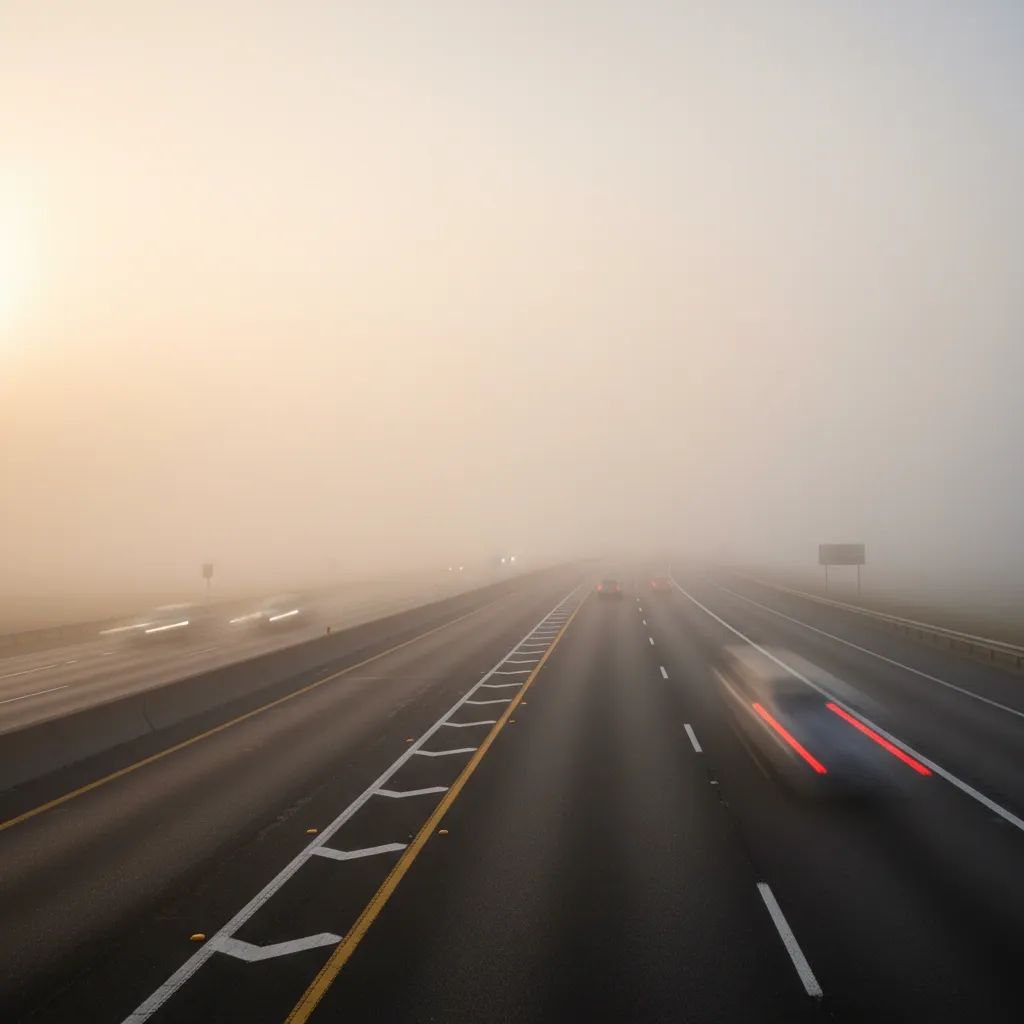
• Fog hazard window: Reduced road visibility will peak between late Saturday night and Sunday morning, with particular risk on the E11 coastal highway and routes serving inland industrial zones.
• Real-feel temperatures: A forecast high of 40°C in Dubai will register as 50°C or higher when accounting for humidity and the body's reduced ability to cool through sweat evaporation.
• Overnight heat lock: Minimum temperatures will stay between 29°C to 31°C, preventing adequate physical recovery across multiple days.
• Sea conditions: Waters remain calm through Sunday but will deteriorate to rough conditions from Monday evening, affecting maritime workers and leisure plans.
The Visibility Crisis: When Fog Becomes A Safety Issue
The United Arab Emirates National Centre of Meteorology has advised motorists to prepare for degraded visibility during the critical commute window of Sunday dawn. Between midnight Saturday and 9 AM Sunday, a collision of warm Gulf air with cooler night-time temperatures will generate mist and fog in coastal sectors and scattered inland valleys.
This is a practical safety concern. Horizontal visibility may drop to 200 meters or less on segments of the E11 between Dubai and Abu Dhabi, and on routes threading through Al Ain toward the mountains. The phenomenon occurs when southwesterly winds push moisture-laden air inland; the moisture then condenses as surface temperatures fall just before dawn.
Commuters should activate headlights, reduce speed by at least 20% below posted limits, and increase following distance from other vehicles. The United Arab Emirates traffic authorities have documented that fog-related accidents increase during this period each year, with highway collisions representing the bulk of weather-related incidents during early summer. Delivery drivers, construction crews heading to pre-dawn job sites, and anyone with an early Sunday appointment should depart earlier than usual or delay travel until after 9 AM, when fog typically disperses.
The NCM's Early Warning System will push real-time alerts via SMS and mobile applications as fog develops; residents should enable notifications and check the NCM app or official UAE weather portal before any early journey.
How Heat Plus Moisture Affects Your Body
Saturday's forecast of 40°C in Dubai and 42°C in Abu Dhabi would be manageable in a dry climate. But when that air carries 85% to 90% relative humidity, conditions change significantly.
The human body cools itself by sweating and allowing that sweat to evaporate on the skin. Evaporation draws heat away from the body's surface. When humidity saturates the air, evaporation becomes impossible. Sweat sits on the skin, providing no cooling benefit. Meanwhile, the core temperature climbs. What should be a manageable 40°C becomes a perceived 50°C to 55°C—territory that triggers heat exhaustion within minutes for vulnerable groups.
The United Arab Emirates Ministry of Health and Prevention has documented that June humidity spikes correlate with increased emergency room visits for heat-related illness. Children, the elderly, individuals with asthma or heart disease, and outdoor workers constitute the highest-risk groups. Symptoms of heat exhaustion include severe thirst, dizziness, nausea, headache, and rapid heart rate.
For outdoor workers, practical precautions are essential. The United Arab Emirates Ministry of Human Resources and Emiratisation enforces the mandatory midday work ban, which prohibits outdoor labor under direct sunlight between 12:30 PM and 3:00 PM during summer months. However, early mornings and late afternoons still carry risk when combined with high humidity. Workers should remain hydrated, take frequent breaks in shade, and recognize that even "approved" work windows demand heightened caution on humid days.
Temperature Breakdown: Geography Determines Your Heat
The United Arab Emirates spans diverse landscapes, and geography determines heat intensity. Inland desert zones concentrate more extreme conditions. Al Ain will peak at 45°C, with Liwa forecast at 43°C and the Sweihan area approaching 46°C. These zones lack the moderating influence of the Persian Gulf, and reflected heat from sandy terrain amplifies the sensation.
Coastal cities benefit from the Gulf's thermal mass. Dubai will peak at 40°C, Abu Dhabi and Sharjah at 42°C, and Fujairah, sheltered by the Hajar Mountains, will register 37°C. The difference translates to meaningfully lower risk for heat illness.
Night-time temperatures offer minimal relief. Dubai's overnight low is around 30°C, Abu Dhabi at 29°C, and Al Ain at 31°C. These minimums are elevated; the body requires cooler night-time conditions to shed accumulated daytime heat. When night temperatures remain high, heat compounds across consecutive days.
Planning Around The Heat: What Residents Should Do Now
For most people living in the United Arab Emirates, surviving this weekend comes down to strategic scheduling. The safe window for outdoor activity is before 9 AM or after 6 PM. Any exposure between 10 AM and 4 PM carries unnecessary risk, particularly with elevated humidity.
If you must venture outdoors during daylight hours, dress in loose-fitting, light-colored cotton or moisture-wicking fabrics that permit sweat evaporation. Wear a wide-brimmed hat and UV-protective sunglasses. Apply broad-spectrum sunscreen rated SPF 50 or higher, reapplying every two hours if swimming. The UV index will register 10 to 12 (extreme category) from 8 AM onward.
Hydration is essential. Drink water consistently throughout the day, not just when thirsty. Thirst is a delayed indicator of dehydration. Electrolyte supplements help replenish sodium and potassium lost through sweating.
Parents should keep children indoors during peak daylight hours. Children's bodies heat up faster than adult bodies. The prohibition on leaving children unattended in parked vehicles is documented law—interior temperatures can soar to 70°C within minutes. Similarly, pets must have constant access to shade and water.
Those with chronic conditions—asthma, diabetes, heart disease, hypertension—should consult healthcare providers regarding heat precautions. Some medications can affect the body's ability to cool itself.
The Coastal Exception: When The Beach Becomes The Best Option
The National Centre of Meteorology forecasts slight sea conditions through Sunday, with wave heights between 2 and 3 feet. This makes Saturday evening and Sunday morning ideal for coastal visits—a window of comfort unavailable inland.
Plan a beach outing after 5 PM Saturday or before 9 AM Sunday. Bring plenty of drinking water and apply sunscreen regardless of swimming plans.
Monday evening brings a shift: the Arabian Gulf is forecast to transition to rough conditions as stronger winds develop. Water-sports operators and maritime workers should adjust schedules accordingly.
Your Practical Checklist For The Weekend
Stock your vehicle with bottled water, electrolyte sachets, and a basic first-aid kit. Enable weather alerts on your phone. If you drive early Sunday morning, activate headlights and reduce speed. Keep children and pets indoors during daylight hours. Hydrate continuously. Plan outdoor activity for early morning or evening only. Wear light, loose clothing and sun protection. Monitor the NCM app for real-time fog and visibility updates.
Treat this weekend's conditions seriously by following these straightforward precautions.


