
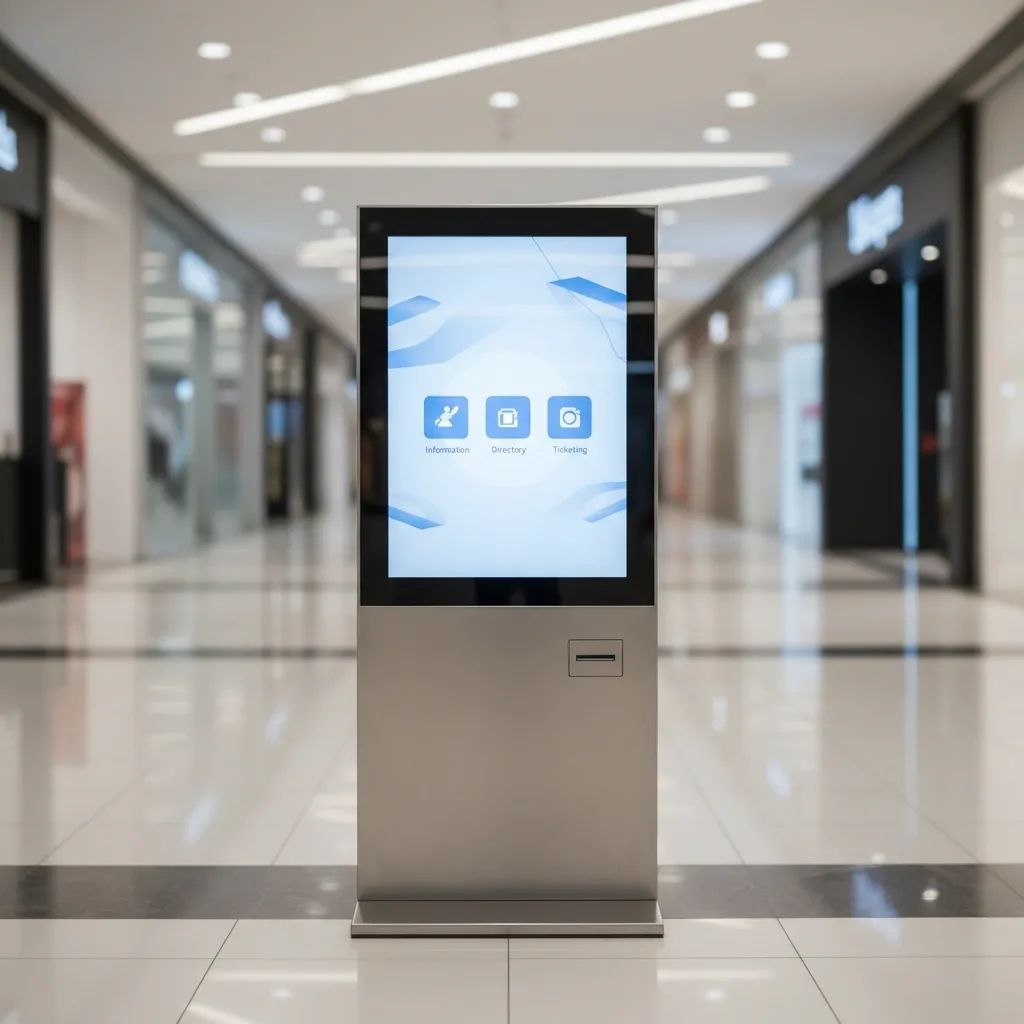
The End of the Police Station Queue
Dubai's 33 Smart Police Stations now handle the majority of police transactions without a single officer on-site—a shift that transforms how residents, expatriates, and visitors interact with law enforcement across the emirate. The network operates continuously, meaning someone can file a criminal report, obtain a traffic certificate, or renew a required permit at 3 a.m. or 3 p.m., entirely through their phone or a nearby kiosk.
Why This Matters
• Instant Criminal Reporting: File serious reports via live video call with multilingual officers, available 24/7 without scheduling limitations.
• Zero Queues, 24/7 Access: Obtain certificates, permits, and clearances without coordinating around office hours—critical for business events, emergency documentation, or routine administrative needs in the United Arab Emirates.
• Fully Digital Operations: The network processes 32 distinct services without any on-site personnel, handling nearly 90% of police interactions digitally.
How the System Actually Works
When the original Smart Police Stations network launched in 2017, few anticipated it would reshape policing infrastructure this dramatically. The network now encompasses 33 physical locations scattered across Dubai—some embedded in shopping malls, others as standalone drive-thru facilities, and several as suburban outposts designed to eliminate geographic barriers. The architecture reflects Dubai's reality: over 80% of residents are expatriates, and the interface responds to that diversity through translations in Arabic, English, Urdu, Tagalog, and multiple other languages.
The stations organize services into four functional categories. Criminal reporting covers everything from bounced cheque cases to cybercrime incidents—and here sits the most significant innovation. Rather than filling forms at a kiosk, residents initiate a live video connection with an investigating officer fluent in multiple languages. The officer walks the person through their statement, answers clarifying questions in real time, and directs them to sign electronically. This approach eliminates traditional friction: no scheduling around police station hours, no language barriers forcing reliance on translators, no anxiety sitting in unfamiliar surroundings describing sensitive incidents.
Traffic and accident services handle clearance certificates, status inquiries, and fine payments instantly. Administrative documentation—criminal status certificates, loss certificates, permits for road closures, sailing authorizations, corpse entry permits—processes through the same automated system. Community engagement services like the Police Eye civic platform and Police Museum bookings round out the offerings.
The Numbers Behind the Transformation
The trajectory reveals genuine adoption rooted in practical utility. Between 2017 and September 2022, the stations welcomed 2.07 million visitors and processed 363,189 transactions without requiring anyone to interact with police personnel. The momentum accelerated rather than leveled off. During 2023, the network processed 121,986 smart transactions—a 13% increase from 2022. In just the first half of 2023, 65,942 transactions moved through the system, including 16,205 criminal reports and nearly 5,000 criminal-related inquiries.
These figures translate into operational realities. Digital transactions now represent 89.6% of all police service interactions across Dubai. The system operates with 100% digital, paperless workflows, demonstrating the emirate's commitment to streamlined, efficient public service delivery.
What This Means for Residents
For anyone navigating life in Dubai, the practical implications reshape daily routines. Consider a business owner discovering a bounced cheque at midnight before a crucial meeting. Rather than waiting until 8 a.m., battling traffic, and losing an hour in queues, they access the nearest Smart Police Station via their phone from bed, file the report through a video call with a multilingual officer, and receive an electronic statement within minutes.
For residents requiring official documentation in the United Arab Emirates—traffic clearance, criminal status certificates, or permits for events and logistics operations—the benefit is immediate. Expatriates obtain certificates instantly without coordinating work absences or sacrificing weekends to police headquarters. Business operators bypass traditional approval chains entirely. Tourists reporting theft or lost passports interact with personnel who speak their language, reducing confusion and anxiety typical of foreign bureaucratic encounters.
The volume of criminal reports filed through video-link tells its own story. Over 16,000 reports in six months of 2023 suggests residents trust the system for serious matters—not merely administrative tasks. The network has eliminated a significant friction point in how the United Arab Emirates delivers public safety infrastructure to communities accustomed to convenience.
Dubai's Model Stands Apart Regionally
The Middle East is experimenting with smart policing in different forms, but Dubai's approach of operating 32 distinct services without any on-site personnel remains architecturally distinctive. The system handles nearly 90% of police interactions digitally, creating operational efficiency while maintaining service quality.
This decentralization creates a significant benefit: officers freed from administrative duties concentrate on investigation and patrol activities, allowing departments to allocate resources more effectively toward core public safety functions.
Why the System Succeeds
Residents interacting with Dubai's Smart Police Stations experience service accessibility that conventional police infrastructure cannot match. The ability to file reports, obtain certificates, and process permits at any hour—without language barriers, scheduling constraints, or extended wait times—represents a fundamental shift in how citizens access police services.
The network demonstrates that automation and citizen satisfaction reinforce rather than contradict each other. By removing administrative friction, the system allows law enforcement to focus on investigation and community protection while residents benefit from genuine 24/7 access.
The Road Ahead
For residents, expatriates, and businesses operating in Dubai, the trajectory is evident: police services increasingly meet you where you are—linguistically, temporally, and physically. The days of coordinating schedules around police station hours are receding into the past. The Smart Police Station network has matured from novelty to backbone infrastructure, processing more than 100,000 transactions annually and demonstrating that efficiency and service quality can coexist.
With the system processing hundreds of thousands of transactions annually and delivering consistent improvements in service accessibility, Dubai's approach has established a model of policing infrastructure that prioritizes citizen convenience without compromising investigation effectiveness. For residents across the emirate, this transformation represents a tangible improvement in their daily interaction with government services.


