
Art Dubai pushes into May, signaling a deliberate recalibration of how Gulf cultural institutions now operate in a volatile climate. The fair's decision to relocate from April to May 14–17 at Madinat Jumeirah represents more than scheduling convenience—it reflects a transparent acknowledgment that the region's event infrastructure must adapt to unpredictable geopolitical realities.
Why This Matters
• Timing shift: Art Dubai 2026 now runs May 14–17 instead of mid-April, buying organizers time to assess travel and participation realities.
• Commission-based gallery economics: Dealers pay a percentage of sales rather than upfront booth fees, reallocating financial risk to the fair.
• Remote participation options: International galleries can ship work to Dubai with organizational logistics support, removing the requirement to send personnel.
• Broader calendar ripple effect: The Arabian Travel Market moved from May to August; Megacampus Summit shifted from March to September across the United Arab Emirates events sector.
The Practical Consequence for Residents
For anyone living in the United Arab Emirates who engages with contemporary art—whether as a collector, curator, or cultural institution—this pivot has concrete implications. The restructured fair means tighter curatorial selection and potentially fewer international booths, which translates to more curated encounters and deeper dealer conversations rather than scale-driven browsing. Residents invested in acquiring work from African, South Asian, or Latin American artists will notice Art Dubai's dealer relationships—built over two decades—remain intact, though the fair's capacity to filter and present new work will necessarily narrow.
The shift also creates practical calendar space for local planning. Institutions and private collections now have an additional month to coordinate acquisitions strategies, arrange conservation assessments, and prepare installations around May programming rather than rushing through April logistics.
Why the Date Changed: Geopolitical Context
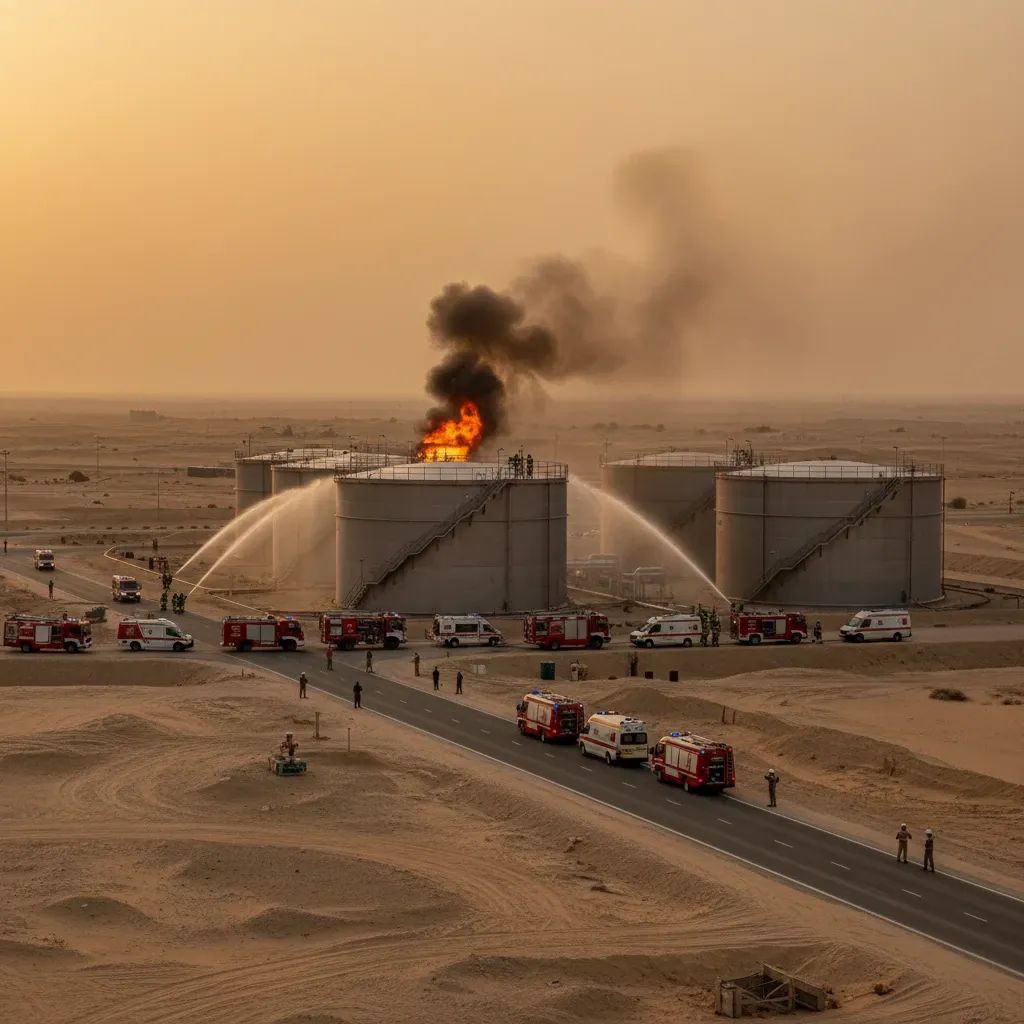
The decision emerged after the United Arab Emirates experienced Iranian missile and drone strikes in early March 2026, which prompted temporary closures of cultural venues across Dubai, Qatar, and Bahrain. While the immediate danger subsided within days, the episode revealed operational challenges that prompted event organizers across the region to reassess their scheduling.
Across the region, event organizers faced compounding challenges: airspace disruptions, elevated insurance premiums for art shipments, and reduced willingness by mid-sized international galleries to absorb fixed booth costs on top of unpredictable logistics. The Arabian Travel Market, historically held in May, shifted to August. The Megacampus Summit moved from March to September. These changes represent the United Arab Emirates events sector collectively signaling that spring 2026 carried operational uncertainty.
The Economics Shift: Who Bears the Risk Now
Art Dubai's transition from guaranteed upfront booth revenue to a commission-on-sales model is the fair's most visible adaptation. Galleries now pay a percentage of sales capped at traditional stand fees. A gallery that sells nothing owes nothing—a reversal of traditional art fair financing where participation fees remain fixed regardless of commercial outcome.
Benedetta Ghione, executive director of the Art Dubai Group, framed this pragmatically: the fair recognizes that international participation cannot be assumed the way it was prior to 2026. By offering commission-based pricing, the organization absors financial risk that would otherwise discourage dealer participation.
The arrangement also includes logistical innovation. Galleries hesitant to send personnel can ship inventory to Dubai, where the fair coordinates storage, display, and onsite sales engagement. This hybrid model acknowledges a reality rarely stated publicly: international confidence in the region has become conditional rather than reflexive. The fair is essentially offering dealers multiple risk tiers—attend in person if comfortable, ship work remotely, or defer participation.
For the United Arab Emirates itself, this flexibility is double-edged. It demonstrates institutional responsiveness to legitimate operational constraints. It also signals to collectors and stakeholders that attendance carries friction the fair cannot eliminate—only minimize.
What the New Director Brings
Dunja Gottweis, who arrived as director in January 2025 from Art Basel's Global Head of Gallery Relations position, has brought a curatorial framework to Art Dubai. Initial plans for the 2026 fair included more than 100 presentations from over 35 countries, spanning contemporary, modern and digital art, alongside curated sections such as Bawwaba and Art Dubai Digital.
The May edition will operate under a revised format, which organizers describe as a "cultural gathering" emphasizing presentations, collaborations, and public programming. Format details are to be announced in the coming weeks by Art Dubai organizers.
For collectors and institutions based in the United Arab Emirates, the reconfiguration may provide advantages. Fewer booths could mean more direct access to gallerists and extended time for acquisition conversations. For regional museums and public collections, Art Dubai remains the essential pipeline for acquiring work from geographies where the fair has cultivated unmatched dealer networks across two decades.
Year-Round Presence and Institutional Anchoring
Art Dubai has spent recent years extending its influence beyond a single annual week. Dubai Collection Nights, organized in partnership with the Dubai Art and Culture Authority, operates throughout the year. Institutional partnerships with museums, private collections, and dealer galleries create consistent programming outside official fair dates.
This network now faces a test. If year-round engagement compensates for a recalibrated primary event, the impact may remain contained. For a fair positioning itself as a gateway for emerging geographies, consistency in international participation will be crucial.
What Organizers Say About the Path Forward
The United Arab Emirates government maintains that tourism and cultural operations proceed normally and international confidence endures. Art Dubai's organizers have committed to the May dates and promised additional details on participating galleries and format refinements in the coming weeks.
Art Dubai's pivot to flexible commission-based economics and optional remote participation reflects pragmatic adaptation to current operational realities. Whether May 2026 marks the beginning of Art Dubai's next chapter or a temporary adjustment while the region stabilizes will become clear after the event closes.


