The escalating drone threat to Saudi Arabia's critical oil infrastructure has triggered a decisive shift in Gulf defense strategy, with the Kingdom's air defense systems demonstrating measurable capability against sustained asymmetric attacks—a development with direct implications for United Arab Emirates energy security and regional stability.
Over the past 48 hours, Saudi air defense networks have intercepted multiple unmanned aerial vehicles targeting petroleum facilities in the Eastern Province and the capital. What distinguishes this particular threat cycle is not merely the frequency of attacks, but the coordinated international response that followed and the lessons both Riyadh and Washington are extracting about long-term deterrence in an era of proliferating drone technology.
Why This Matters for Gulf Residents
• Direct oil market impact: Successful strikes on the Eastern Province refining complex or export terminals would likely ripple through global crude pricing, potentially affecting fuel costs across the United Arab Emirates within hours.
• Defense architecture learning curve: Saudi Arabia's interception tactics—combining air defense systems with emerging counter-drone technology—set a practical template that UAE defense planners are actively studying for their own air defense posture.
• Iraqi sovereignty complications: The use of Iraqi territory as a launch platform creates diplomatic friction that could reshape Iraq-Gulf relations, directly affecting UAE trade routes and regional security alignment.
• Preemptive response model: The joint Saudi-US strikes on July 29 signal a willingness to move beyond passive defense—a strategic stance that carries implications for how the broader region may respond to future proxy operations.
The Interception Pattern: What the Numbers Reveal
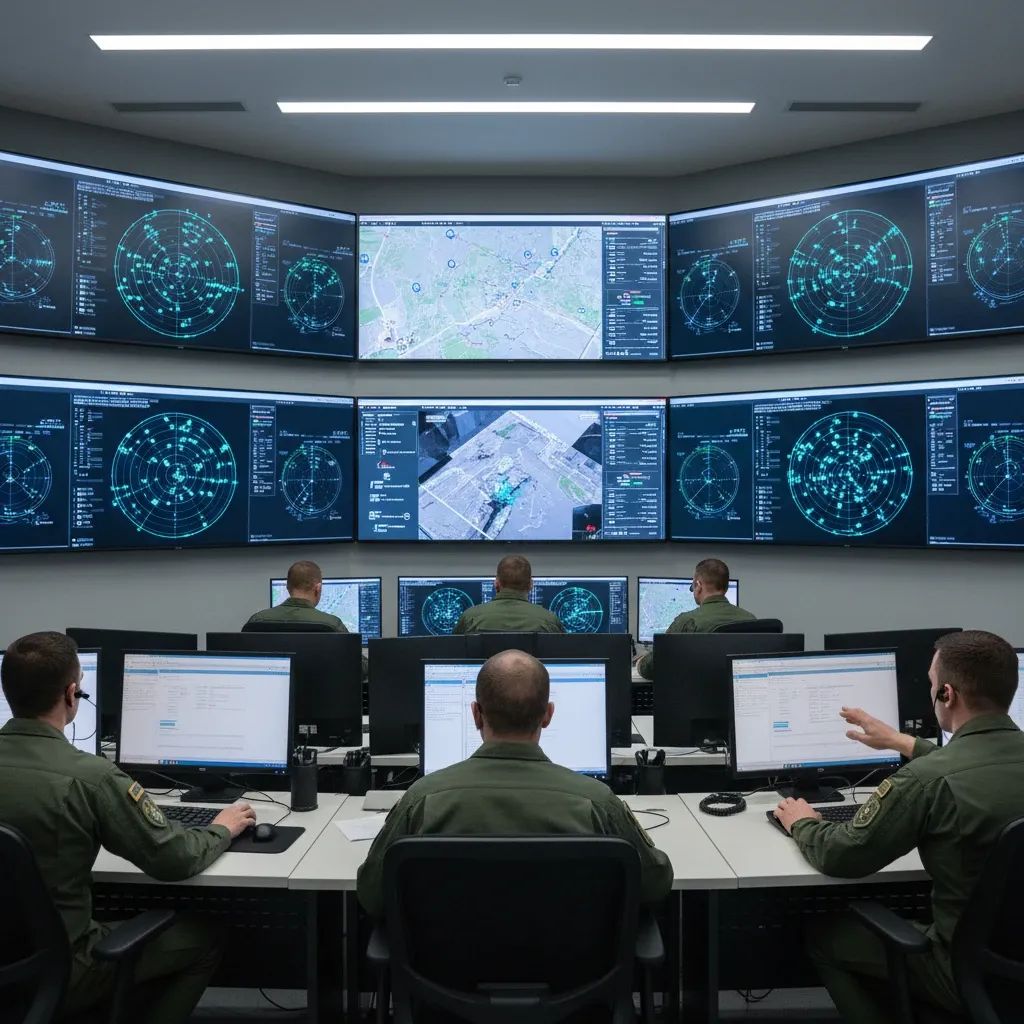
Major General Turki Al-Malki, spokesperson for the Saudi Ministry of Defense, confirmed that air defense units successfully destroyed the incoming drones, marking the latest episode in a campaign that began in earnest in late February. The scale of what Saudi forces have faced becomes clearer when examining the historical record: between early March and mid-April, the Kingdom intercepted hundreds of drones, alongside 86 ballistic missiles and 9 cruise missiles.
More recently, July 28 saw successful interception of multiple attackers targeting the same Eastern Province facilities now under repeated pressure. The consistency of this defensive performance—holding back hundreds of aerial threats across a span of several months—underscores both the sophistication of the Saudi integrated air defense system and the grinding nature of the challenge.
Yet raw numbers mask a more complex reality. While Saudi defenses achieved an 85-90% interception rate against ballistic missiles during the March surge, performance against small, terrain-hugging drones operating at low altitudes has proven variable. Incidents at locations like Ras Tanura—which experienced a damaging strike in early March—and near the United States Embassy in Riyadh demonstrated that coordinated drone attacks and low-altitude approaches can occasionally slip through the defensive systems.
The Cost-Benefit Calculus That Reshapes Defense Strategy
The economic mathematics of air defense have begun forcing strategic adaptation. Firing an advanced missile system, valued at roughly $4 million per unit, against a commercially available drone costing perhaps $20,000 creates an unsustainable equation. Saudi procurement teams have responded by integrating lower-cost layered defenses, including precision targeting systems for small aerial targets and medium-range air defense systems designed to fill critical gaps where expensive long-range interceptors would be wasteful.
This shift reflects a broader evolution in Gulf air defense philosophy. Rather than relying solely on advanced missile systems, regional militaries are now experimenting with multiple defensive layers and rapid-response counter-drone platforms. For the United Arab Emirates—which faces similar aerial threats from multiple quarters—Saudi Arabia's procurement choices are instructive. The Kingdom is essentially field-testing the defensive approach that other Gulf states will likely adopt.
Attribution and the Iraqi Territory Problem
The Saudi Ministry of Defense has consistently attributed these attacks to Iranian-backed militant groups operating from Iraqi territory. This attribution carries weight: intercepted communications, weapons signatures, and operational patterns all point to Iranian coordination through proxy organizations embedded within Iraq's fragmented security landscape.
Between July 27-28, over 30 distinct drone attacks targeted Saudi energy installations and U.S. positions within a concentrated 72-hour window. That volume and coordination signal centralized command authority rather than independent militia actions. Yet attribution, however credible, raises a separate challenge for Baghdad: Iraq's government has limited ability to prevent its territory from being weaponized by groups operating with significant autonomy and Iranian support networks.
Iraqi government officials have been summoned for urgent consultations with Riyadh following the joint Saudi-American response strikes on July 29. That conversation will be delicate. Iraq cannot simply eject militia groups deeply embedded in state security structures, yet continued tolerance of Iranian-backed launch operations threatens to isolate Baghdad from Gulf partners. For the United Arab Emirates, Iraq's diplomatic balancing act directly affects broader regional alignment and the predictability of security arrangements.
The Response: Measured Deterrence or Escalation Signal
On July 29, Saudi Arabian forces, in coordination with United States Central Command (CENTCOM), conducted targeted strikes against positions of Iranian-backed militia organizations in eastern Iraq. The strikes resulted in reported casualties among militant personnel across multiple locations.
Both Riyadh and Washington have publicly characterized these strikes as "limited" and "proportionate," designed explicitly for deterrence rather than initiating broader conflict. That language matters: it signals restraint while simultaneously demonstrating capability and resolve. For actors observing from Tehran or through proxy networks, the message reads as: "We can and will strike back, but we are not seeking comprehensive war."
Yet words and actions can diverge. Moving from purely defensive interception to offensive targeting of launch facilities represents a meaningful shift in posture. The Kingdom is essentially announcing a doctrine shift toward preemptive and retaliatory strikes—a stance that represents an evolution from the reactive defense approach that characterized Saudi responses to earlier attacks.
Multi-Front Threat and the Houthi Variable
Adding complexity to the July narrative, Yemen's Houthi rebels separately claimed to have targeted Saudi oil transportation infrastructure on July 27. Whether these operations occurred in coordination with Iraq-based attacks or represented parallel initiatives remains unclear. The distinction matters strategically: a single orchestrated campaign suggests centralized Iranian command authority and higher escalation risk, while independent parallel actions suggest more distributed threat management.
Intelligence assessments will likely take weeks to clarify, but for UAE policymakers, the ambiguity itself represents a challenge. If regional threats are genuinely coordinated across Iraq, Yemen, and potentially other platforms, the regional security picture grows significantly more complex. If instead they are opportunistic but independent, the threat remains serious but potentially more manageable through conventional deterrence channels.
Energy Markets and the Domino Effect
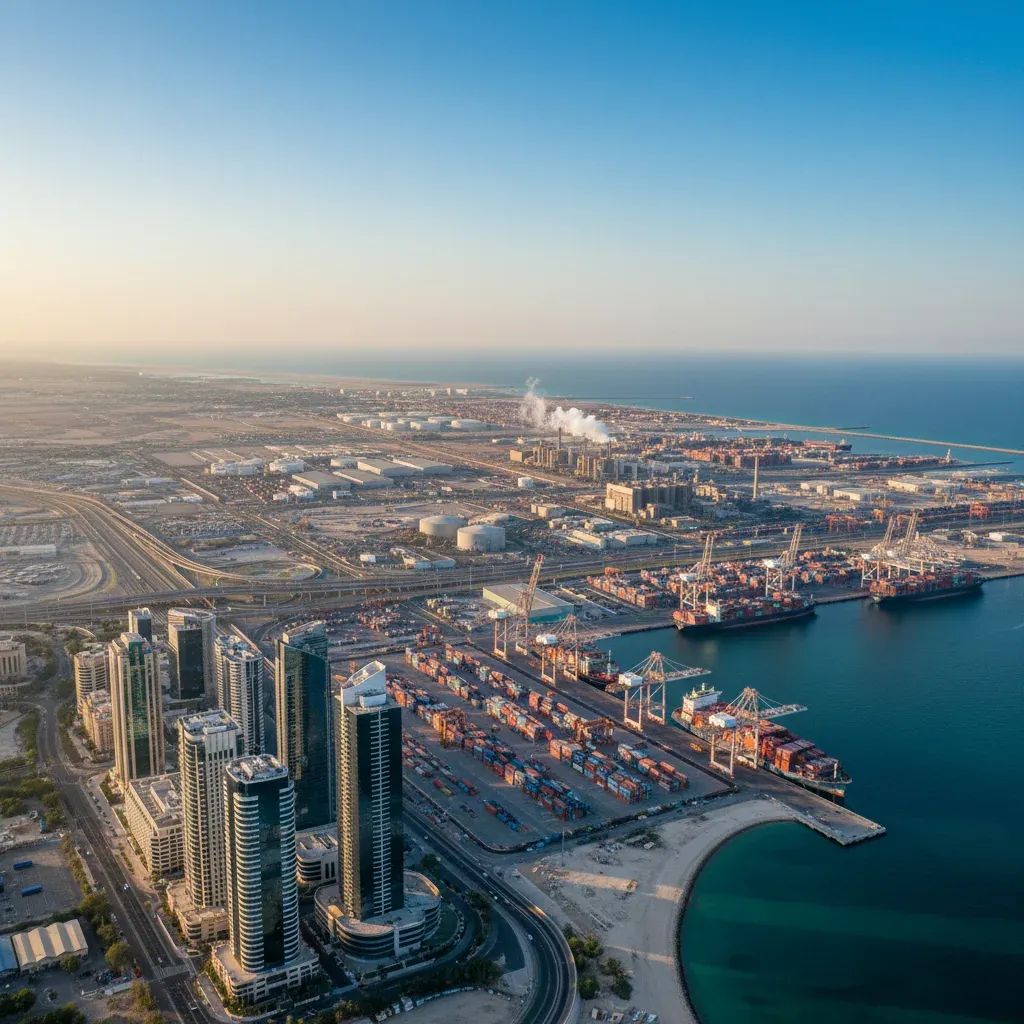
For the United Arab Emirates economy—which maintains deep integration with Saudi energy markets and global crude pricing—successful strikes on Saudi petroleum infrastructure could create significant economic disruption. The Eastern Province houses the massive Ghawar oil field, the Abqaiq processing complex, and critical export terminals responsible for roughly 10 million barrels daily of global supply.
A significant disruption would likely ripple through Dubai's financial markets, could impact Abu Dhabi's energy sector, and could cascade through broader Gulf trading systems. The March incident at Ras Tanura, which caused temporary operational disruption and immediate oil price spikes, provides a template for potential secondary effects. Investors and business planners across the UAE are likely factoring this residual risk into their medium-term projections.
That Saudi defenses have successfully intercepted the overwhelming majority of threats provides measurable reassurance. The pattern suggests that while the threat remains real and persistent, the defensive infrastructure is sufficiently mature to provide effective protection under current attack parameters. Should adversaries introduce new technologies or tactics, that assessment would require recalibration.
What UAE Residents Should Watch For
As these regional developments unfold, residents of the United Arab Emirates should stay informed about several practical considerations:
• Fuel price monitoring: Track energy price movements, particularly during periods of heightened regional tension. Many online financial platforms and local UAE news sources provide real-time fuel price data.
• Security facility updates: Be aware of any temporary adjustments to access or operations at critical infrastructure sites, which may implement enhanced security measures as a precautionary step.
• Regional news sources: Stay informed through trusted local and international news outlets about developments in Saudi-Iran proxy activities and Houthi operations, which directly affect regional stability.
• Business planning: If you work in energy, finance, or trade sectors, factor potential price volatility into quarterly projections and supply chain planning.
Implications for UAE Security Posture
The United Arab Emirates has been systematically strengthening its own air defense capabilities and maintaining close operational coordination with Saudi and American military commands. This institutional alignment reflects a straightforward calculation: threats to one Gulf state often presage threats to others. The pattern observed in recent months—sustained, coordinated drone campaigns—suggests that regional adversaries view the Gulf's energy infrastructure as a unified target set.
For residents and business leaders in the Emirates, the practical implications include continued awareness of energy price volatility, understanding that security adjustments at critical infrastructure may occur, and recognition that Gulf state defense coordination is likely to deepen in coming months. The lessons Saudi Arabia is extracting from months of defensive operations—about layered air defense and the necessity of defensive capability—will inform UAE defense planning for years ahead.
The defensive performance achieved by Saudi forces over recent months offers a functional template: sophisticated integrated air defense systems, when layered with emerging counter-drone capabilities and supported by credible response capacity, can provide effective defense against sustained aerial threats. As drone technology continues proliferating and becomes increasingly accessible to non-state actors, these Gulf-based lessons represent valuable reference data for security planners globally.